August 25, 2026
The hydrogen fuel cell industry crossed a commercial inflection point in 2026. Global fuel cell system shipments are projected to reach 18.7 GW in 2026, up 50.8% from 12.4 GW in 2025 and corresponding to a market of roughly USD 64.2 billion, according to industry research. Fuel cell electric vehicle (FCEV) sales are accelerating — global passenger FCEV sales are forecast at about 48,000 units (+37%), China's 2025 output and sales grew 52.9% and 49.6% respectively and are expected to exceed 10,000 units in 2026, and heavy-duty truck registrations are rising 67% to about 31,000 units. On the cost side, automotive-grade PEM stack prices in Asia-Pacific have fallen to USD 180–220 per kW (down from USD 300–350 in 2020), while system costs are down about 55% from 2020 with stack power density reaching 6.2 kW/L. For manufacturers of hydrogen industry equipment — fuel cell stack assembly lines, MEA hot presses, and bipolar plate production equipment — the takeaway is that stack volume, not demonstration, now drives the market.
Data Point | Value | Source |
Global fuel cell system shipments, 2026 | 18.7 GW (+50.8% vs 12.4 GW in 2025), ~USD 64.2B market | IIM research |
Global passenger FCEV sales, 2026 | ~48,000 units (+37%); China ~12,000 (25% share) | IIM research |
China FCEV output/sales, 2025 | 7,655 / 7,797 units (+52.9% / +49.6%) | CAAM |
China FCEV sales outlook, 2026 | Expected to exceed 10,000 units | CITIC Securities |
Heavy-duty fuel cell truck registrations, 2026 | ~31,000 units (+67%) | IIM research |
China fuel cell vehicle fleet | ~40,000 units (2nd globally); 560 hydrogen stations (1st globally) | CPHA / industry data |
Asia-Pacific PEM stack price, 2026 | USD 180–220/kW (vs USD 300–350/kW in 2020) | IndexBox |
System cost vs 2020 | Down ~55%; stack power density 6.2 kW/L | IIM research |
The 2026 market is defined by the shift from subsidy-driven pilots to volume-driven deployment. Three structural signals:
Heavy-duty dominates. Heavy trucks and buses are now the growth engine — heavy truck registrations +67%, bus fleet above 42,000 units — because hydrogen's energy density, 10–15 minute refueling, and 400–600 km range beat battery-electric on high-mileage logistics routes. A 49-ton fuel cell truck now achieves ~1,000 km range with hydrogen consumption down to ~7.1 kg per 100 km.
China's policy re-baseline. The first demonstration city cluster program ended in 2025; the new comprehensive hydrogen application pilot policy sets a 2030 target of 100,000 FCEVs nationally with hydrogen prices below RMB 25/kg. Ten provinces and four cities have issued hydrogen-highway support policies, with 25+ hydrogen corridors planned or built.
Cost collapse continues. Stack prices in Asia-Pacific fell to USD 180–220/kW, China's 49-ton truck purchase cost dropped to about RMB 1 million, and fuel cell system cost to around RMB 2,000/kW — with system power breaking 300 kW at 60%+ efficiency, 25,000+ hour life, and -40°C cold start.
Korea led global FCEV sales in early 2026 with 2,150 units in January–April (+119% year-on-year), driven by KRW 57.62 billion in purchase subsidies, the new-generation Hyundai NEXO, and 453 hydrogen stations. China held about 40,000 fuel cell vehicles with 560 stations — the world's largest hydrogen refueling network. Japan and the US face headwinds: Japan's subsidy cuts pulled sales down 9.3% in early 2026, and the US market fell to the hundreds after the federal clean vehicle tax credit expired in September 2025 and a February 2026 California hydrogen supply crisis closed over 60% of stations.
The volume inflection has direct consequences for fuel cell manufacturing equipment:
Stack assembly automation — higher volumes demand fuel cell stack assembly lines with precise compression control, high parallelism, and full traceability; manual or semi-manual assembly cannot hold cost or quality at scale.
MEA production — membrane electrode assembly is the highest-value component; precision lamination and CCM production lines determine stack performance and yield.
Bipolar plate lines — automated metal bipolar plate production is essential to drive plate cost down as stack prices compress.
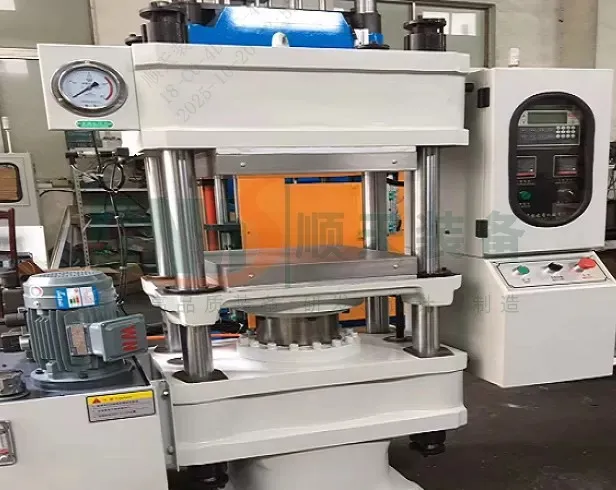
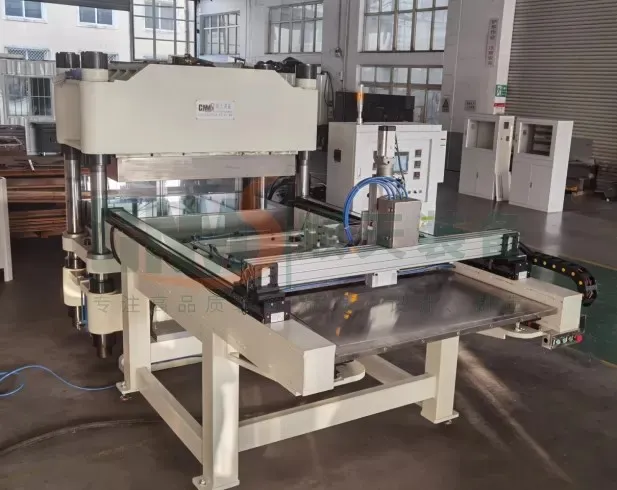
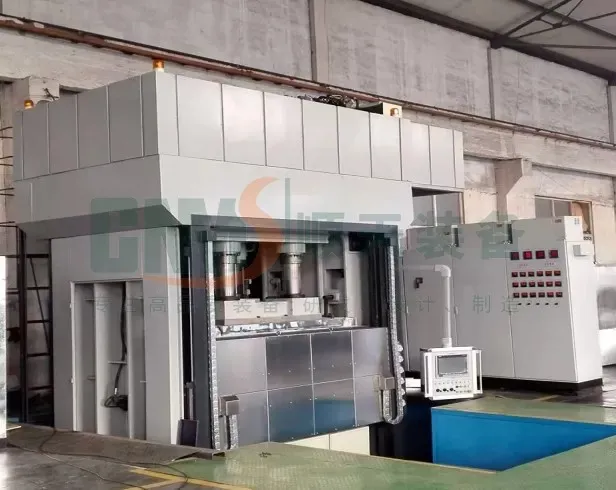
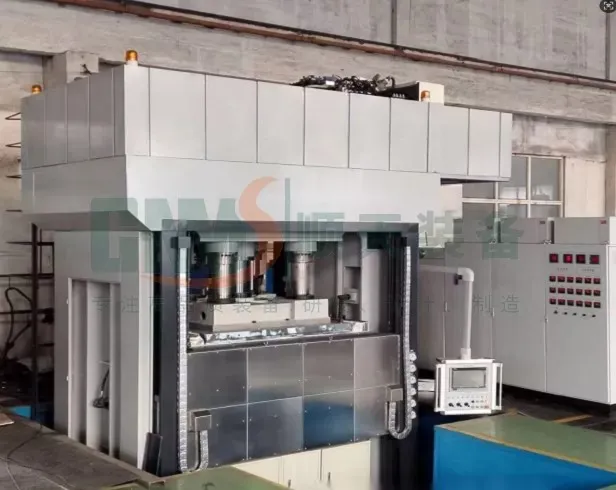
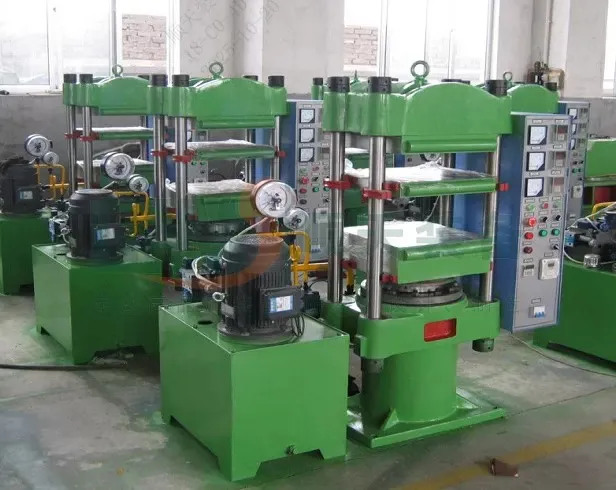
Servo-electric and servo-hydraulic presses — electric servo presses in fuel cell manufacturing deliver the force and displacement precision required for MEA hot pressing and stack compression at production speed.
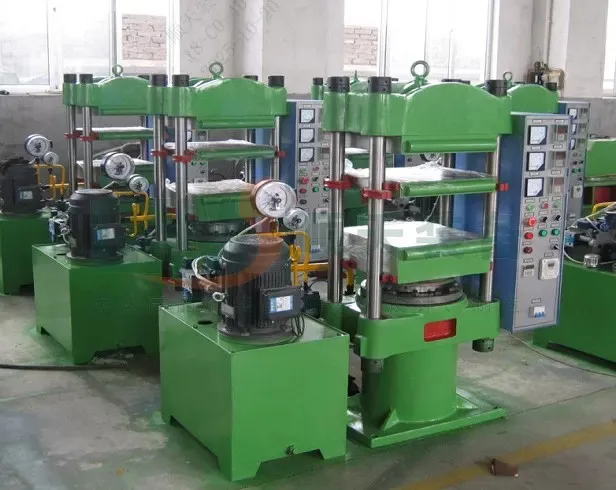
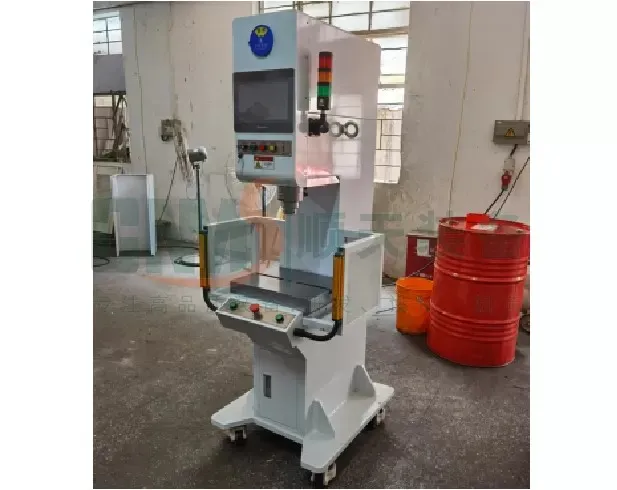
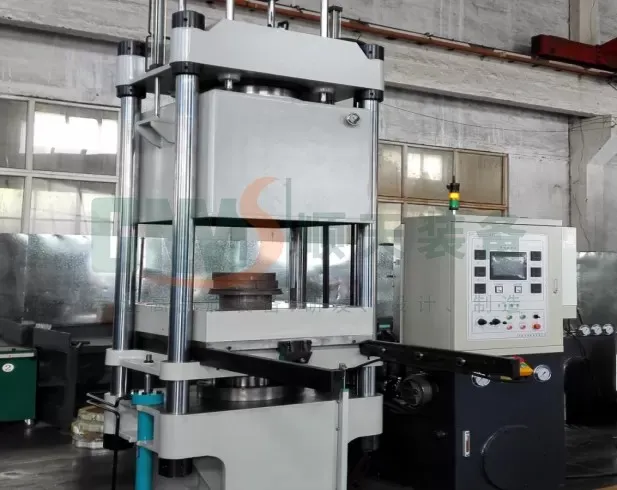
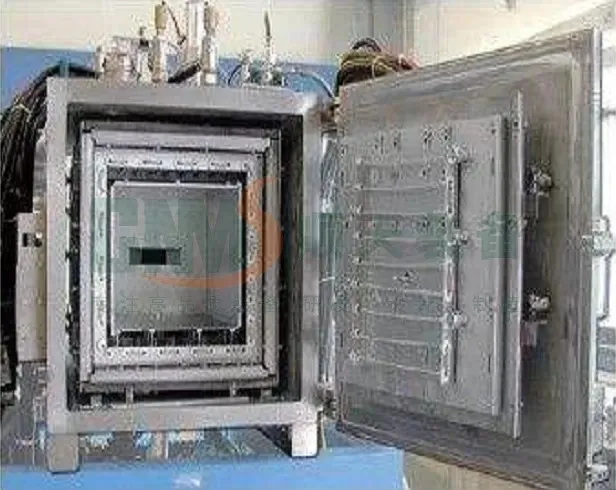
Shuntian's delivered hydrogen fuel cell stack assembly line projects illustrate how equipment suppliers are matching this demand — from single-cell hot melt lines to full stack assembly for both fuel cell and electrolyzer applications.
Size for volume, not pilots — with shipments growing 50%+ annually, production lines should be specified for high-mix or high-volume from the start.
Automate the high-value steps — MEA lamination, bipolar plate stamping, and stack compression are where automation directly converts to cost and quality advantage.
Watch the cost curve — stack prices at USD 180–220/kW mean equipment must deliver yield and uptime, not just capability.
Plan for both fuel cells and electrolyzers — the same stack assembly and MEA equipment families serve both markets, spreading investment across two growing demand pools.
Shuntian Equipment, founded in 2019 and based in the Greater Bay Area hydrogen industry belt, is a national high-tech and "specialized, refined, distinctive, and innovative" enterprise with 70+ patents and more than 30 years of accumulated equipment manufacturing experience in its core team. The company supplies hydrogen industry equipment, energy storage industry equipment, and aerospace precision presses, including hydrogen fuel cell stack assembly lines, PEM/AEM electrolyzer stack assembly presses, MEA hot presses, bipolar plate production lines, and flow battery production equipment, with R&D collaboration with China University of Petroleum and the Guangdong Provincial Key Laboratory of Hydrogen Fuel Cells.
For fuel cell stack assembly line inquiries, contact cwf001@dlcntn.com or rubyzhang@dlcntn.com.
Keywords: hydrogen fuel cell market 2026, fuel cell system shipments, FCEV sales 2026, fuel cell stack price, fuel cell stack assembly line, hydrogen fuel cell manufacturing equipment


 中文
中文