March 05, 2026
As the global energy transition accelerates, fuel cells—central to hydrogen energy utilization—are witnessing explosive market growth. At the heart of a fuel cell stack lies the Membrane Electrode Assembly (MEA), often referred to as the "heart." Within the MEA, the performance of the ionomer membrane (Proton Exchange Membrane) directly dictates the stack's power density and operational lifespan.
A critical challenge in MEA fabrication lies in achieving efficient, uniform, and durable bonding between the catalyst layers and the ionomer membrane. The Fuel Cell Ionomer Membrane Hot Lamination Production Line is purpose-built to address this hurdle. This article explores the line's technological advantages, process workflow, and its pivotal role in advancing fuel cell performance.
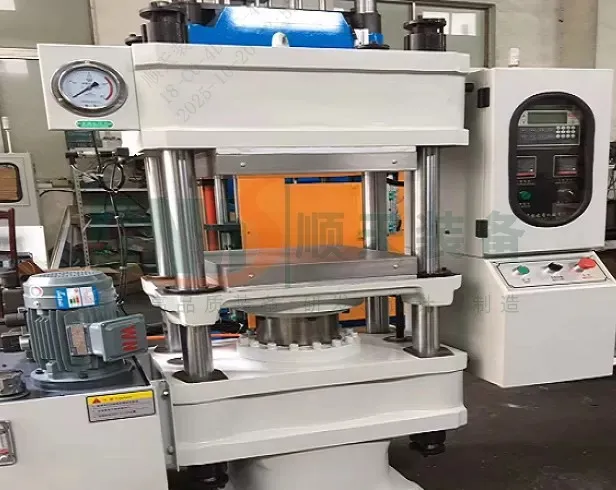
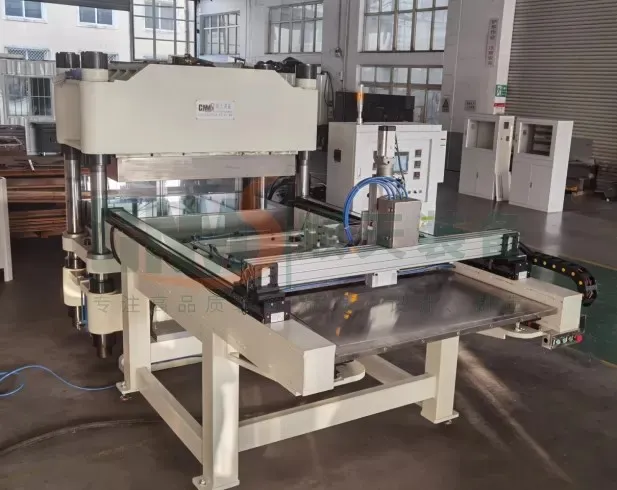
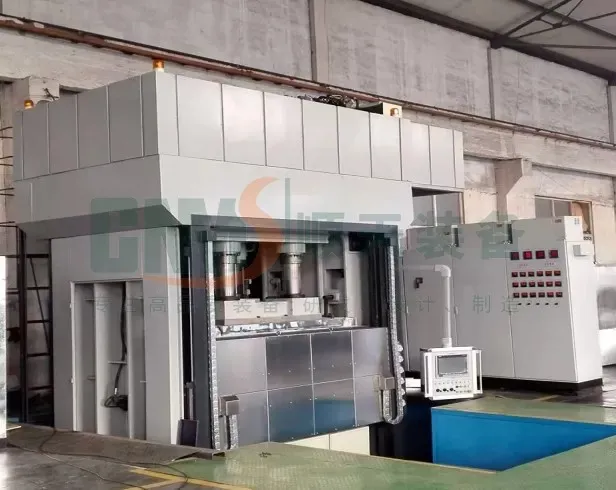
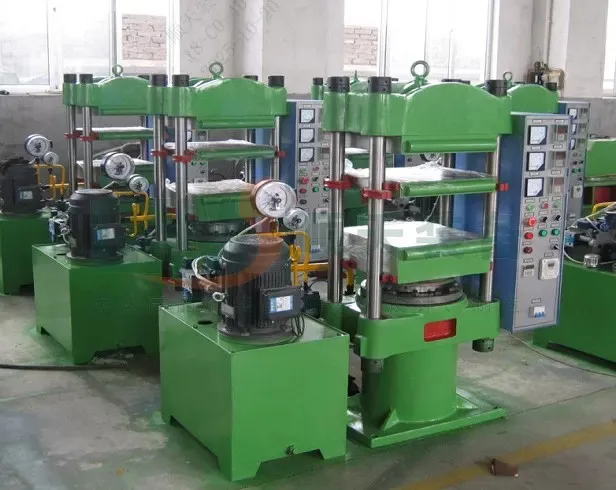
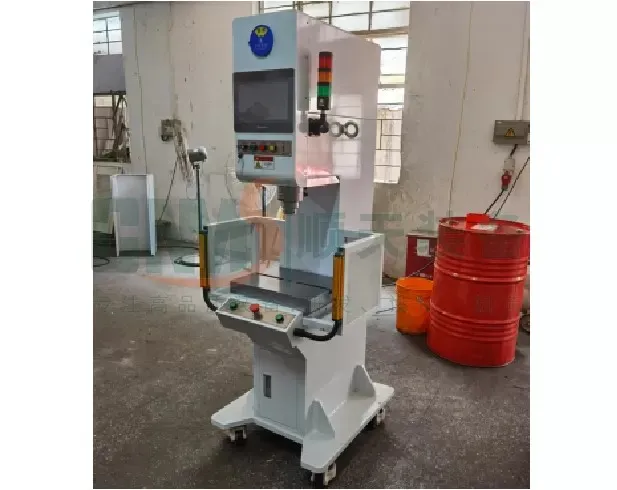
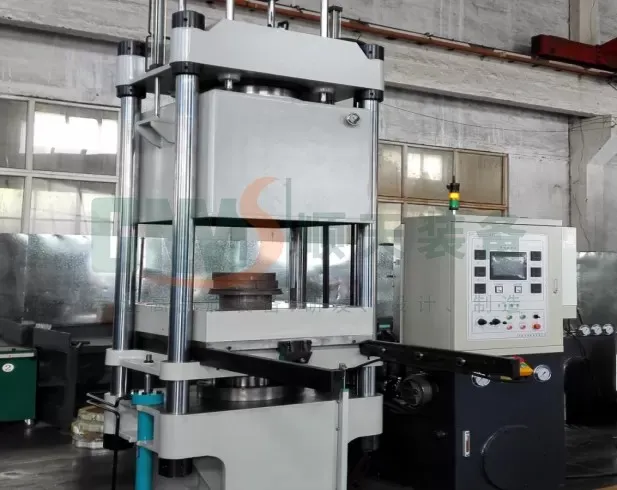
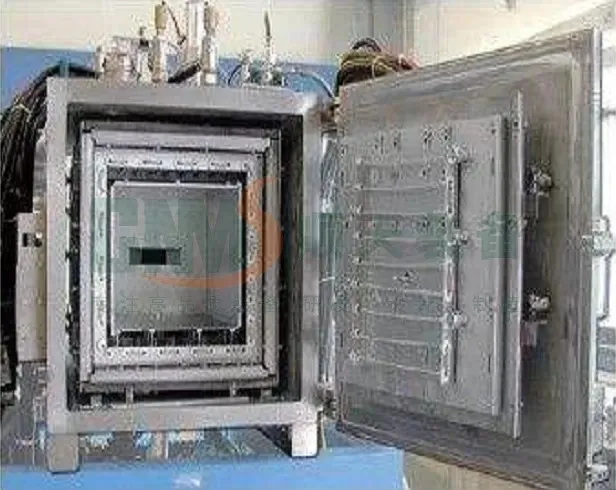
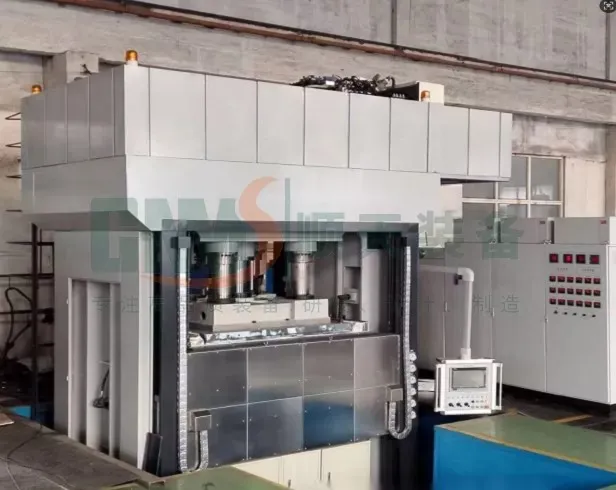
A Fuel Cell Ionomer Membrane Hot Lamination Production Line is a specialized set of equipment used for manufacturing Membrane Electrode Assemblies (MEAs). It primarily bonds the anode catalyst layer, Proton Exchange Membrane (PEM), and cathode catalyst layer together firmly through a hot-pressing process, achieved by precisely controlling temperature, pressure, and tension.
This production line typically integrates functions such as unwinding, precision coating (or transfer), drying, hot-pressing lamination, protective layer bonding, and automatic rewinding. It is the cornerstone for achieving mass production of CCMs (Catalyst Coated Membranes).

A high-performance, stable hot lamination production line typically integrates the following key process modules:
● Precision Tension Control: Fuel cell ionomer membranes are extremely thin (typically 5–20 μm), making them highly susceptible to wrinkling or stretching. Advanced production lines employ closed-loop tension control systems to ensure the membrane remains flat and stable during high-speed transport—a fundamental requirement for minimizing scrap rates.
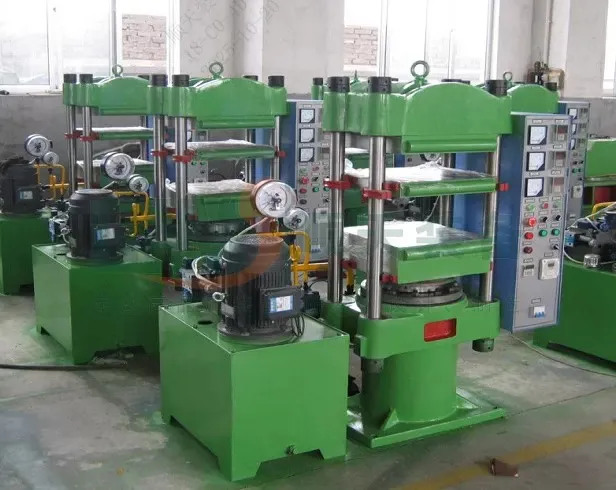
● Hot Lamination Process: Using heated rollers or platen presses, the catalyst layer is bonded—either "embedded" or "adhered"—to the ionomer membrane surface under precisely controlled temperature (carefully managed to prevent membrane dehydration or thermal degradation) and pressure. The uniformity of the hot lamination directly impacts proton conduction efficiency and internal resistance.
● Inline Defect Inspection: Equipped with high-precision vision inspection systems, the line enables real-time monitoring of the laminated CCM surface for defects such as coating voids, pinholes, or scratches, ensuring full traceability of quality data.
1. Application Scenarios:
●Proton Exchange Membrane Fuel Cells (PEMFC): Used in the production of MEAs for passenger vehicles, commercial vehicles, and stationary power stations.
●Direct Methanol Fuel Cells (DMFC): Applied in the fabrication of MEAs for compact portable power sources.
●PEM Water Electrolysis (PEMWE): Utilized in manufacturing key components for proton exchange membrane electrolyzers.
2. Selection Guidance:
When selecting a fuel cell ionomer membrane hot lamination production line, manufacturers should prioritize the following criteria:
● Lamination Precision: Verify whether temperature control accuracy is within ±1.5 °C and whether pressure uniformity meets required specifications.
●Material Compatibility: Assess compatibility with various membrane thicknesses (e.g., Nafion™ series or other domestic membranes) and widths.
● Automation Level: Determine if the system supports automatic splicing, automatic tension adjustment, and MES data integration to meet the demands of Industry 4.0 smart factories.

Shuntian Equipment has been deeply engaged in the new energy equipment manufacturing sector for years. Our Fuel Cell Ionomer Membrane Hot Lamination Production Line offers the following core advantages:
● Exceptional Stability: Incorporating imported heating elements and servo drive systems, the line ensures reliable performance during 24/7 continuous production.
● Minimized Membrane Damage: Specially designed flattening mechanisms paired with low-tension algorithms effectively protect expensive ionomer membranes from wrinkling or deformation.
● Customized Solutions: From R&D-scale (narrow width) to mass-production-scale (wide-format roll-to-roll) systems, we provide a full range of solutions tailored to your specific process requirements.
● Comprehensive After-Sales Support: We offer end-to-end services—from installation and commissioning to process training—helping you achieve rapid production ramp-up.
As the fuel cell industry moves toward large-scale commercialization, precision and efficiency in manufacturing equipment are the keys to reducing costs and improving performance. Choosing a high-performance Fuel Cell Ionomer Membrane Hot Lamination Line provides a solid foundation for producing high-quality MEAs.
We warmly welcome industry professionals to visit our facility for discussions and to explore the cutting-edge technologies shaping the future of hydrogen energy equipment.


 中文
中文