June 11, 2026
In today's competitive manufacturing environment, selecting the right press technology can significantly impact production efficiency, product quality, and operating costs. When comparing a Servo Press and a Hydraulic Press, manufacturers must evaluate factors such as precision, energy consumption, maintenance requirements, and application suitability.
As industries continue to embrace automation and intelligent manufacturing, Shuntian Equipment provides advanced press solutions designed to meet the evolving needs of global manufacturers.
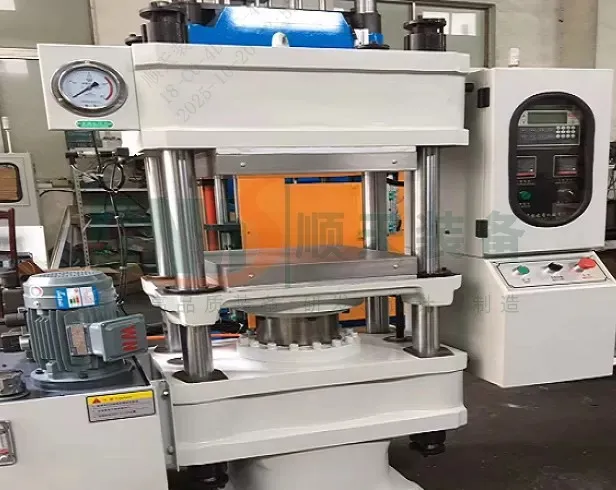
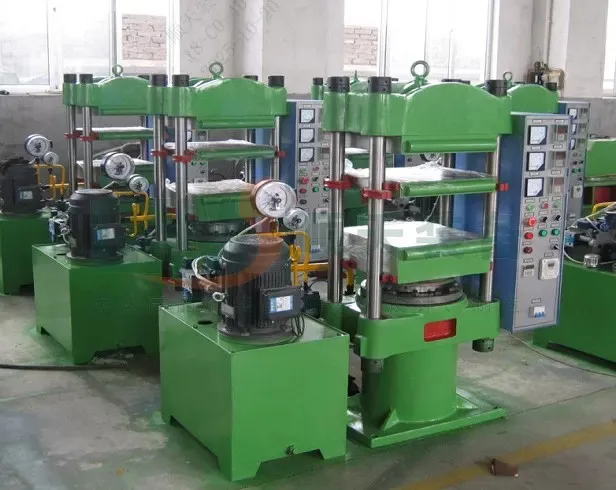
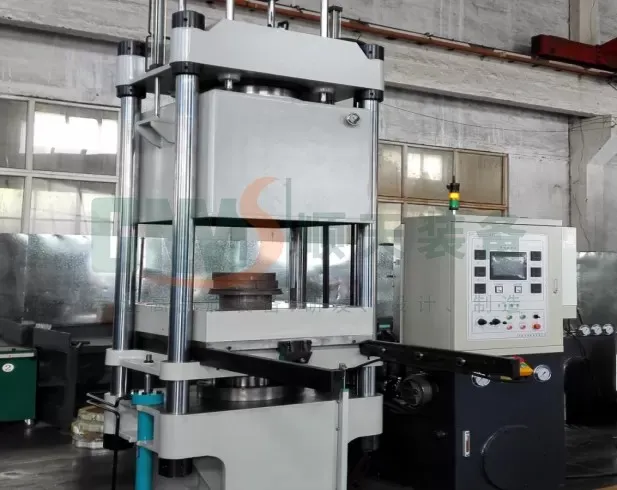
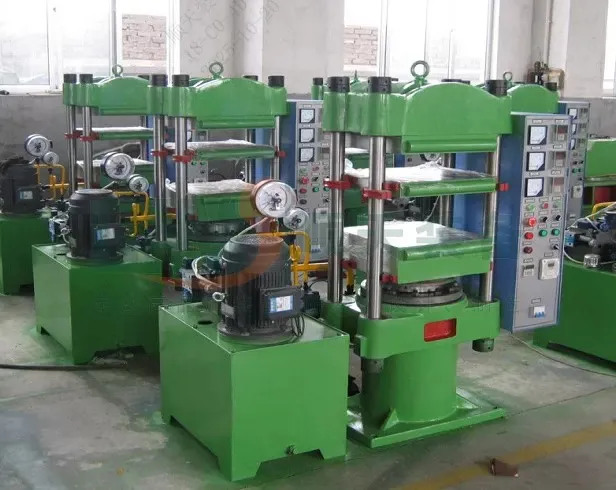
A Hydraulic Press uses hydraulic fluid and cylinders to generate compressive force. Based on Pascal's Law, pressure applied to a confined fluid is transmitted equally throughout the system, enabling the machine to deliver extremely high tonnage.
Hydraulic presses are widely used in:
Metal forming
Deep drawing
Forging operations
Composite molding
Heavy industrial manufacturing
Because of their exceptional force capabilities, hydraulic presses remain a preferred solution for large-scale production tasks that require substantial forming power.

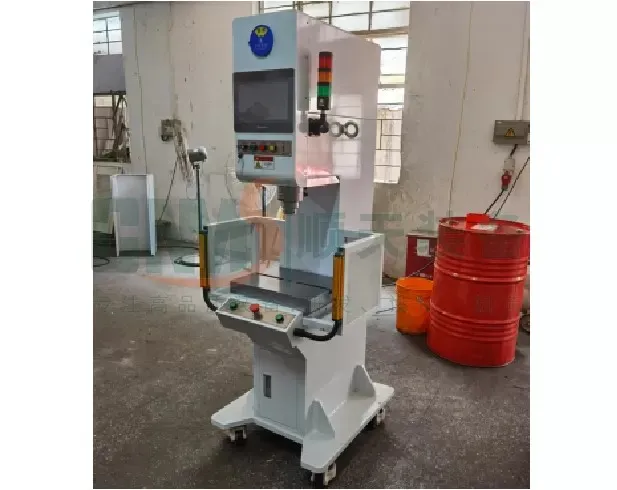
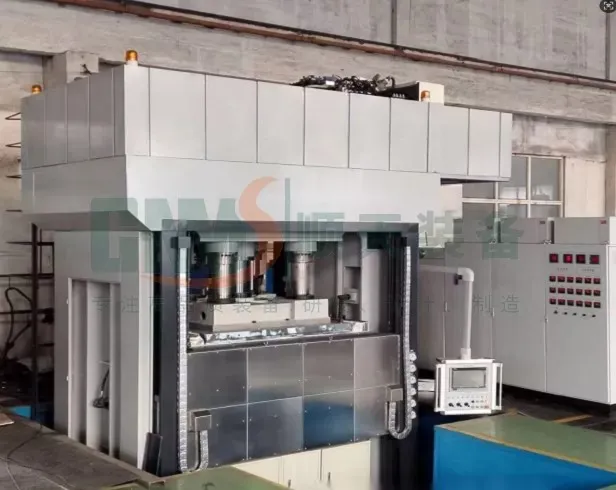
A Servo Press utilizes advanced servo motor technology to control ram movement with exceptional precision. Unlike conventional press systems, servo-driven equipment offers programmable motion profiles, variable speeds, and real-time force monitoring.
Modern servo press systems are increasingly adopted in:
Automotive manufacturing
Consumer electronics assembly
Medical device production
Aerospace component manufacturing
Precision metal stamping
The integration of PLC control systems, intelligent motion control, and digital monitoring enables manufacturers to achieve higher consistency and repeatability.
One of the most significant differences lies in precision.
A Servo Press provides highly accurate positioning and force control through advanced servo motor technology and feedback sensors. This makes it ideal for applications requiring tight tolerances and repeatable production results.
Hydraulic presses can achieve excellent results for heavy-duty applications but generally offer less positioning accuracy than servo-driven systems.
Energy consumption has become a major concern for manufacturers worldwide.
A Hydraulic Press often requires continuous energy input to maintain hydraulic pressure, even during idle periods.
In contrast, a Servo Press consumes power only when motion is required. As a result, manufacturers frequently report energy savings ranging from 30% to 70%, depending on operating conditions.
Modern production environments require rapid product changes and shorter lead times.
Servo presses allow operators to program:
Stroke length
Speed profiles
Dwell time
Force curves
This flexibility supports customized manufacturing without extensive mechanical adjustments.
Hydraulic systems require regular inspection of:
Hydraulic fluid
Pumps
Valves
Seals
Hoses
Fluid contamination and leakage can increase maintenance costs.
Servo presses eliminate hydraulic fluid altogether, reducing maintenance demands and minimizing downtime.
Although the initial investment for a Servo Press may be higher, many manufacturers achieve lower long-term operating costs through:
Reduced energy consumption
Lower maintenance expenses
Improved production efficiency
Reduced scrap rates
Faster changeovers
For high-volume precision manufacturing, the total cost advantage can be substantial.
When comparing servo and hydraulic presses, several critical differences in operation and technology become evident. Hydraulic presses rely on hydraulic fluid and cylinders to generate force, offering immense power and versatility. In contrast, servo presses use servo motors and advanced control systems to deliver precise and programmable motion, ensuring high accuracy and repeatability.
Hydraulic presses are best suited for heavy-duty applications such as metal forging, deep drawing, and tasks requiring substantial force.
On the other hand, servo presses are ideal for precision manufacturing, electronics assembly, and applications demanding high accuracy and repeatability, such as automotive fine blanking and medical device production.
While hydraulic presses are powerful and versatile, servo presses offer superior precision and efficiency, making them increasingly favored in modern manufacturing environments.
Shuntian Equipment Servo Press solutions are designed for manufacturers seeking higher productivity, superior precision, and intelligent production control.
Key advantages include:
Advanced servo motor technology
High-speed motion control
Real-time force monitoring
PLC-based automation systems
Industry 4.0 compatibility
Consistent production quality
Reduced operating costs
With extensive industry experience and continuous technological innovation, Shuntian Equipment helps manufacturers improve competitiveness in increasingly demanding markets.
Before selecting a Servo Press, buyers should evaluate several critical factors.
Consider:
Material type
Part complexity
Required accuracy
Production volume
Choose equipment capable of handling current and future production needs.
Advanced PLC control systems and intelligent software improve operational flexibility and process optimization.
Energy-efficient equipment can significantly reduce operating expenses over the equipment lifecycle.
Reliable technical support, spare parts availability, and application expertise are essential for long-term success.
Choosing an experienced Servo Press manufacturer such as Shuntian Equipment ensures dependable support throughout the equipment's service life.
Servo Press technology continues to expand across various sectors.
Used for precision stamping, assembly, and fine blanking of critical automotive components.
Supports high-accuracy forming of lightweight structural parts and advanced alloys.
Ensures strict dimensional control and repeatable quality for sensitive medical products.
Enables precision assembly of connectors, battery components, and miniature electronic parts.
Provides superior control for complex metal forming operations.
The major benefits of Servo Press technology include:
Higher precision
Better repeatability
Lower energy consumption
Reduced maintenance
Flexible production programming
Improved product quality
Shorter setup times
Lower total ownership costs
Enhanced automation integration
Greater manufacturing efficiency
As global manufacturing moves toward digitalization and smart factories, servo-driven systems continue to gain popularity as a future-ready production solution.
The decision between a Servo Press and a Hydraulic Press depends on production goals, application requirements, and long-term operational priorities.
For heavy-force applications, hydraulic presses remain highly effective. However, for manufacturers seeking superior precision, energy efficiency, automation capability, and production flexibility, Servo Press technology often delivers a stronger return on investment.
With innovative solutions, advanced engineering, and dedicated customer support, Shuntian Equipment continues to help manufacturers worldwide optimize productivity and achieve sustainable growth.
Looking for high-performance Servo Press solutions?
Shuntian Equipment provides reliable, energy-efficient, and precision-engineered press systems tailored to modern manufacturing requirements.
Contact our team today to discuss your production needs and discover the right press solution for your business.
Related news
Choosing the Right Powdered Graphite Bipolar Plate Production Line
Complete Guide to Vacuum Molding Machines


 中文
中文