June 22, 2026
A Vacuum Molding Machine Guide Industrial Manufacturing plays a critical role in modern thermoforming and precision plastic shaping industries. As manufacturing demand shifts toward lightweight, high-strength, and cost-efficient components, the vacuum molding machine has become one of the most essential forming systems across automotive, packaging, aerospace, and energy sectors.
This article provides a complete breakdown of how a vacuum molding machine works, where it is used, and what buyers should evaluate before investment.
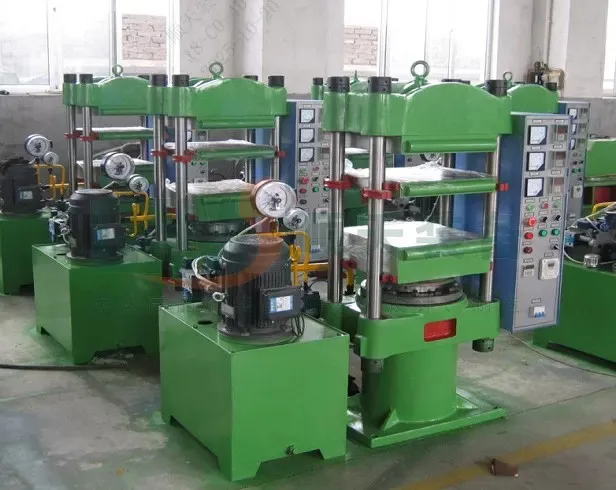
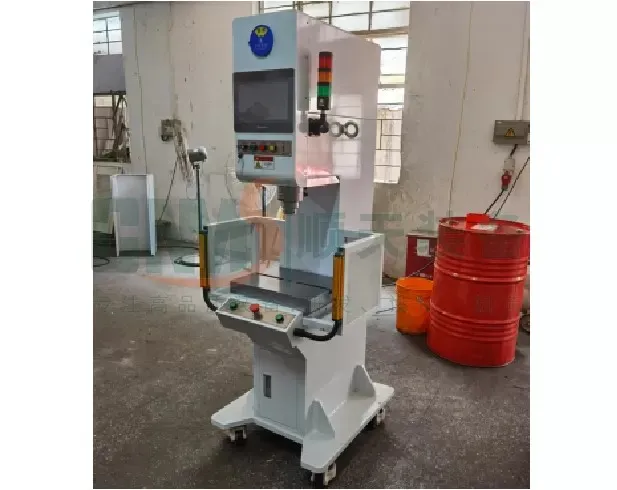
A vacuum molding machine is a forming system that uses vacuum pressure to shape heated plastic sheets or composite materials into precise molds. The process removes air between the mold surface and material, ensuring tight contact and highly accurate replication.
The core system typically includes:
Heating system (infrared or electric heating)
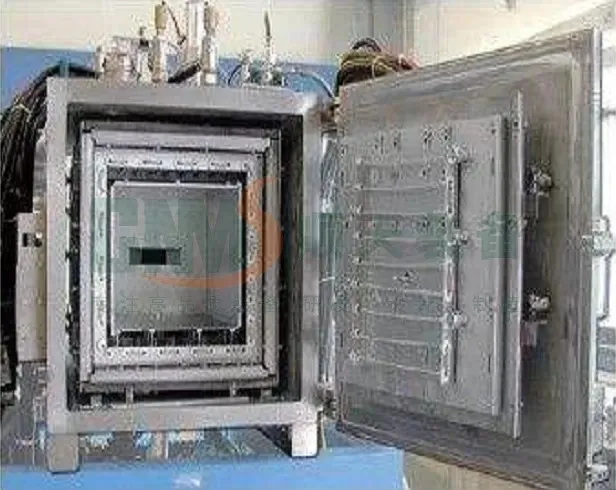
Vacuum forming chamber
Mold platform
Cooling system
Control panel (PLC automation)
A modern vacuum molding machine is widely used in thermoforming equipment lines, especially where high repeatability and surface precision are required.
The working principle of a vacuum molding machine is based on three main stages:
Plastic sheets are heated until they reach a flexible forming temperature.
Air is extracted from the chamber, and the sheet tightly conforms to the mold.
The formed product is cooled and released with stable dimensional accuracy.
This vacuum molding process ensures low deformation and high consistency, making it ideal for industrial production.
The vacuum molding machine is widely adopted across multiple industries:
Used for dashboards, interior panels, and protective covers.
Used for blister trays, food packaging, and transparent containers.
In the hydrogen fuel cell industry equipment chain, vacuum forming is used for insulation parts and composite housings.
High-precision structural parts and insulation components rely on vacuum forming systems.
The growing demand for lightweight and durable materials has increased the adoption of vacuum molding machine systems in advanced manufacturing.
A modern vacuum molding machine provides several performance advantages:
High precision forming accuracy
Lower production cost compared to injection molding
Fast cycle time for mass production
Compatible with multiple thermoplastic materials
Stable automation control via PLC systems
Compared to traditional molding technologies, the vacuum molding machine offers better flexibility for small to medium batch production.
The vacuum molding machine supports a wide range of materials:
ABS (Acrylonitrile Butadiene Styrene)
PET (Polyethylene Terephthalate)
PVC (Polyvinyl Chloride)
PC (Polycarbonate)
These materials are widely used in thermoforming systems due to their thermal stability and formability.
Manufacturers increasingly prefer vacuum molding machine solutions because they reduce waste and improve material utilization efficiency by up to 30%.
Modern vacuum molding machine designs integrate intelligent control systems, including:
PLC touch-screen interface
Temperature precision sensors
Automated vacuum regulation
Real-time production monitoring
These features improve operational stability and reduce human error, especially in continuous production environments.
In high-end industrial setups such as thermoforming equipment lines, automation is a key factor for maintaining consistent output quality.
The global demand for vacuum molding machine technology is increasing due to:
Growth in electric vehicles
Expansion of packaging automation
Demand for lightweight structural components
Rapid development in hydrogen energy systems
According to industrial manufacturing reports, thermoforming-based production is expected to grow steadily over the next decade, especially in Asia-Pacific and North America.
When selecting a vacuum molding machine, buyers should evaluate:
Machine forming size and capacity
Heating uniformity and efficiency
Vacuum pressure stability
Automation level and control system
Material compatibility range
A well-designed vacuum molding machine ensures long-term production stability and lower maintenance costs.
From a manufacturing engineering perspective, vacuum forming technology has evolved from basic sheet shaping to highly automated production systems. Industry data shows that automated vacuum molding machine systems can improve production efficiency by 20–40% compared to manual thermoforming setups.
In large-scale manufacturing environments, especially in hydrogen fuel cell industry equipment production lines, precision and repeatability are critical. This is where advanced vacuum forming systems demonstrate clear advantages.
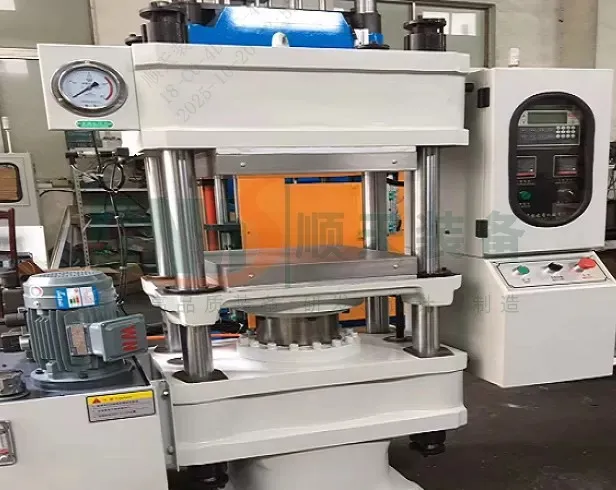
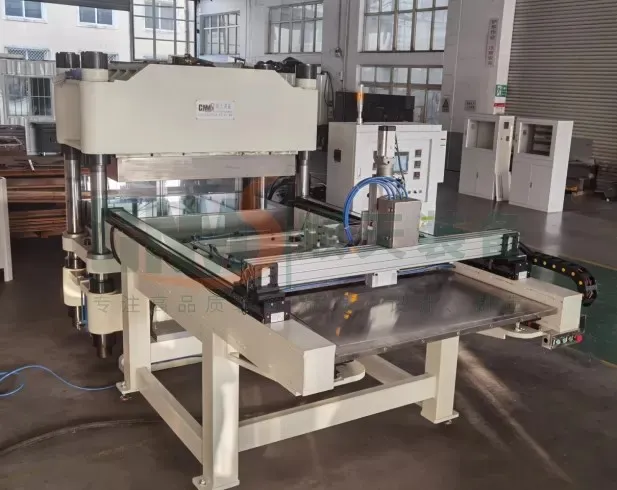
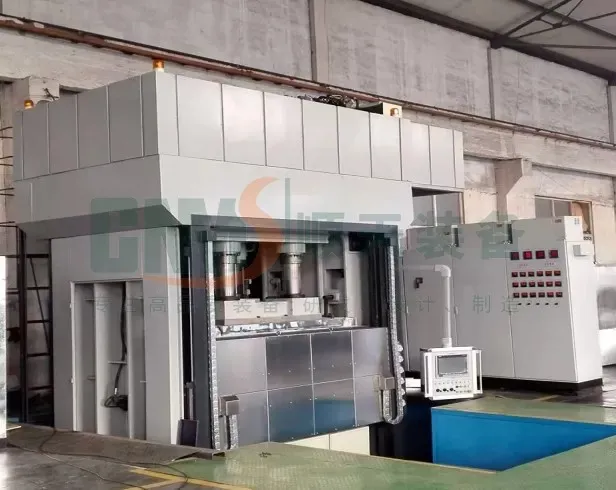
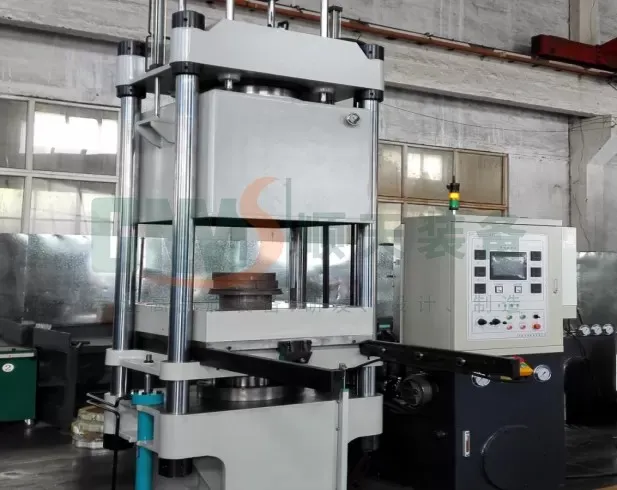
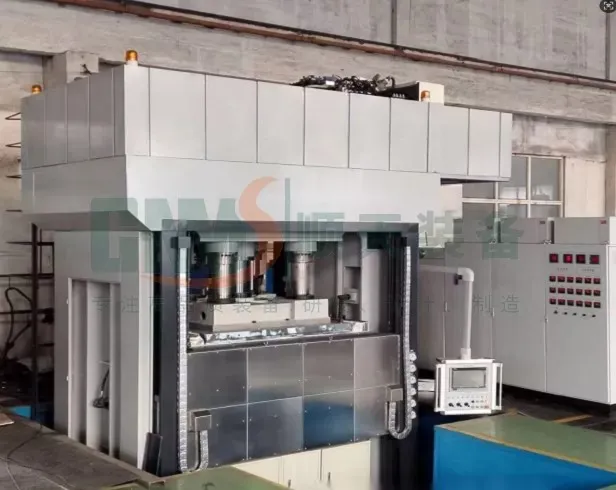
This 100T vacuum molding machine is designed for high-pressure forming applications and is suitable for large-scale thermoforming production environments. It offers strong structural stability, advanced automation, and high forming precision.
A vacuum molding machine can process ABS, PVC, PET, and PC sheets commonly used in industrial manufacturing.
Yes, the vacuum molding machine is highly suitable for medium and large-scale production due to its fast cycle time and automation capability.
Industries include automotive, packaging, electronics, aerospace, and hydrogen energy systems.
Vacuum molding is faster and cheaper for sheet forming, while injection molding is better for complex solid parts.
The vacuum molding machine is a core technology in modern thermoforming production. With its efficiency, flexibility, and scalability, it continues to replace traditional forming methods in multiple industries. As automation increases, demand for advanced vacuum molding machine systems will continue to grow.
Shuntian Equipment continues to provide reliable engineering solutions for global manufacturing industries.
Email:
cwf001@dlcntn.com
rubyzhang@dlcntn.com
Shuntian Equipment is a trusted brand in industrial forming and thermoforming solutions.
Servo Press vs Hydraulic Press for Automotive Production
Choosing the Right Powdered Graphite Bipolar Plate Production Line


 中文
中文