July 14, 2026
As the global hydrogen economy continues to expand, choosing the right hydrogen production equipment has become a critical decision for project developers, energy companies, and industrial users. Among today's commercial water electrolysis technologies, PEM electrolyzers and alkaline electrolyzers are the two most widely adopted solutions.
Both technologies produce green hydrogen by splitting water into hydrogen and oxygen using electricity, but they differ significantly in operating principles, efficiency, flexibility, investment costs, and application scenarios.
Understanding the differences between a PEM electrolyzer and an alkaline electrolyzer helps investors and engineers select the most suitable technology for their hydrogen production projects.
PEM electrolytes are best suited to applications requiring flexibility and high purity, whilst alkaline electrolytes are best suited to low-cost, stable, large-scale production applications.
Shuntian Equipment provides advanced hydrogen production equipment and customized electrolysis solutions for industrial and renewable energy applications.
A PEM electrolyzer (Proton Exchange Membrane Electrolyzer) uses a solid polymer electrolyte membrane to conduct protons while separating hydrogen and oxygen gases.
Unlike alkaline systems, PEM electrolyzers do not use liquid alkaline electrolyte. Instead, pure water is supplied directly to the system, where electricity splits water into hydrogen and oxygen.
Key characteristics include:
Solid polymer membrane
High-purity hydrogen production
Compact system design
Fast dynamic response
High operating pressure
PEM technology is particularly suitable for renewable energy projects powered by solar and wind because it can quickly respond to fluctuating power input.
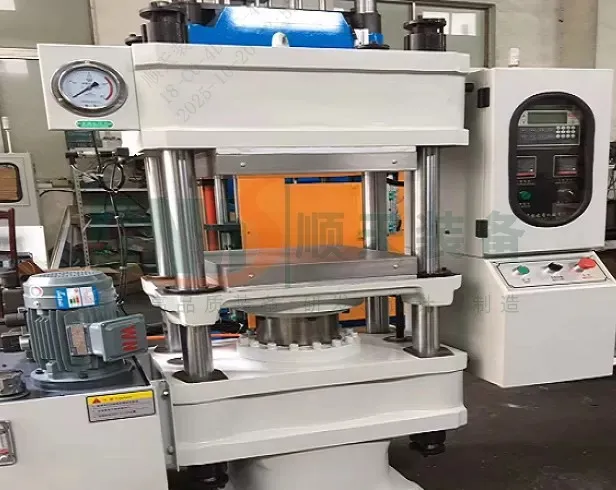
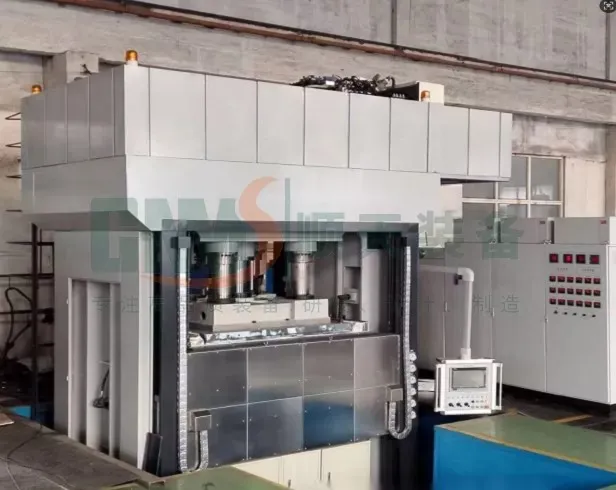
The Shuntian PEM Electrolyzer Hydrogen Production Line is an advanced automated manufacturing solution that combines robotic stacking, precision alignment, servo hydraulic pressing, automatic fastening, leak testing, and intelligent data management. It enables efficient, stable, and scalable production of high-performance PEM electrolyzer stacks for green hydrogen applications.

PEM Electrolyzer Hydrogen Production Line
An alkaline electrolyzer is one of the most mature and commercially proven hydrogen production technologies.
It uses an alkaline electrolyte solution, typically potassium hydroxide (KOH), together with porous diaphragms to separate hydrogen and oxygen during electrolysis.
For decades, alkaline electrolyzers have been widely used in industrial hydrogen production due to their proven reliability and relatively low capital cost.
Typical features include:
Liquid alkaline electrolyte
Mature technology
Large-scale hydrogen production
Lower equipment cost
Long operational history
Alkaline systems perform particularly well under stable, continuous operating conditions.
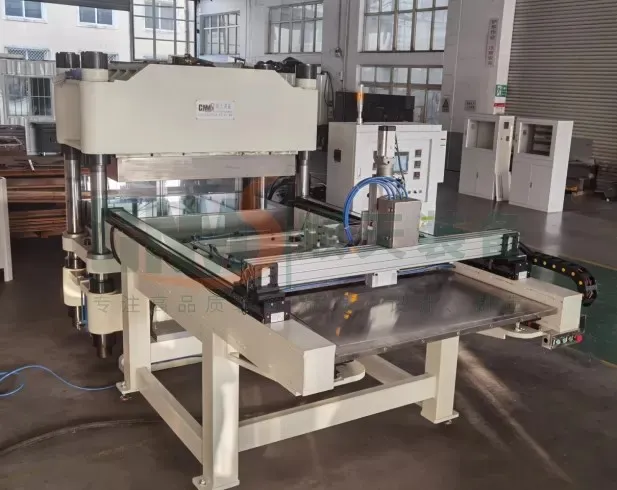
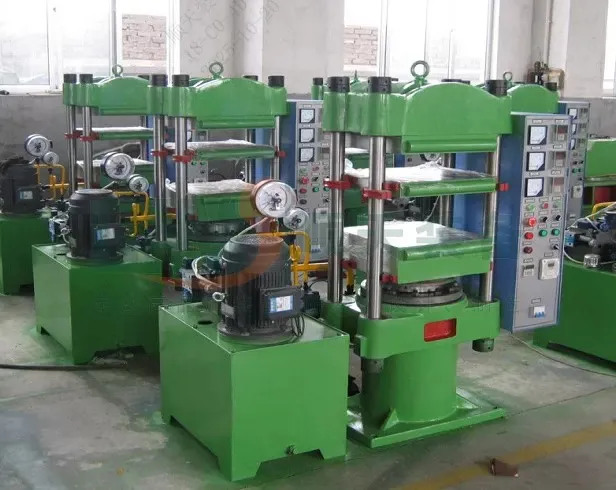
The Shuntian Alkaline Electrolyzer Cell Stack Assembly Lifting Platform is an essential automation solution for alkaline electrolyzer manufacturing, offering precise positioning, stable lifting performance, improved assembly efficiency, and enhanced safety for large-scale green hydrogen equipment production.

Alkaline Electrolyzer Assembly Lift Platform
| Comparison Factor | PEM Electrolyzer | Alkaline Electrolyzer |
| Electrolyte | Solid polymer membrane | Potassium hydroxide (KOH) solution |
| Technology Maturity | Rapidly growing | Highly mature |
| Dynamic Response | Excellent | Moderate |
| Renewable Energy Integration | Excellent | Better with stable power supply |
| Hydrogen Purity | Very high | High |
| Operating Pressure | Higher | Usually lower |
| Capital Investment | Higher | Lower |
| Maintenance | Simpler electrolyte management | Requires electrolyte handling |
| Typical Applications | Green hydrogen, renewable energy, mobility | Industrial hydrogen, chemical plants, large-scale production |
One of the biggest differences between PEM electrolyzers and alkaline electrolyzers is how they respond to changing electricity input.
PEM systems can start quickly, stop rapidly, and operate efficiently under variable loads.
This makes them ideal for renewable energy sources such as:
Solar power
Wind power
Hybrid renewable systems
As renewable electricity fluctuates throughout the day, PEM electrolyzers can continuously adjust their operating conditions without significant efficiency losses.
Alkaline systems perform best when supplied with stable electrical power.
Although modern alkaline technology has improved operational flexibility, frequent start-stop cycles may reduce overall operating efficiency compared with PEM systems.
For projects with stable grid electricity or continuous industrial power, alkaline electrolyzers remain an excellent choice.
Hydrogen purity is another important consideration when selecting hydrogen production equipment.
PEM systems generally produce very high-purity hydrogen due to the solid membrane design and efficient gas separation.
This makes them suitable for:
Fuel cell applications
Semiconductor manufacturing
High-purity industrial processes
Alkaline electrolyzers also produce high-quality hydrogen, although additional purification equipment may be required for some ultra-high-purity applications.
For most industrial hydrogen users, alkaline hydrogen purity fully meets production requirements.
One major advantage of alkaline technology is its relatively lower initial investment.
Benefits include:
Mature manufacturing processes
Lower equipment costs
Proven long-term reliability
Established supply chains
This makes alkaline systems attractive for large industrial hydrogen projects with stable operating conditions.
PEM electrolyzers generally require higher capital investment because they use advanced membrane materials and precious metal catalysts.
However, PEM technology may reduce operating costs in renewable energy projects by improving energy utilization under fluctuating power conditions.
PEM systems use a solid membrane instead of liquid electrolyte, simplifying electrolyte management and reducing the need for handling corrosive alkaline solutions.
Alkaline systems require monitoring and maintenance of the electrolyte solution to ensure long-term stable operation.
With proper maintenance, alkaline electrolyzers have demonstrated reliable operation over many years in industrial applications.
The answer depends on project requirements rather than one technology being universally superior.
Fast response to renewable energy
High-purity hydrogen
Compact system design
Flexible operation
Green hydrogen production integrated with solar or wind power
Lower initial investment
Large-scale continuous hydrogen production
Mature commercial technology
Stable industrial operation
Proven long-term reliability
Although alkaline electrolyser technology is proven and widely used, several misconceptions still limit adoption. Here are the most common myths and the facts behind them.
Fact: Alkaline electrolysers offer long service life and proven durability. With regular maintenance, they provide reliable long-term operation and lower lifecycle costs.
Fact: Alkaline electrolysis remains a reliable, cost-effective solution. Ongoing improvements in efficiency, durability, and scalability keep it competitive for industrial hydrogen production.
Fact: Alkaline electrolysers typically produce hydrogen with up to 99.5% purity, meeting most industrial requirements. Ultra-high-purity applications may require additional purification, similar to PEM electrolysers.
Fact: Modern alkaline electrolysers continue to advance in efficiency, flexibility, and durability. New technologies, such as ceramic-based alkaline electrolysers, deliver high current density and high efficiency without precious metals, significantly reducing hydrogen production costs while improving affordability.
Fact: The efficiency gap between alkaline electrolysers and PEM electrolysers is small. Lower equipment and material costs often outweigh the slight efficiency difference.
Fact: Modern alkaline electrolysers respond better to variable loads and integrate well with wind and solar power. Hybrid systems and energy storage further improve renewable energy compatibility.
Fact: The potassium hydroxide electrolyte is safely sealed inside the system. Modern alkaline electrolysers feature advanced safety designs for secure industrial operation.
Fact: Thanks to their simple design and absence of precious metal catalysts, alkaline electrolysers have lower maintenance costs than PEM electrolysers.
Fact: Alkaline electrolysers are modular, scalable, and widely used for large-scale hydrogen production, including ammonia manufacturing and petroleum refining.
Fact: Although larger than PEM electrolysers, alkaline electrolysers are highly scalable and ideal for large-scale hydrogen production where space is available.
Shuntian Equipment specializes in advanced hydrogen production equipment, providing customized electrolysis solutions for customers worldwide.
Our solutions offer:
Professional hydrogen production systems
Advanced PEM electrolyzer solutions
Reliable alkaline electrolyzer equipment
Customized engineering support
Stable system performance
Technical services from project design to commissioning
Whether your project requires flexible renewable hydrogen production or large-scale industrial hydrogen generation, Shuntian Equipment can help you select the most suitable electrolysis technology.
Both technologies are highly efficient, but PEM electrolyzers generally perform better under variable operating conditions and intermittent renewable power, while alkaline electrolyzers are highly efficient during continuous operation.
PEM systems use advanced proton exchange membranes and precious metal catalysts, which increase manufacturing costs but provide greater operational flexibility.
Yes. Alkaline electrolyzers remain one of the most widely used hydrogen production technologies due to their maturity, reliability, and cost-effectiveness.
For projects powered primarily by solar or wind energy, PEM electrolyzers are generally preferred because they respond quickly to changing electricity input.
The comparison of PEM vs Alkaline Electrolyzer shows that both technologies play important roles in the future of green hydrogen production.
PEM electrolyzers excel in flexibility, rapid response, and renewable energy integration, while alkaline electrolyzers offer lower capital costs, proven reliability, and efficient large-scale hydrogen production.
Choosing the right hydrogen production equipment depends on your power source, production capacity, investment budget, and long-term project goals.
Shuntian Equipment provides reliable PEM electrolyzers, alkaline electrolyzers, and customized hydrogen production equipment to support the global transition toward clean hydrogen energy.
Contact Shuntian Equipment for hydrogen production solutions:
Email: cwf001@dlcntn.com
Email: rubyzhang@dlcntn.com


 中文
中文