November 11, 2025
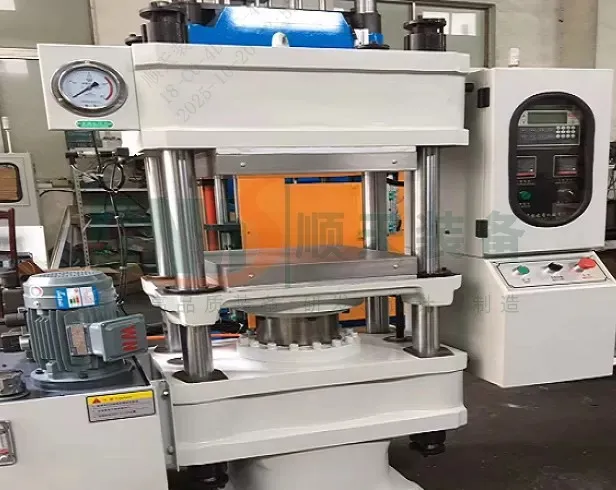
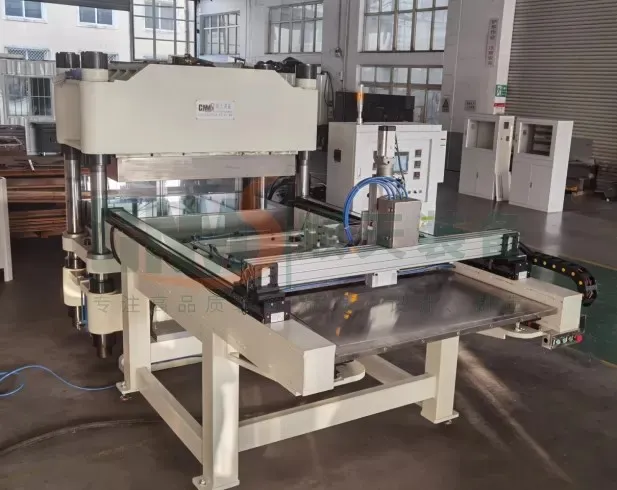
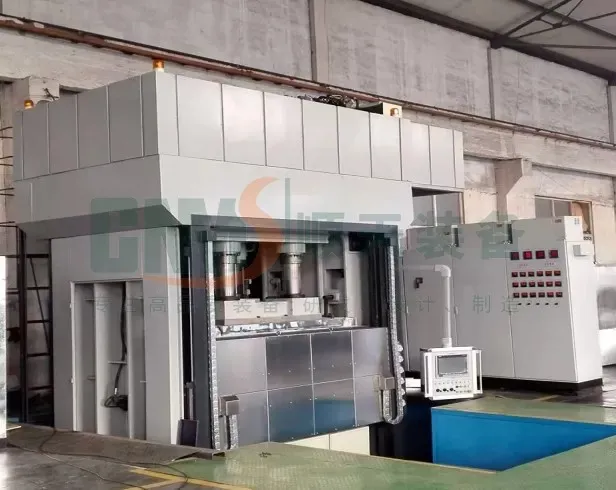
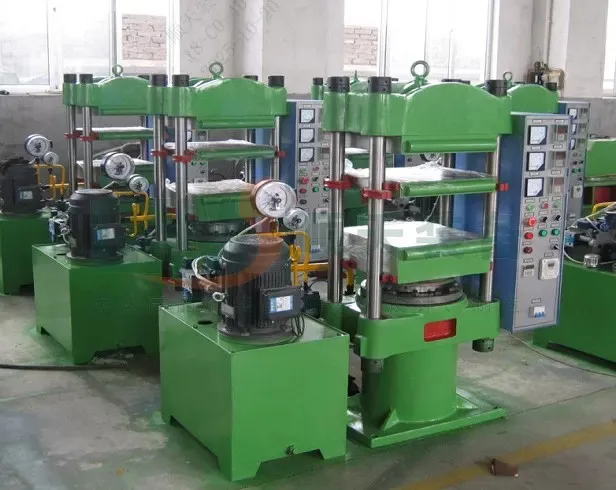
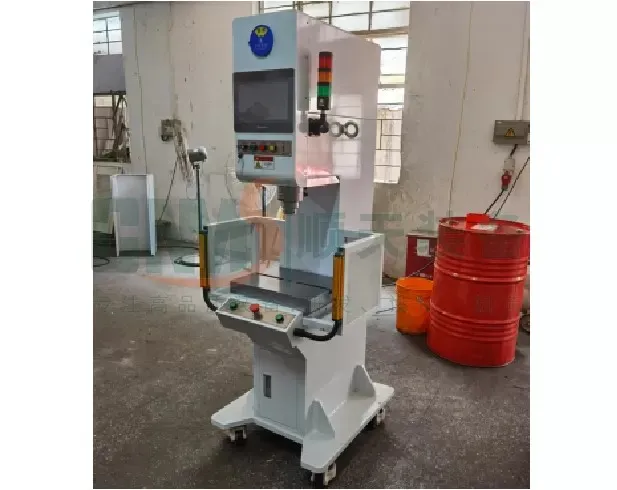
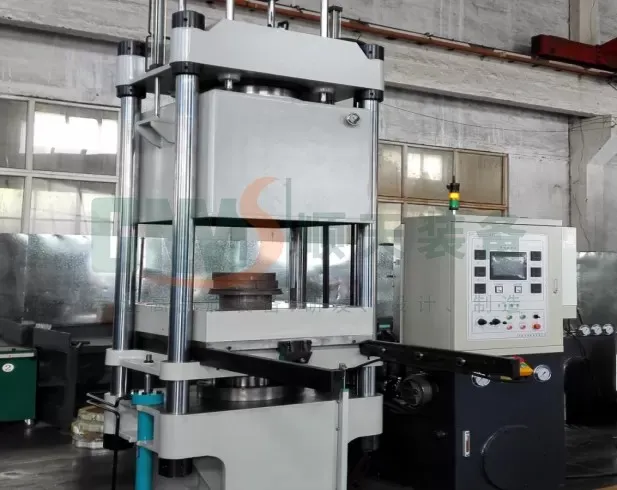
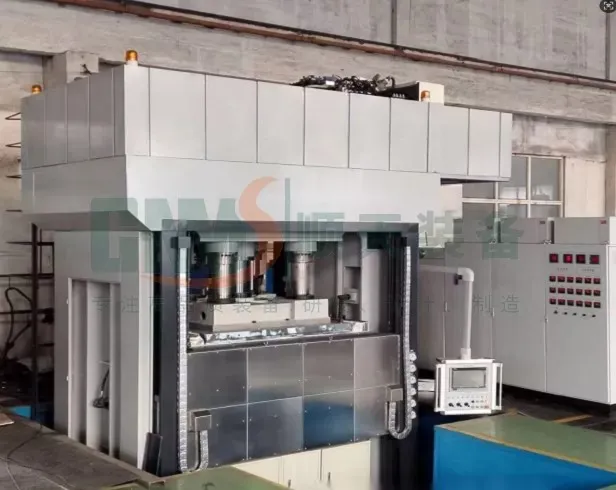
In today's era of rapid fuel cell technology advancement, the airtightness of membrane electrode assembly (MEA) bipolar plates directly determines the cell's energy efficiency, safety, and service life. As specialized testing equipment for the industry, the MEA bipolar plate airtightness testing servo press has become an indispensable key device in fuel cell production and R&D processes through its core advantages of precise control and high-efficiency stability. It is precisely this MEA bipolar plate airtightness testing servo press that fortifies the testing defense line for the industry's high-quality development.
Key Requirements for Airtightness Testing of Membrane Electrode & Bipolar Plate
As the critical "skeleton" and "conduits" of a fuel cell, the Membrane Electrode and Bipolar Plate possess intricate internal channels for hydrogen, oxygen, and coolant. Any minor leakage can compromise cell performance, increase energy loss, and create safety risks. Consequently, airtightness verification is a paramount quality control step in their manufacturing, and choosing the right testing equipment is vital for quality assurance.
Conventional testers, with their imprecise pressure control, low efficiency, and limited flexibility, often fall short of the exacting requirements for these precision components. The servo-driven press for Membrane Electrode and Bipolar Plate testing addresses these limitations. Utilizing a servo system for accurate real-time closed-loop control of pressure and displacement, it is ideally suited to meet the demanding criteria of airtightness testing.

Core Technical Advantages of the Servo Press for Membrane Electrode Assembly Bipolar Plate Airtightness Testing
●Precise Control for More Reliable Test Data
The servo press for membrane electrode assembly bipolar plate airtightness testing employs a high-precision servo motor and ball screw transmission structure, achieving pressure control accuracy of ±0.1% FS and displacement control accuracy of 0.01mm. During testing, this servo press provides real-time feedback on pressure and displacement data, eliminating detection errors caused by pressure fluctuations and ensuring the authenticity and validity of every test result—this represents the core advantage distinguishing the servo press from traditional equipment.
● High Efficiency and Stability for Scalable Production
Designed specifically for batch testing, the servo press for membrane electrode assembly (MEA) bipolar plate airtightness testing features rapid response capabilities. Its single test cycle is over 30% shorter than traditional equipment, meeting the continuous testing demands of mass production. Additionally, this MEA bipolar plate airtightness testing equipment employs an industrial-grade stable structural design, enabling extended continuous operation with low failure rates. This effectively reduces production downtime costs and aligns with the pace of large-scale development in the fuel cell industry.
● Flexible Adaptability for Diverse Scenarios
The servo press supports testing of MEMBRETS with varying specifications and thicknesses. Its programmable control system enables rapid parameter switching, accommodating both multi-specification sample testing during R&D and standardized mass production inspections. Furthermore, this servo press integrates multiple leak detection methodologies and offers customizable functions to meet enterprise requirements, truly achieving “one machine for multiple scenarios.”
● Smart Connectivity, Empowering Digital Production
The modern membrane electrode assembly bipolar plate airtightness testing servo press integrates an intelligent control system with data storage capabilities. It automatically records and exports detailed data from each test, facilitating quality traceability and data analysis for enterprises. More importantly, this testing equipment supports integration with production line MES systems, enabling automated and digital management of the testing process. This provides critical support for enterprises building smart factories.

Application Scenarios for Servo Presses in Membrane Electrode Assembly Bipolar Plate Leak Testing
●Fuel Cell Vehicle Manufacturers:
Implementing servo presses for membrane electrode assembly (MEA) bipolar plate leak testing enables incoming quality inspection of bipolar plates and random leak testing of finished fuel cells. This ensures the reliability of the vehicle's powertrain system from the source, preventing safety risks caused by bipolar plate leaks.
●Fuel Cell Core Component Manufacturers:
Deploying the servo press as core equipment in full inspection on mass production lines ensures strict quality control for every bipolar plate shipped, enhancing product competitiveness in the market.
●Research Institutions and Universities:
Utilize the MEMBRANE ELECTRODE ASSEMBLY BIPOLAR PLATE AIRTIGHTNESS TESTING SERVO PRESS to conduct airtightness performance tests on bipolar plates of varying materials and structures. This provides precise data support for fuel cell technology iteration and accelerates the commercialization of research outcomes.
●Testing and Certification Agencies:
Employ the MEMBRANE ELECTRODE ASSEMBLY BIPOLAR PLATE AIRTIGHTNESS TESTING SERVO PRESS as core equipment for third-party testing. This delivers impartial and accurate testing services to the industry, promoting the standardization and unification of airtightness testing protocols for membrane electrode assembly bipolar plates.
The technological advancement of the servo press for membrane electrode assembly bipolar plate airtightness testing resonates with the development of the fuel cell industry. As the core equipment in the testing process, the precision, efficiency, and intelligent features of this device not only help enterprises enhance product quality but also drive the standardization and scaled development of the entire industry.



 中文
中文