October 13, 2026
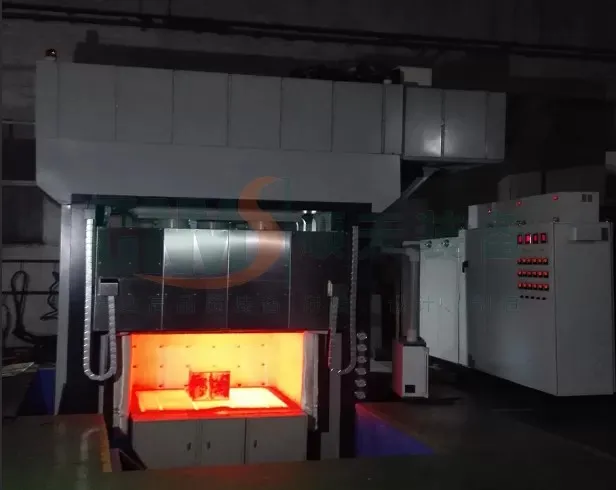
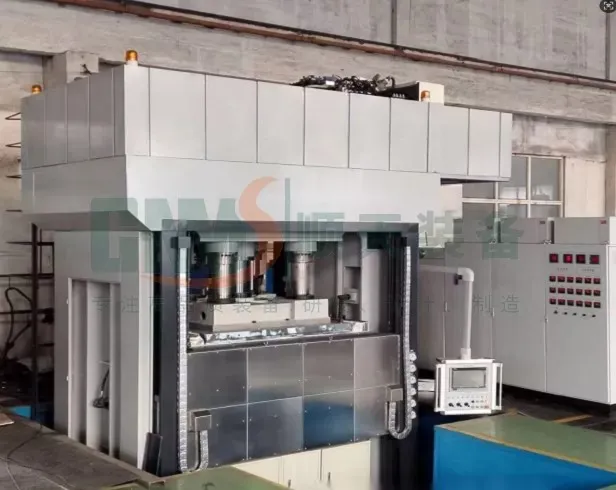
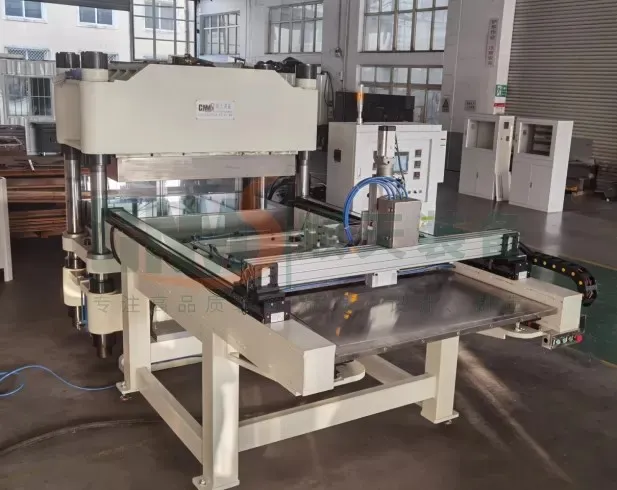
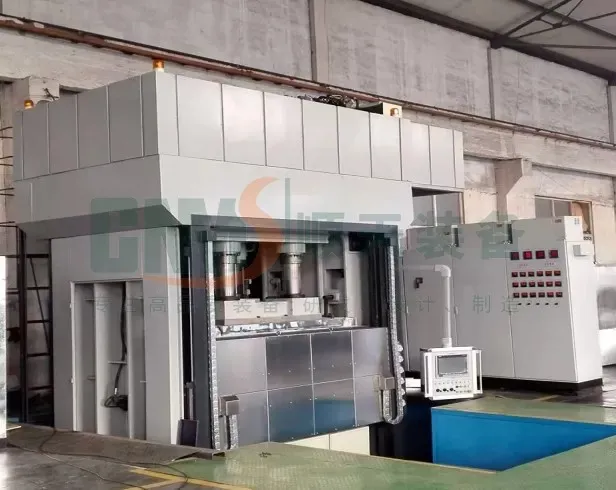
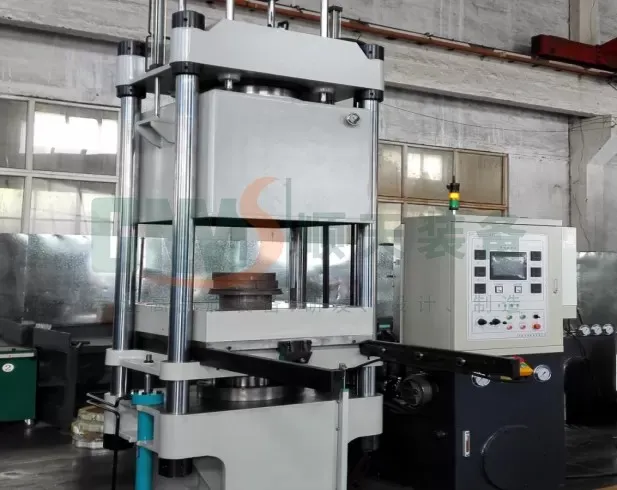
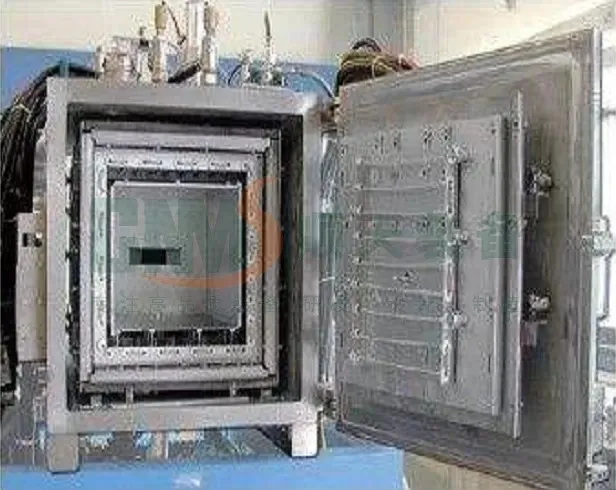
The Diffusion Welding Machine is revolutionizing manufacturing across multiple industries, becoming an essential tool for engineers and technicians who seek reliability and efficiency. This advanced technology addresses core challenges such as maximizing production efficiency, reducing production costs, and achieving high-quality welds. By effectively joining materials like titanium, aluminum, and super alloys, diffusion welding machines enhance structural integrity and performance. As industries evolve, understanding the operational capabilities and applications of diffusion welding is crucial for maintaining a competitive edge.

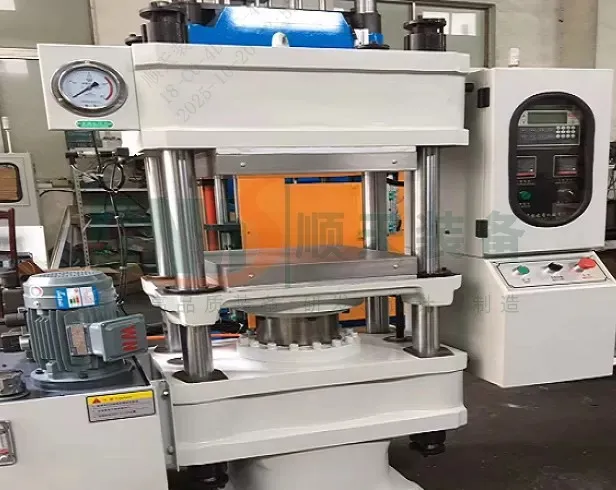
Diffusion welding is a solid-state welding process that utilizes heat and pressure to join materials without melting them. This technique relies on atomic diffusion, allowing the materials to bond at a microscopic level. The industry often refers to this method as pressure welding or solid-state welding, which is particularly effective for high-performance materials. The diffusion welding machine applies controlled temperature profiles and precise pressure levels to facilitate a bond that is as strong as the materials themselves.
Diffusion welding machines find applications across various sectors, each benefiting from the technology’s unique capabilities. Here are some key fields:
The significance of the diffusion welding machine lies in its ability to produce high-strength bonds without compromising material properties. Here are key advantages:
To truly understand the potential of diffusion welding machines, we recommend exploring the user guides and technical documentation available on the Shuntian website. These resources provide insights into the optimal operating conditions, maintenance guidelines, and best-practice techniques for implementing diffusion welding in your operations. If you're interested in trials or demonstrations, consider reaching out to Shuntian for expert assistance.
Q: What makes diffusion welding different from traditional welding?
A: Diffusion welding doesn’t melt the materials, reducing thermal distortion and enhancing the mechanical properties of the final product.
Q: What materials can be joined using diffusion welding machines?
A: They are particularly effective for bonding metals such as titanium, aluminum, and exotic alloys, as well as ceramics.
Q: How can I integrate a diffusion welding machine into my workflow?
A: Consult technical guides and reach out to Shuntian for personalized advice on integrating diffusion welding processes into your manufacturing operations.
For more information or to request a demonstration of Shuntian's diffusion welding machines, don't hesitate to visit Shuntian's official website or contact their support team for further assistance. By embracing this technology, you'll position your organization at the forefront of manufacturing innovation.


 中文
中文