August 14, 2026
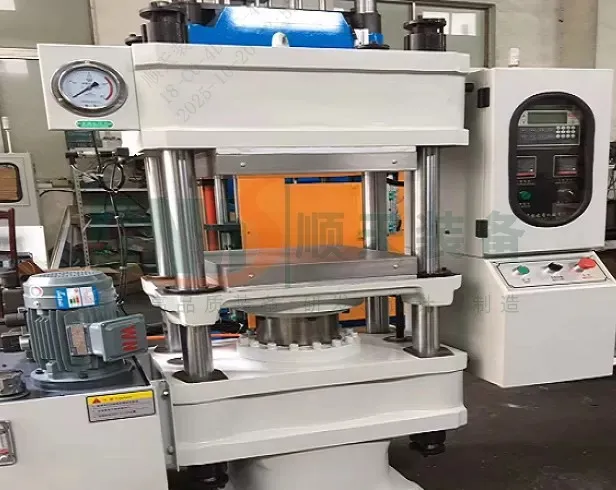
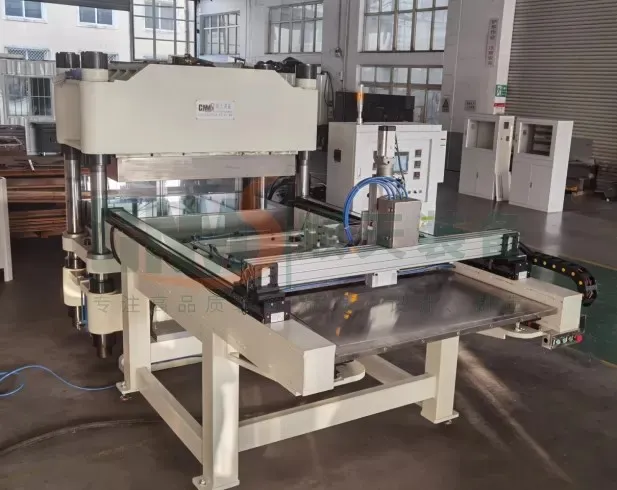
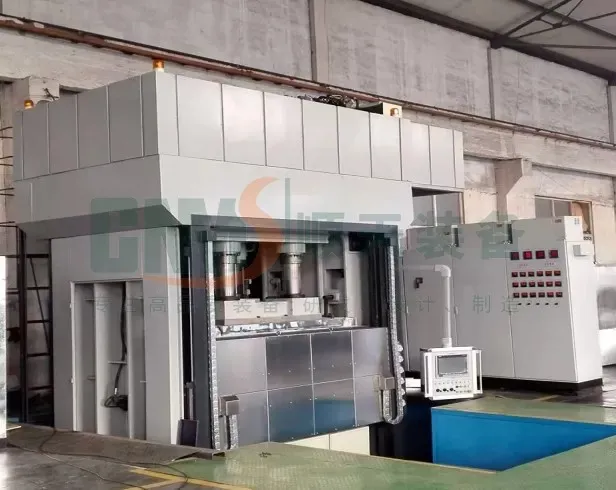
In the world of modern manufacturing and assembly, the Diffusion Welding Machine has emerged as a critical technology, revolutionizing how materials are joined. It addresses significant challenges in various industries such as aerospace, automotive, and electronics, where high joint quality and structural integrity are paramount. By utilizing a process that typically operates at temperatures between 400°C to 600°C, it creates durable and high-strength welds without compromising the material's properties. This article will explore how the Diffusion Welding Machine can enhance production efficiency and product quality, thus providing valuable solutions to common pain points faced by engineers and manufacturers.
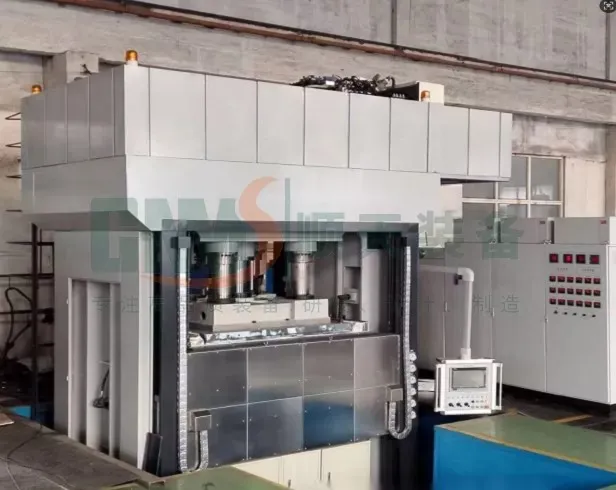
Shuntian-equipment.com/data/watermark/main/20251118/691c18ee9a61e_.webp" alt="Diffusion Welding Process" />
Diffusion welding is a solid-state welding process that joins materials through the application of heat and high pressure, promoting the flow of atoms across the interface without complete melting. This process is particularly valuable in aerospace applications where failing connections can lead to catastrophic results. The quality of the weld created by a Diffusion Welding Machine is influenced by several key factors, including the type of materials being joined, the amount of pressure applied, and the temperature at which welding is performed.
Diffusion welding finds its application in various industries, including:
Choosing a Diffusion Welding Machine provides several crucial benefits, particularly in critical applications:
Enhanced Joint Quality: Studies have shown that diffusion-welded joints exhibit tensile strength increases of up to 45%, compared to other welding methods (Source: Journal of Manufacturing Science and Engineering).
Material Integrity: Unlike traditional welding, diffusion welding maintains the original material properties, resulting in joints that do not suffer from embrittlement or heat-affected zones.
Versatility: The machine can weld a wide range of materials, including metals, ceramics, and composites, expanding its usability across various manufacturing sectors.
Improved Production Efficiency: Implementing a Diffusion Welding Machine can enhance production rates by 20%, minimizing downtime associated with repairs and rework (Source: International Journal of Advanced Manufacturing Technology).
To get started with diffusion welding, reviewing the user guide specific to the Shuntian Diffusion Welding Machine is a prudent first step. It will provide comprehensive insights into operating procedures, maintenance, and troubleshooting. Engaging with technical support or consulting with industry experts can also be beneficial to maximize your understanding and effective use of this technology.
Q: What materials can be joined using a Diffusion Welding Machine?
A: Various materials can be processed, including metals like titanium, aluminum, and dissimilar materials. This attribute is what makes the diffusion welding technique unique.
Q: How long does the diffusion welding process typically take?
A: The duration depends on the thickness of the materials and the size of the joint, but typical processes range from several minutes to hours based on the parameters applied.
Q: Is the diffusion welding process cost-effective?
A: While the initial investment for a diffusion welding machine can be high, the reduction in defective parts and improved joint durability often results in lower long-term operational costs.
Q: How can I learn more about operating a Diffusion Welding Machine?
A: Exploring detailed manuals from manufacturers like Shuntian and attending workshops can provide further insights into the practical aspects of diffusion welding.
In conclusion, the Diffusion Welding Machine stands as a key technology in enhancing joint quality in critical industries, significantly improving production processes while safeguarding material integrity. Consider exploring options from reliable manufacturers like Shuntian for your diffusion welding needs, and elevate your production capabilities today.


 中文
中文