July 14, 2026
As the global demand for clean energy continues to grow, hydrogen fuel cells are becoming an important technology for zero-emission transportation, industrial power systems, and renewable energy applications.
Unlike traditional combustion engines, hydrogen fuel cells generate electricity through an electrochemical reaction between hydrogen and oxygen, producing water and heat as the main by-products.
Behind every high-performance fuel cell is a complex manufacturing process that requires advanced materials, precise assembly technology, and specialized hydrogen fuel cell process equipment.
Shuntian Equipment provides professional hydrogen energy equipment solutions, supporting the development and manufacturing processes of hydrogen fuel cell systems and related clean energy applications.
A hydrogen fuel cell is an electrochemical device that converts the chemical energy of hydrogen into electrical energy without combustion.
The basic working principle involves:
Hydrogen entering the anode side
Hydrogen molecules separating into protons and electrons
Protons passing through the electrolyte membrane
Electrons flowing through an external circuit to generate electricity
Oxygen combining with hydrogen ions to produce water
The main components of a fuel cell include:
Membrane Electrode Assembly (MEA)
Bipolar plates
Gas diffusion layers
Catalyst layers
Electrolyte membrane
Sealing and support components
The performance of a fuel cell depends heavily on the quality and precision of these components.

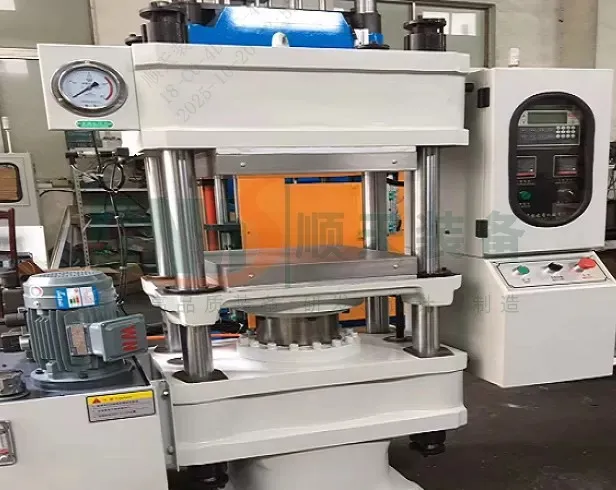
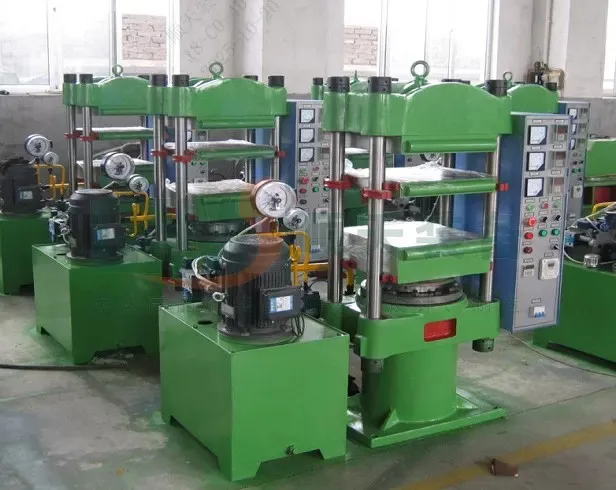
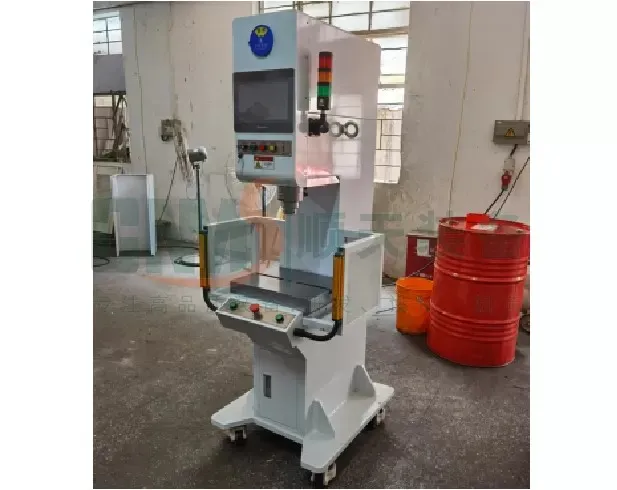
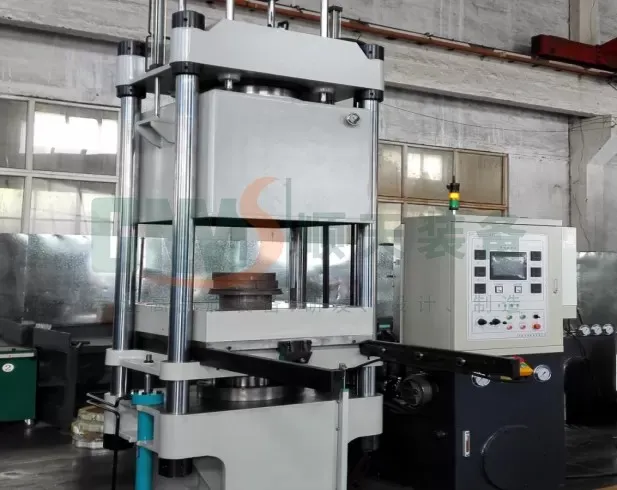
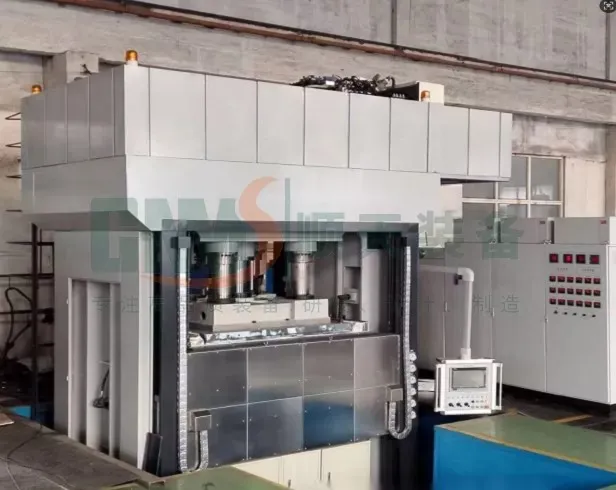
Hydrogen Fuel Cell Industry Equipment-100T Servo-Driven Hot and Cold Press Forming Machine
Different fuel cell technologies are developed for different applications.
PEM fuel cells are among the most widely used hydrogen fuel cell technologies.
Advantages include:
Low operating temperature
Fast startup
High power density
Compact design
They are commonly used in:
Fuel cell vehicles
Buses and trucks
Portable power systems
Backup power equipment
SOFC technology operates at high temperatures and uses ceramic electrolytes.
Advantages include:
High efficiency
Fuel flexibility
Suitable for stationary power generation
Applications include:
Industrial energy systems
Distributed power generation
Large-scale electricity production
Manufacturing a hydrogen fuel cell requires multiple precision processes, from material preparation to final system assembly.
The major manufacturing steps include:
The MEA (Membrane Electrode Assembly) is considered the core component of a fuel cell.
It consists of:
Proton exchange membrane
Catalyst layers
Gas diffusion layers
The production process includes:
Catalysts, usually platinum-based materials, are prepared and mixed with ionomer materials to create catalyst ink.
The catalyst layer is applied onto the membrane or gas diffusion layer using advanced coating technologies.
Common methods include:
Spray coating
Slot-die coating
Roll-to-roll coating
Precise coating thickness and uniformity are critical for fuel cell performance.
The membrane, catalyst layers, and diffusion layers are combined through processes such as hot pressing to create a complete MEA structure.
Bipolar plates are another key component of hydrogen fuel cells.
Their functions include:
Conducting electrical current
Distributing hydrogen and oxygen gases
Removing water and heat
Supporting mechanical structure
Common bipolar plate materials include:
Graphite
Stainless steel
Composite materials
The manufacturing process may involve:
Precision machining
Metal forming
Surface coating
Flow channel processing
A single fuel cell produces limited voltage, so multiple cells are connected together to form a fuel cell stack.
The stack assembly process includes:
Installing MEAs
Adding bipolar plates
Installing sealing components
Applying compression force
Testing electrical performance
The stack design directly affects:
Power output
Durability
Thermal management
System efficiency
After stack production, the fuel cell system requires additional components to operate effectively.
A complete fuel cell system includes:
Hydrogen supply system
Air supply system
Cooling system
Control system
Power management system
System integration ensures stable hydrogen delivery, oxygen supply, temperature control, and electrical output.
Testing is a critical step in hydrogen fuel cell manufacturing.
Manufacturers perform inspections such as:
Measures:
Power output
Efficiency
Voltage stability
Operating temperature
Ensures:
Hydrogen sealing performance
Gas separation reliability
Safe operation
Evaluates:
Long-term operation
Start-stop cycles
Environmental resistance
Strict testing helps ensure reliable fuel cell performance in real-world applications.
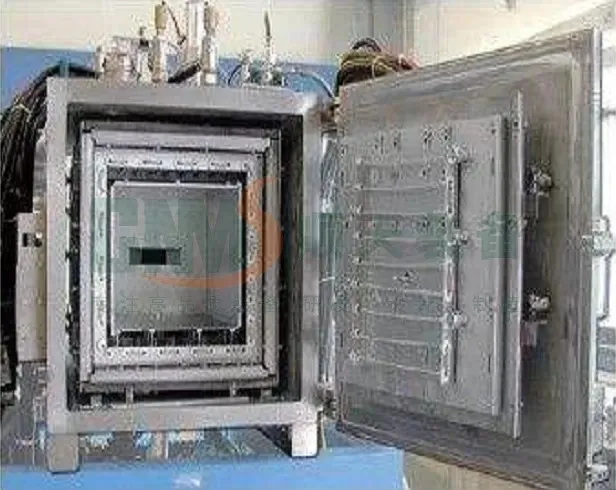
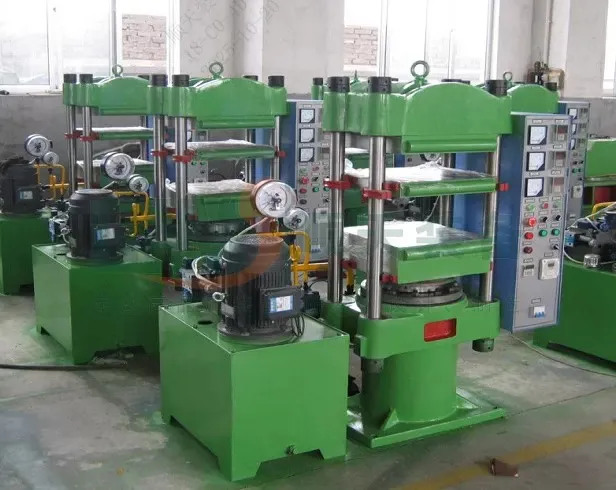
Producing hydrogen fuel cells requires specialized hydrogen fuel cell process equipment.
Common equipment includes:
Used for:
Catalyst coating
Membrane processing
Electrode assembly
Ensures:
Uniform catalyst distribution
Stable production quality
Improved fuel cell efficiency
Used for:
Cell stacking
Compression control
Sealing processes
Includes:
Performance test systems
Gas leakage testers
Durability evaluation equipment
Advanced production equipment helps manufacturers achieve consistent quality and higher production efficiency.
Due to their high efficiency and environmental benefits, fuel cells can be applied in a wide range of fields. Some common uses include:
Stationary Power Generation: They can be used to provide primary or backup power to buildings, including residential, commercial and industrial facilities. They are also utilised for distributed power generation.
Transport: Fuel cells can power vehicles such as cars, buses, lorries, and even trains and bicycles. They are particularly important for electric vehicles, as fuel cells offer a longer range and shorter refuelling times compared to conventional batteries.
Back-up power systems: They provide a reliable power supply to critical infrastructure such as hospitals, data centres and telecommunications networks, particularly during power cuts.
Portable Power Sources: Fuel cells are used in portable applications such as laptops, mobile phones and military equipment, where a reliable and long-lasting power source is essential.
Spacecraft: For many years, NASA has been using fuel cells to provide electricity and drinking water to astronauts on space missions.
Fuel cells are highly versatile and can be tailored to a wide range of power requirements, making them an attractive solution for many industries seeking sustainable energy alternatives.
Hydrogen fuel cells achieve higher energy conversion efficiency than internal combustion engines by converting chemical energy directly into electricity through electrochemical reactions. Typical fuel cells can convert around 40–60% of hydrogen’s chemical energy into electrical energy, while advanced systems can achieve higher overall efficiency through waste heat utilisation.
Unlike combustion engines, where most energy is lost as heat, vibration and exhaust gases, fuel cells minimise intermediate conversion losses by supplying electricity directly to electric motors or power systems. This makes hydrogen fuel cells an efficient solution for applications requiring high energy performance.
Hydrogen fuel cells have fewer moving parts compared with internal combustion engines, resulting in a simpler mechanical structure and lower wear. This reduces maintenance requirements, improves operational reliability and extends system service life.
Fuel cells generate electricity through electrochemical reactions, producing mainly water vapour and heat as by-products. Compared with fossil fuel-based power generation, hydrogen fuel cells significantly reduce carbon emissions and harmful pollutants such as nitrogen oxides, supporting cleaner energy solutions.
Hydrogen fuel cells can be designed for various power requirements, from portable devices and residential energy systems to large-scale industrial power stations. Their quiet operation and ability to use hydrogen from renewable sources make them suitable for a wide range of applications, including transportation, backup power and distributed energy systems.
Shuntian Equipment provides professional hydrogen energy equipment solutions, supporting customers in the development and manufacturing of hydrogen fuel cell-related systems.
With advanced engineering capabilities and industry experience, Shuntian Equipment focuses on providing:
Hydrogen fuel cell process equipment solutions
Hydrogen energy production equipment
Customized manufacturing support
Reliable equipment integration services
Professional technical assistance
By providing advanced equipment solutions, Shuntian Equipment helps customers improve production efficiency, quality control, and hydrogen energy development.
The Membrane Electrode Assembly (MEA) is considered the core component because it controls the electrochemical reaction and directly affects fuel cell performance.
Manufacturing requires MEA production equipment, coating systems, stack assembly equipment, testing systems, and other hydrogen fuel cell process equipment.
Fuel cells require precise control of materials, coating processes, sealing, and assembly accuracy to achieve high efficiency and durability.
Yes. When powered by green hydrogen, fuel cells can produce electricity with water as the main by-product and significantly reduce carbon emissions.
The manufacturing of hydrogen fuel cells involves advanced materials, precision processes, and specialized hydrogen fuel cell process equipment.
From MEA production and bipolar plate manufacturing to stack assembly and performance testing, every step influences fuel cell efficiency, durability, and reliability.
As hydrogen energy continues to expand globally, advanced manufacturing technologies will play an increasingly important role in building efficient and scalable fuel cell systems.
Shuntian Equipment provides professional hydrogen energy equipment solutions to support the development of clean hydrogen technologies worldwide.
Contact Shuntian Equipment for hydrogen energy equipment solutions:
Email: cwf001@dlcntn.com
Email: rubyzhang@dlcntn.com


 中文
中文