English

Home - News - How to improve stamping accuracy in bipolar plate forming

How to improve stamping accuracy in bipolar plate forming

July 09, 2026

How to Improve Stamping Accuracy in Bipolar Plate Forming

Stamping accuracy in the Metal Bipolar Plate Assembly Line is crucial for the efficiency of fuel cells and battery systems. Many manufacturers struggle with inconsistent dimensions, which leads to higher production costs and ineffective energy transfer in applications. Users often report defects like misalignment or oversized plates which compromise the integrity of fuel cells. For instance, a manufacturer noted that their yield rate was only 70% due to these issues. Understanding the intricacies of the stamping process and implementing effective strategies can help you enhance precision and efficiency in production.

Required Preparation for Accurate Stamping

Before diving into the stamping process, ensure you have the following preparations in place:

  1. Materials: High-quality stainless steel or graphite-based composites, which typically have a tensile strength of 200 MPa, are essential for producing durable bipolar plates.
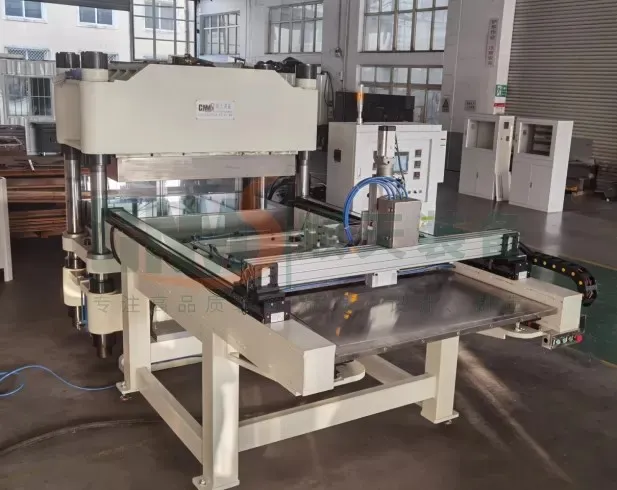
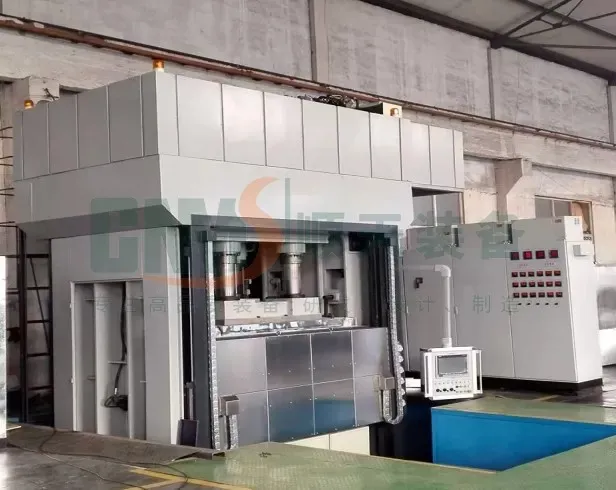
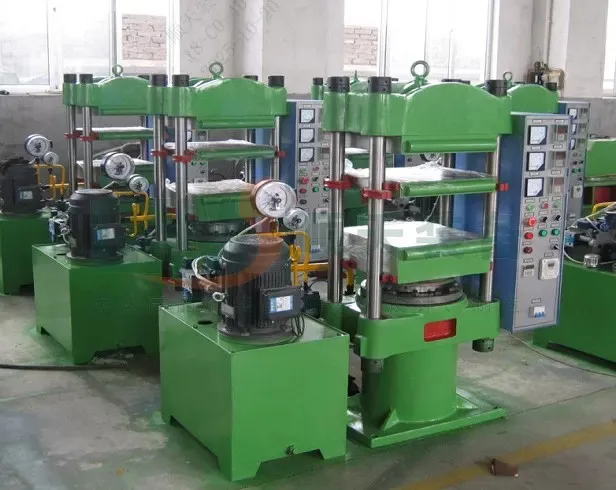
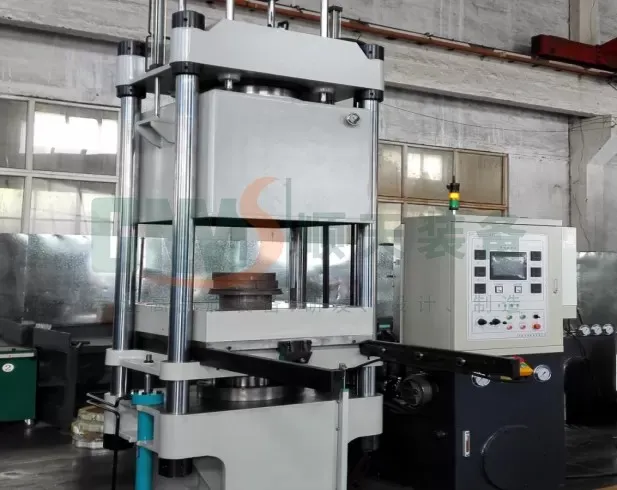
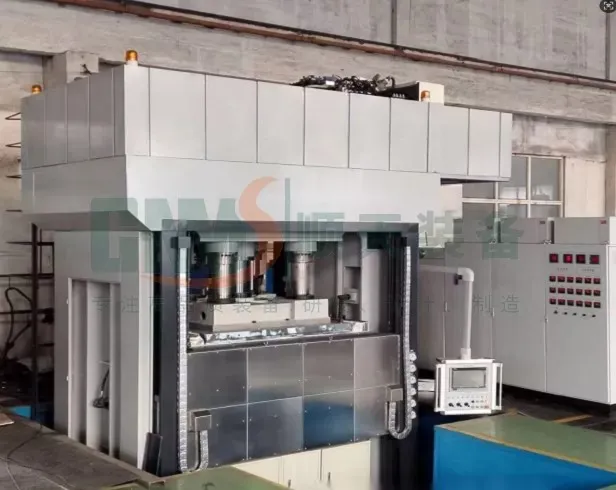
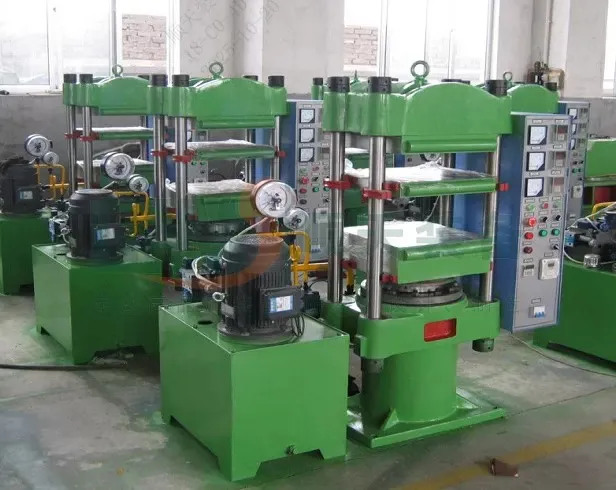
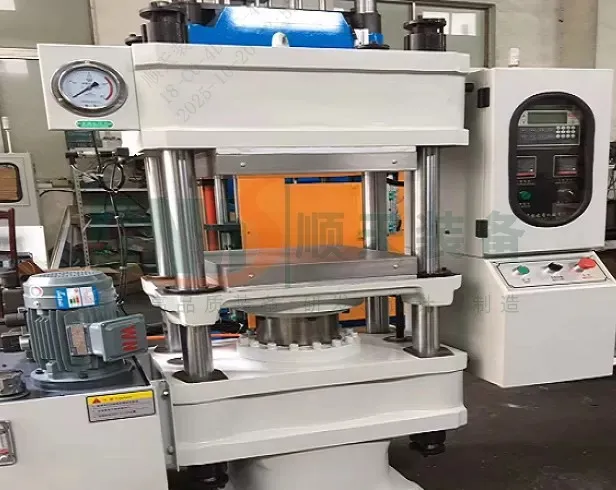
  2. Tools: Investing in hydraulic presses with adjustable stroke lengths allows for precise control over the stamping depth.
  3. Prerequisites: A thorough understanding of your Metal Bipolar Plate Assembly Line is vital. This includes familiarity with CAD software to design your plates accurately and simulations to foresee potential defects.

Step-by-Step Guidance to Improve Stamping Accuracy

Follow these actionable steps to enhance stamping accuracy effectively:
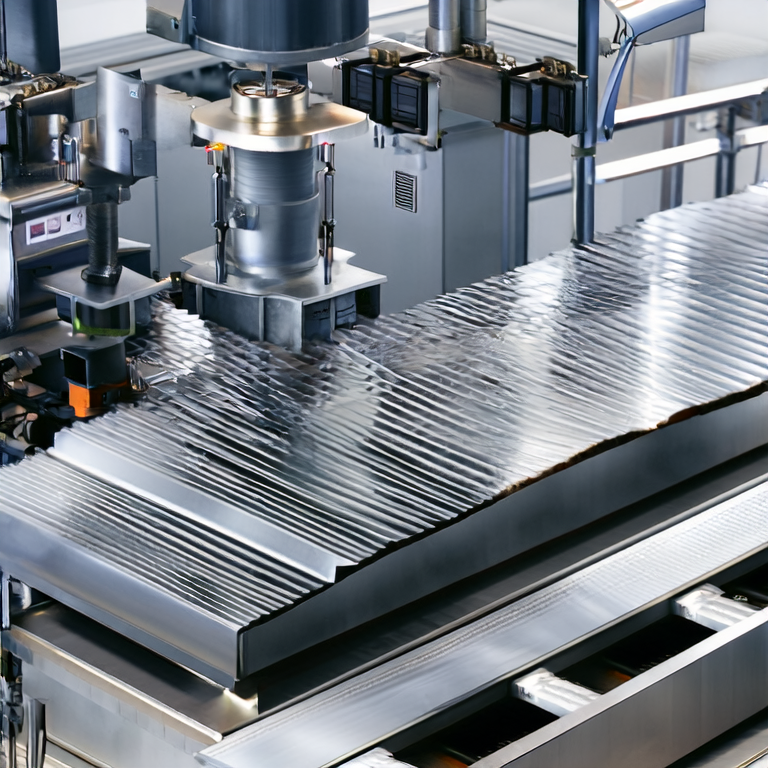
  1. Step 1: Design Optimization - Use CAD software to craft prototypes, focusing on dimensions with tolerances no greater than ±0.1 mm to ensure fitting in fuel cell stacks.
  2. How to improve stamping accuracy in bipolar plate forming
  3. Step 2: Tool Calibration - Regularly calibrate stamping tools. Aim for alignment errors below 0.01 mm to minimize discrepancies in the produced plates.
  4. Step 3: Material Preconditioning - Precondition your materials at controlled temperatures (around 100°C) to reduce brittleness during the stamping process. This can improve yield by up to 15%.
  5. Step 4: Implementing Progressive Dies - Use progressive dies to perform multiple operations in one stroke. This can enhance accuracy and efficiency, reducing cycle times by about 25%.
  6. Step 5: Quality Control Measures - Incorporate real-time monitoring systems to track the key metrics such as thickness variance and surface defects, which can lead to immediate corrections. Studies show that these systems can improve defect detection rates by 50%.
  7. Step 6: Post-Processing Techniques - Apply polishing or surface treatments post-stamping to enhance the electrical conductivity of the bipolar plates, achieving up to 10% efficiency gains in energy transfer.

Common Errors and Solutions

User feedback often highlights common errors in the stamping process. Here are solutions to these issues:

  • Error 1: Uneven Plate Thickness – Solution: Regularly check the die wear and replace or re-sharpen them as necessary to maintain uniform pressure distribution.
  • Error 2: Misalignment during Stamping – Solution: Ensure that all machinery is accurately aligned and employ sensors to detect misalignments before pressing.
  • Error 3: Surface Defects – Solution: Adjust material handling to avoid contamination and inspect tools for wear that could affect surface finish.

Summary and Suggestions

Improving stamping accuracy in the Metal Bipolar Plate Assembly Line is vital for enhancing product quality and reducing production costs. By adopting a systematic approach to design, tool calibration, and implementing real-time monitoring, manufacturers can achieve better consistency and precision. Not only does this lead to higher yield rates, but it also improves the overall performance of fuel cells.

FAQ

  • Q1: What materials are most suitable for bipolar plates?
  • A1: Stainless steel and graphite composites are commonly used due to their high strength and corrosion resistance.
  • Q2: How can I reduce the cycle time in stamping?
  • A2: Implementing progressive dies can significantly cut down cycle time while maintaining accuracy.
  • Q3: What tools are essential for ensuring high-quality stamping?
  • A3: Hydraulic presses, quality sensors, and real-time monitoring systems are essential for high-quality outcomes.

Your privacy is always our top priority.

To ensure the proper functioning of our website's core features and to continuously enhance your experience, we utilize cookie technology. You may manage your preferences at any time through your browser settings. Please note that certain cookies are essential for the website to operate. By continuing to browse this website, you consent to our use of cookies in accordance with our relevant terms. Thank you for your understanding and support.