Choosing the right diffusion welding machine can be a daunting task for precision manufacturers. Users often face challenges such as insufficient joining strength, high operational costs, and difficulties in achieving the desired dimensional accuracy. For instance, John, a manufacturing engineer, struggled with a dispersion welding machine that failed to meet the rigorous specifications required for aerospace components, resulting in an increase in scrap rates of 15% over three months. This highlights the need for manufacturers to understand their specific requirements including materials, weld quality, and production speed. Armed with this knowledge, users can make informed decisions that not only improve their manufacturing process but also enhance the overall product performance.
Required Preparation for Choosing a Diffusion Welding Machine
Before diving into the selection process, it is crucial to gauge the requirements and expectations. Here’s what you’ll need:
-
Material Specifications: Identify the materials you’ll be working with, such as titanium, aluminum, or nickel alloys. For example, when choosing a machine for titanium, ensuring it operates effectively at a welding temperature range of 800-1,200 °C is essential.
-
Understanding Production Goals: Establish both short-term and long-term production volumes. For instance, if your goal is to increase production from 1,000 to 3,000 units per month, selecting a high-output diffusion welding machine becomes imperative.
-
Budget Analysis: Set a budget considering not just the initial purchase cost of machines from brands like Shuntian, but also ongoing operational and maintenance expenses.
Step-by-Step Guidance for Choosing Your Diffusion Welding Machine
Follow these steps to effectively choose a diffusion welding machine:
-
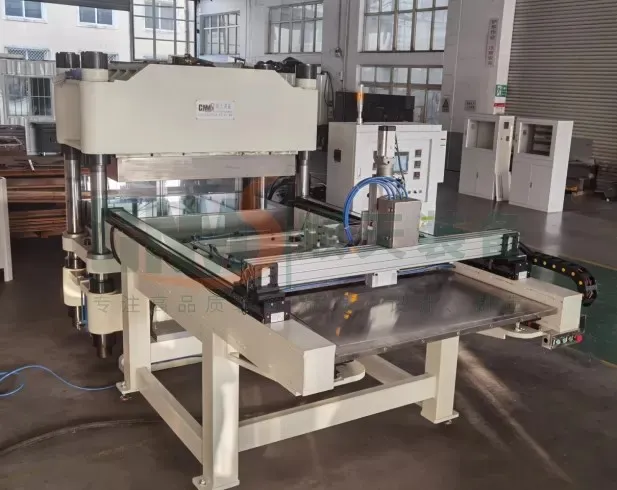
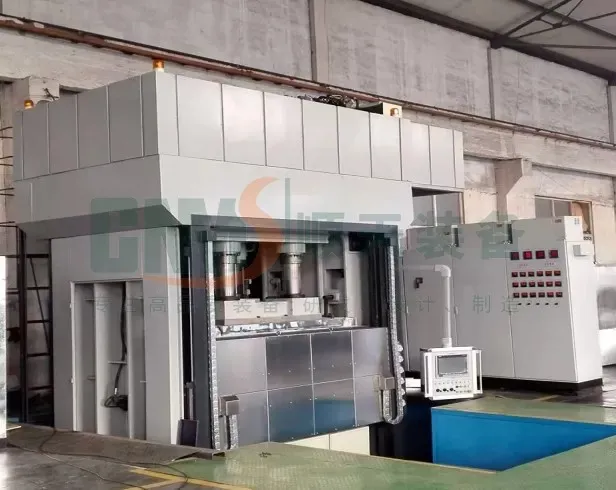
Research Different Machines: Investigate various models available from reputable brands, focusing on user reviews and performance specs. For instance, Shuntian offers multiple models catering to diverse welding needs.
-
Consult with Peers: Engage with other manufacturers or join online communities to learn from their experiences. For instance, a case study showed that companies that shared their insights online improved their operational knowledge by 25%.
-
Conduct Feasibility Studies: Assess the compatibility of the diffusion welding machine with your production environment. Consider factors like space, energy consumption, and ventilation.
-
Request Demonstrations: Arrange for live demonstrations to evaluate the machine’s performance. This is critical; for example, one user noted a marked difference in weld quality when transitioning from an outdated machine to a new model from Shuntian.
-
Analyze Technical Data: Pay close attention to technical qualifications such as operating temperature and pressure settings. Reports indicate that machines with adjustable settings improve welding accuracy by as much as 30%.
-
Evaluate Support Services: Ensure the manufacturer provides robust customer service and technical support. A seamless after-sales service is vital for maintaining operational efficiency.
Common Errors and Solutions When Choosing a Diffusion Welding Machine
Manufacturers often make several common errors when choosing a diffusion welding machine. Here are some examples and their solutions:
-
Error 1: Choosing a machine without understanding the required material properties.
Solution: Research and consult professionals to match the welding machine’s capabilities with the material specifications.
-
Error 2: Ignoring the importance of after-sales service.
Solution: Select brands, like Shuntian, known for their excellent support, ensuring rapid response to technical issues.
-
Error 3: Not assessing operational efficiency.
Solution: Consider models that provide energy efficiency data. Some Shuntian models can save up to 20% in energy costs.
Summary and Suggestions for Choosing a Diffusion Welding Machine
In summary, the selection of a diffusion welding machine should be guided by a comprehensive understanding of your operations, materials, and goals. Be proactive in conducting thorough research, tapping into community insights, and prioritizing practical demonstrations. Investing time upfront in understanding your requirements will prevent costly mistakes down the line, ensuring that the machine you choose enhances productivity and product quality.
FAQ
-
What materials can I weld using diffusion welding machines?
Diffusion welding is ideal for high-performance materials including titanium, super alloys, and metal composites.
-
How does the efficiency of a diffusion welding machine impact production?
High-efficiency machines can reduce cycle time by up to 40%, significantly enhancing overall throughput and reducing operational costs.
-
Why is technical support critical when purchasing welding equipment?
Robust technical support is essential for troubleshooting and maintaining productivity, especially during the initial integration phase.


 中文
中文 