January 09, 2026
In the global transition towards a green and low-carbon energy structure, hydrogen energy, particularly green hydrogen, is emerging as a critical strategic pillar. Proton exchange membrane (PEM) water electrolysis technology, prized for its rapid response, flexible load regulation, and high-purity hydrogen output, is regarded as a core technical pathway for future green hydrogen production. However, to achieve the scaled-up and cost-effective manufacturing of PEM electrolyzers, it is imperative to overcome the bottlenecks in efficiency, consistency, and flexibility inherent in traditional production models. The flexible PEM electrolyzer production line has thus emerged as a solution. It is not merely an integration of advanced equipment, but rather an intelligent automated stack assembly system that embodies a deep fusion of modular design and flexible manufacturing principles.
1. Full-Process Automation: Reshaping a High-Precision, High-Consistency Production Paradigm
An advanced flexible production line establishes a seamless, automated closed-loop from raw materials to finished products:
● Lean Front-End Processing: The line begins with automated cleaning and high-precision inspection of bipolar plates. This ensures the cleanliness and quality of these core components from the very start, laying a solid foundation for subsequent processes.
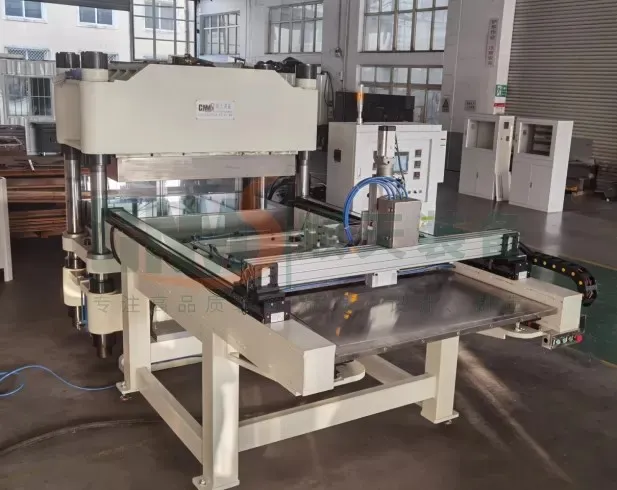
● Precision Assembly Core Stages: Vision-guided precision dispensing and fully automated gasket mounting enable accurate control at a microscopic scale, effectively guaranteeing the long-term gas tightness and safety of the stack. The automated lamination and assembly of multiple layers (membrane electrode assemblies, bipolar plates, etc.), facilitated by robots or precision positioning systems, ensures the precise alignment of each layer, eliminating human error.
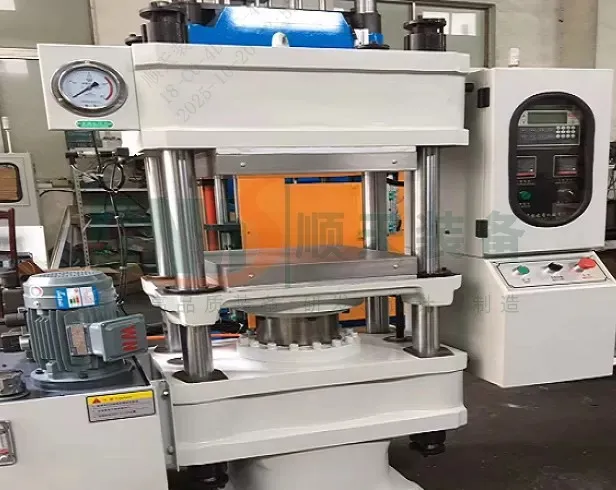
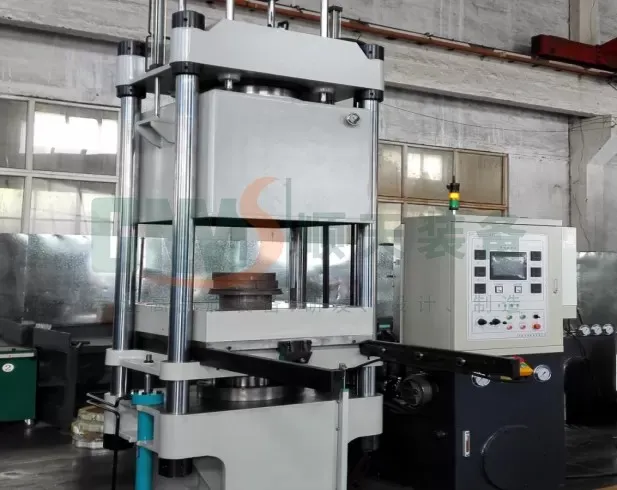
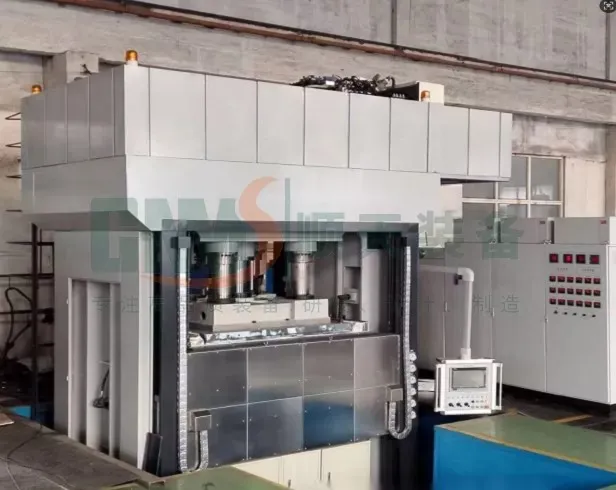
● Intelligent Compression and Fastening: A hydraulic servo compression system is employed to precisely control the pressure and displacement curve during the clamping process, ensuring uniform contact resistance within the stack. Subsequently, automated stud insertion and intelligent bolt tightening units complete the fastening with consistent torque and sequence, guaranteeing even force distribution across the stack and enhancing product lifespan.
● Comprehensive Quality Verification: Integrated online quality inspection, including leak testing and internal resistance measurement, achieves integration of "production and inspection." Any non-conforming product is automatically identified and removed, ensuring the absolute reliability of outgoing products. Finally, laser marking assigns a unique "digital identity" to each stack, facilitating full lifecycle traceability.

2. The Core of Flexibility: Enabling Rapid Model Changeover and Capacity Expansion
"Flexibility" is the core spirit of this production line, primarily manifested in:
● Hardware Flexibility – A Highly Adaptable Platform: Equipped with rigid modular carriers and quickly adjustable positioning mechanisms, the line can adapt to the production of PEM stacks in various sizes and specifications (e.g., different active areas) without changing the main equipment body. This is achieved through program calls and minimal fixture changeovers, perfectly meeting demands for customization and small-batch orders.
● System Flexibility—The Digital Nerve Center: Through deep integration with the Manufacturing Execution System (MES), it enables full-process visual monitoring and comprehensive data traceability of the production process. The MES system not only schedules production tasks and manages materials in real time but also collects and analyzes massive volumes of process data—such as clamping force, bolt torque, and inspection results—providing robust data support for process optimization and product quality analysis.
● Capacity Flexibility – A Scalable Architecture: Designed based on a modular concept, the production line possesses inherent high stability and rapid capacity expansion capability. When market demand increases, capacity can be swiftly scaled up by replicating standard workstation modules or extending line cycle times, significantly reducing investment risks and lead times for expansion.

3. Beyond Manufacturing: Building Future-Oriented Competitiveness
The value of a flexible PEM electrolyzer production line extends far beyond improving efficiency and yield rates.
● A Vessel for Solidifying Scientific Processes: It embeds validated optimal process parameters into the equipment and systems, reducing reliance on individual operator experience and enabling the rapid replication and transfer of high-level manufacturing capability.
● A Key Pathway to Cost Reduction and Efficiency Gain: High automation reduces direct labor costs. Exceptional consistency lowers rework and scrap rates. Flexibility minimizes changeover times and work-in-process inventory. Together, these factors drive down the manufacturing cost of stacks from multiple dimensions, accelerating the journey towards cost-competitive green hydrogen.
● Data-Driven Continuous Optimization: The massive data generated by the production line is a valuable "digital asset." Analyzing this data enables continuous feedback for design optimization and process improvement, achieving iterative upgrades for both the product and manufacturing capability.
● A Foundation for Rapid Market Response: Facing rapid technological iteration and diverse application scenarios (e.g., power plants, integrated hydrogen production and refueling stations, offshore platforms), a flexible production line allows manufacturers to respond nimbly, quickly launching adapted new products to seize market opportunities.
The flexible PEM electrolyzer production line has transcended the scope of traditional production tools, becoming strategic infrastructure for hydrogen equipment manufacturers to build core competitiveness. It represents a modern manufacturing philosophy characterized by informatization, high reliability, and scientific rigor, serving as a critical bridge connecting innovative design with scaled, commercial application. As the green hydrogen industry experiences explosive growth, investing in flexible, intelligent manufacturing capability is not merely a choice for improving current production efficiency; it is a strategic layout to secure a competitive edge in the future hydrogen energy market. With its high degree of flexibility and intelligence, it is driving green hydrogen manufacturing into a new era of efficiency, precision, and reliability.


 中文
中文