December 30, 2025
Amidst the tide of the energy transition era, hydrogen fuel cell technology has emerged as a key focus in the global clean energy landscape due to its distinct advantages of zero emissions and high efficiency. As the core component of fuel cells, the manufacturing quality of the membrane electrode assembly (MEA) directly determines the cell's core performance, durability, and commercialization prospects. With the industrialization process accelerating at full scale, the automated production lines for hydrogen fuel cell membrane electrodes is no longer merely a production tool but a crucial engine driving the industry toward higher quality, improved efficiency, cost reduction, scale expansion, and the realization of large-scale commercial adoption.
How Automation Transforms MEA Production
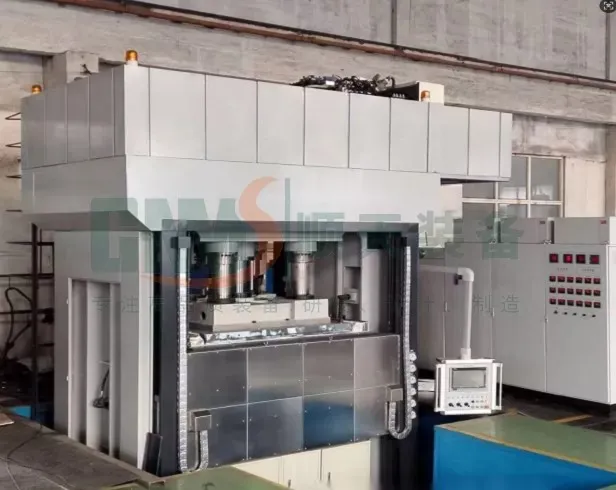
Traditional MEA manufacturing often relies on manual work, leading to inconsistent quality, slow output, and higher costs. Automated production lines change this completely. By bringing together precision coating, automated alignment, and smart pressing, these lines achieve complete automation from start to finish.
Key technological advances include:
●High-precision vision systems that align components within micrometers.
●Adaptive pressure control that adjusts in real time for optimal results.
●Real-time quality monitoring using sensors and imaging to detect defects instantly.
These innovations deliver clear results: defect rates drop below 0.5%, while productivity increases by over 300%. This lays a strong foundation for mass-producing high-quality, low-cost fuel cells.

Real-World Applications and Cost Benefits
Leading manufacturers in China and beyond are now operating fully automated MEA lines capable of producing hundreds of thousands of square meters per year. These lines serve various needs—from commercial vehicles and backup power systems to heavy-duty transport.
Automation doesn’t just boost output—it reshapes production. Standardized, scalable processes cut MEA costs by 40–50% compared to older methods. This is a big step toward making hydrogen fuel cells affordable for everyday use.
In sectors like passenger cars, where consistency and safety are critical, automated lines provide the reliability and traceability that automakers require. For long-life applications such as power generation and freight transport, automation ensures the durability needed to maximize value over time.
Companies are now making these lines even smarter and more flexible, using digital tools to reduce downtime and further lower costs. As production scales up, MEA prices are expected to keep falling, helping hydrogen fuel cells compete with conventional energy sources.
Trends and Challenges Ahead
As more countries embrace hydrogen strategies, MEA production is evolving in three key directions:
●Flexible manufacturing that adapts quickly to different product designs.
●Digital integration with factory systems for full production traceability.
●Localization of key equipment to reduce costs and supply chain risks.
Still, the industry faces hurdles—including a shortage of skilled workers, uneven standards, and reliance on some imported materials. Overcoming these challenges will require collaboration across the supply chain, along with continued innovation in technology and training.
For investors, businesses, and policymakers, supporting this technology means supporting a cleaner, more efficient energy future. By improving how fuel cells are made, we can accelerate their adoption and help build a sustainable world for generations to come.


 中文
中文