June 08, 2026
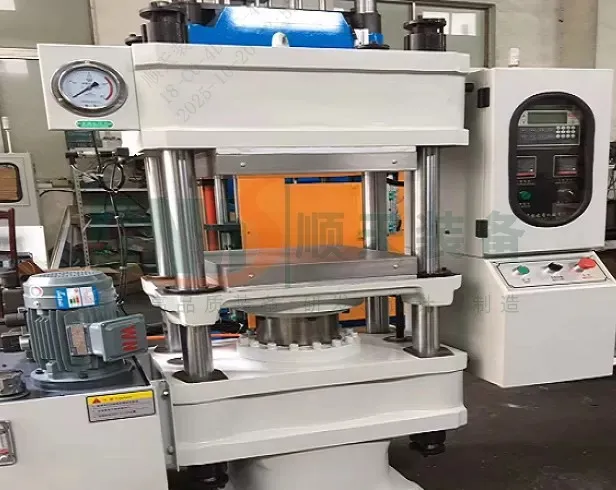
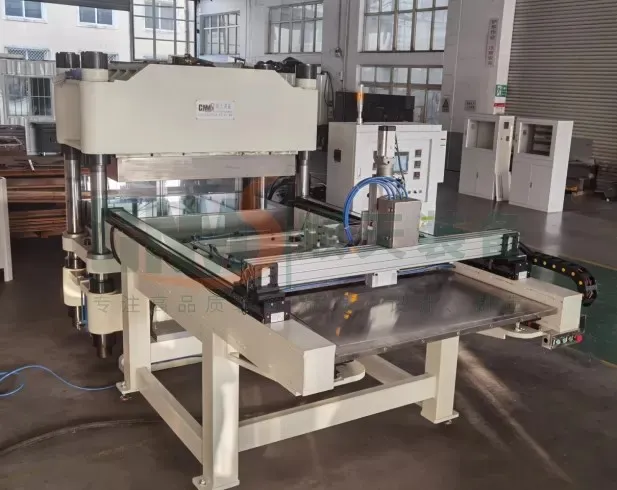
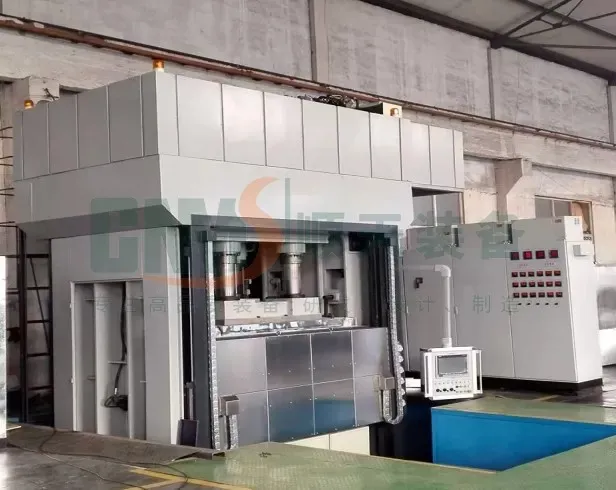
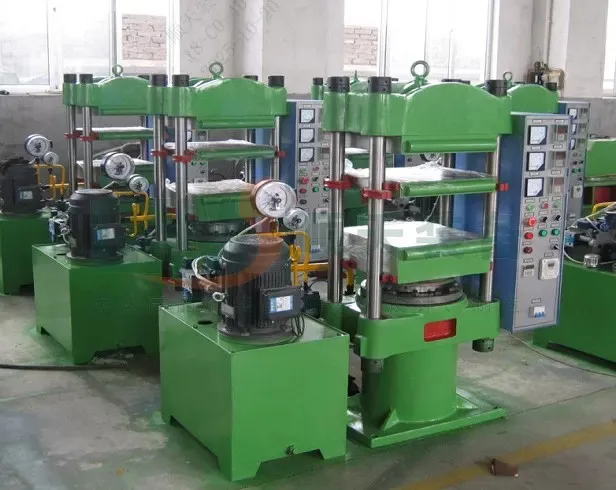
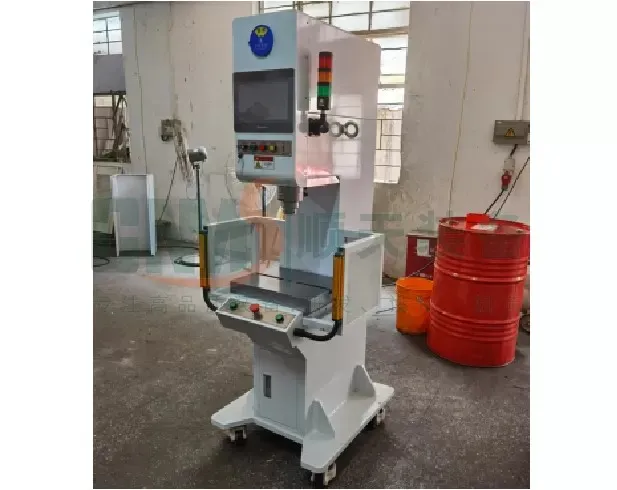
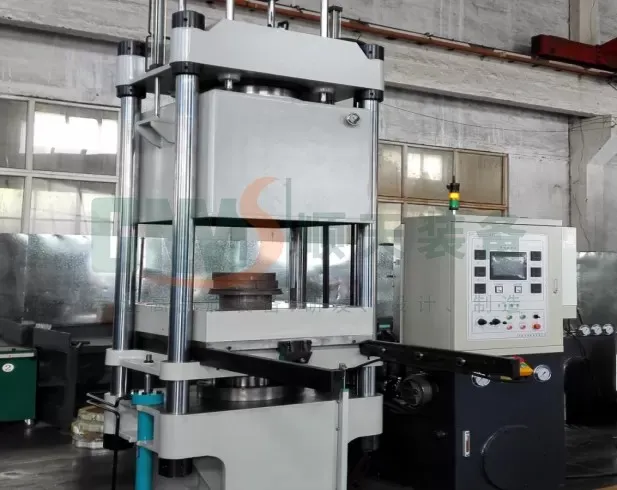
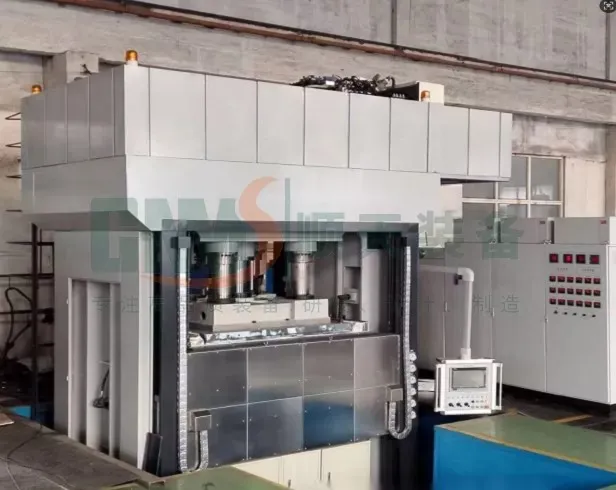
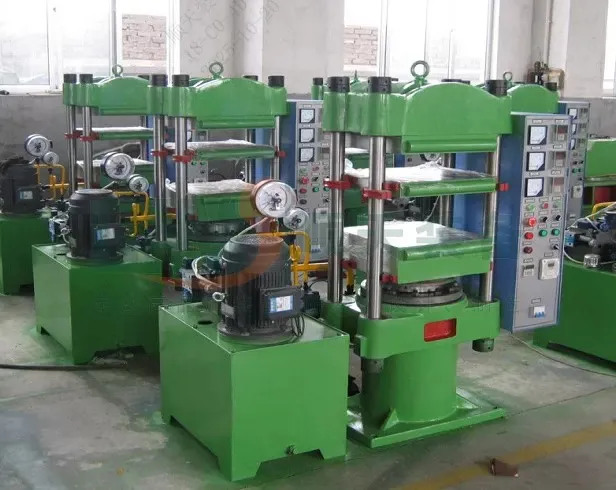
Membrane electrode lamination is a critical process in the production of fuel cells, particularly in the manufacturing of Proton Exchange Membrane (PEM) fuel cells. This technique involves the precise layering of membranes and electrodes using equipment such as the MEA Hot Press Machine. Its primary objective is to enhance fuel cell efficiency by ensuring maximum contact between the membrane and electrodes, which in turn boosts overall performance. Understanding this process, particularly the common issue of bubble formation during lamination, is vital for businesses looking to optimize production and guarantee product quality.
Historically, the lamination process was often manual and reliant on basic pressing mechanisms. However, with advancements in technology, modern systems, like the MEA Hot Press Machine, have revolutionized the industry. These machines provide controlled pressure and temperature, adhering to standards such as ASTM D792 and DIN 53529 for material testing, ensuring durability and reliability in fuel cell performance. The evolution of lamination technology signifies the importance of precision in achieving high-quality fuel cells, catering to the growing demand for sustainable energy solutions.
In practical applications, membrane electrode lamination offers significant benefits. By minimizing the distance between the membrane and electrodes, it improves ionic conductivity and electron transfer, crucial for efficient energy conversion in fuel cells. Moreover, optimized lamination can lead to increased power output and longevity of the fuel cells, thus driving down operational costs for businesses involved in energy production. In sectors like automotive, aerospace, and stationary energy storage, high-performance fuel cells can provide sustainable alternatives to conventional power systems.
Despite its advantages, there are common misconceptions related to membrane electrode lamination. A prevalent error is assuming that increased pressure always yields better results. In fact, excessive pressure can lead to bubble formation, which compromises the integrity of the lamination. Bubbles can act as barriers to ionic and electronic flow, significantly degrading fuel cell performance. Furthermore, uneven application of heat and inadequate drying times can also contribute to bubble formation, leading to costly rework or scrapping of defective products.
To illustrate, consider a case study involving a leading fuel cell manufacturer that integrated the MEA Hot Press Machine into their production line. They reported a 30% reduction in bubble-related defects after implementing controlled lamination parameters. By adhering to quality standards and utilizing state-of-the-art equipment, this company not only improved their product reliability but also enhanced customer satisfaction and gained a competitive edge in the market.
In summary, membrane electrode lamination is a pivotal process in fuel cell manufacturing, significantly impacting operational efficiency and product quality. Understanding the reasons behind bubble formation during this process is essential for ensuring that businesses can mitigate these issues effectively. By exploring advanced technologies like the MEA Hot Press Machine and adhering to established standards, manufacturers can enhance their production processes. For those seeking to delve deeper into improving their fuel cell technology, investigating lamination methods and equipment is a crucial next step toward achieving excellence in energy solutions.


 中文
中文