June 18, 2026
Hydrogen production technology is an essential element of the contemporary energy landscape, representing various processes aimed at generating hydrogen gas. This gas is considered a clean fuel and energy carrier, possessing immense value for businesses focusing on sustainability and innovation. Efficient hydrogen production technology not only supports renewable energy sources but also plays a critical role in industries such as transportation, manufacturing, and power generation.
To appreciate the scalability of hydrogen production technologies, it is vital to consider their historical evolution. Initially, hydrogen was derived mainly through steam methane reforming (SMR) of natural gas. Over the last two decades, advancements like electrolysis, biomass gasification, and even innovative methods such as photoelectrochemical hydrogen production have emerged. Each technology has its unique strengths and limitations, heavily influenced by factors like resource availability and economic feasibility. Furthermore, according to recent reports, hydrogen production from renewable sources is anticipated to grow at a compound annual growth rate (CAGR) of over 20% in the coming years, underscoring an urgent need for scalable solutions.
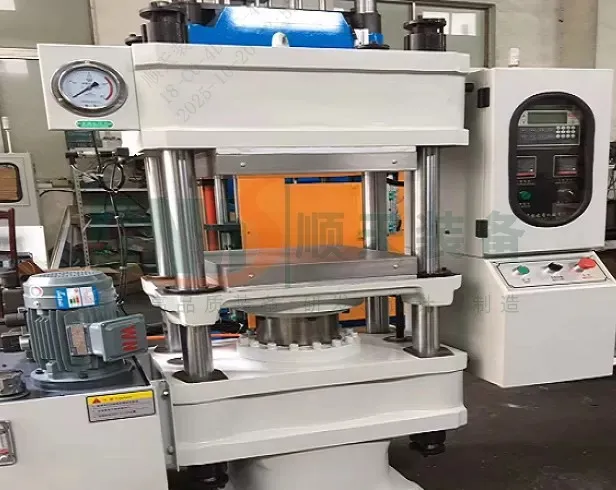
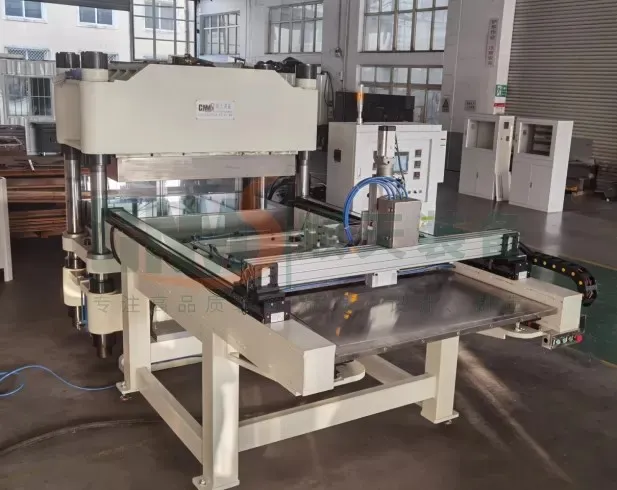
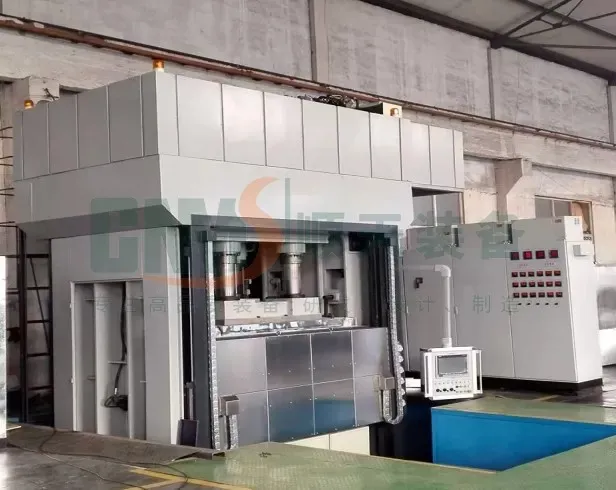
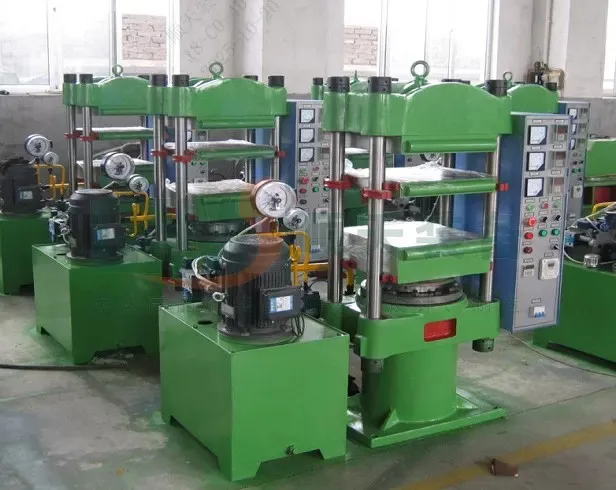
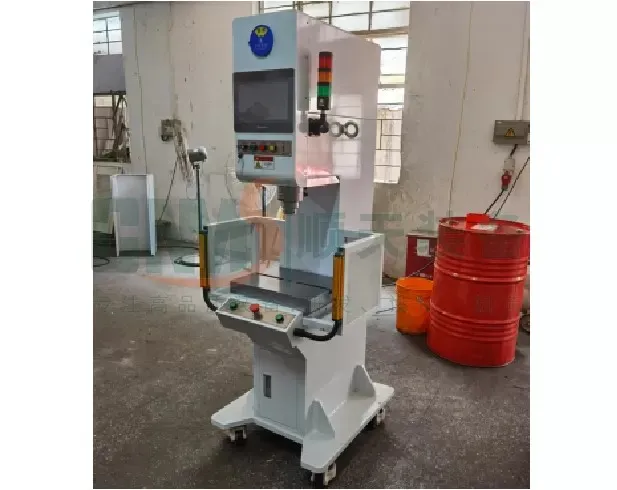
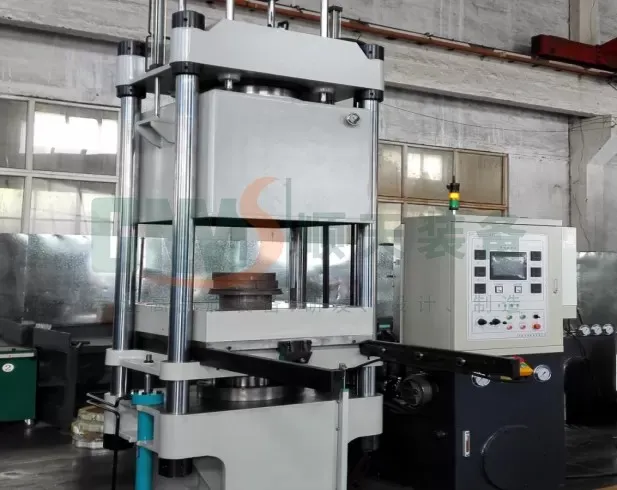
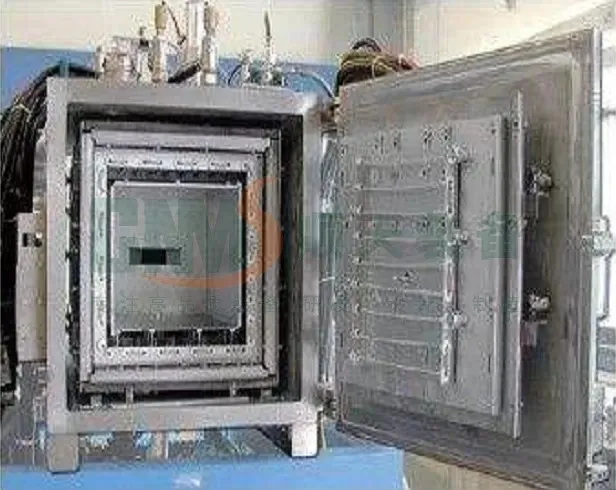
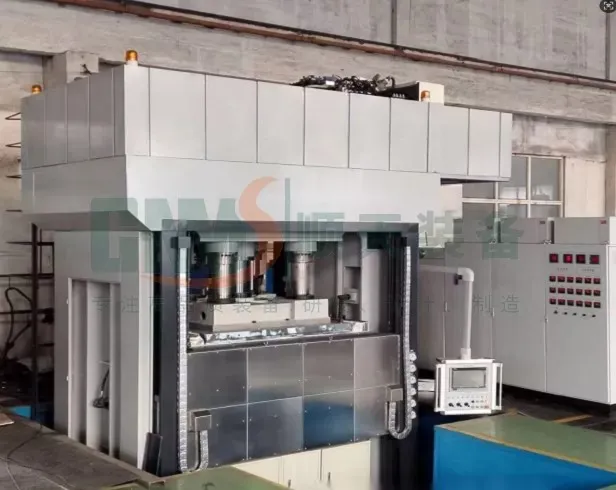
The practical applications of these technologies are vast and impactful. For instance, electrolyzer systems, utilized extensively in industries, can achieve efficiencies between 60% and 80%, translating directly into cost-effectiveness and minimal environmental impact. Companies like Shuntian are at the forefront, providing Hydrogen Production Equipment that adheres to industry standards such as ASTM D4030 and ISO 14687 for quality and performance. Implementing this equipment allows industries to transition toward greener practices while ensuring compliance with regulatory frameworks.
However, misconceptions surrounding hydrogen production technologies abound. A common error is to assume that all methods yield the same efficiency and environmental benefits. In reality, the performance varies significantly. For example, while SMR is widely implemented, it is carbon-intensive. In contrast, green hydrogen produced via electrolysis can significantly reduce carbon footprints if powered by renewable electricity sources, making it a far more scalable option for companies aiming to innovate sustainably.
Real-world examples highlight these differences. Take the case of Shuntian’s Hydrogen Production Equipment, which has been successfully deployed in various industrial settings. One notable case involves a manufacturing plant that transitioned to hydrogen fuel, utilizing a dedicated electrolyzer capable of producing 1,000 kilograms of hydrogen per day. This not only met their operational needs but also reduced greenhouse gas emissions by over 30%, illustrating the tangible benefits of modern hydrogen production technologies.
In summary, understanding which hydrogen production technology is more scalable involves deciphering various aspects, such as efficiency, environmental impact, and compliance with industry standards. Shuntian offers comprehensive Hydrogen Production Equipment capable of addressing the pressing challenges faced by businesses today. As the market continues to evolve, such technologies will be pivotal for companies striving to meet their sustainability goals while capitalizing on the vast potential of hydrogen as a clean energy source. Exploring these innovations further could yield transformative results for industries worldwide.


 中文
中文