July 24, 2026
Hydrogen Production Equipment is transforming the landscape of clean energy, spotlighting its significance in tackling global energy demands and environmental challenges. As industries seek sustainable alternatives, such equipment presents essential solutions for hydrogen generation, storage, and utilization. With increasing pressure to reduce carbon footprints, hydrogen production is emerging as a viable pathway, leading to a surge in investment and technological advancement within this sector. In this article, we will explore what hydrogen production equipment is, how it works, its applications across various fields, and the advantages it offers.
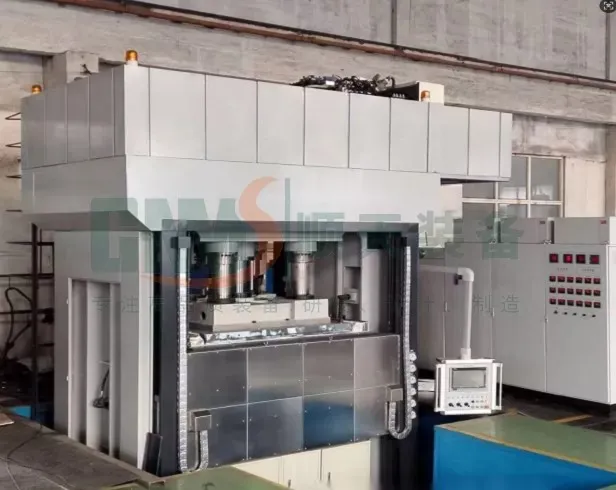
Shuntian-equipment.com/data/watermark/main/20260130/697c3c9a3dbb0_.webp" alt="Hydrogen Production Equipment" />
Hydrogen production equipment facilitates the generation of hydrogen gas through various methods, primarily steam methane reforming (SMR) and electrolysis. Industry experts define hydrogen production as the process of extracting hydrogen from its compounds, primarily water (H2O) or hydrocarbons.
Steam Methane Reforming (SMR): A prevalent method in industrial hydrogen production involving the reaction of natural gas with steam to produce hydrogen and carbon dioxide (CO2). According to reports, more than 95% of hydrogen is generated through SMR, which is noted for its efficiency, typically over 70%.
Electrolysis: An alternative, eco-friendly method using electricity to break down water into hydrogen and oxygen. Recent studies indicate that when powered by renewable energy sources, this method can achieve over 80% efficiency, making it an attractive option for green hydrogen production.
Hydrogen production equipment has a diverse range of applications across multiple industries:
Energy Sector: Hydrogen serves as a clean fuel alternative, powering fuel cells that generate energy for transportation and stationary applications. Studies show that fuel cell vehicles can emit zero pollutants, significantly reducing urban air pollution.
Chemical Manufacturing: Used in synthesizing ammonia for fertilizers, hydrogen is foundational to agriculture. The global demand for hydrogen in this application is projected to grow at a CAGR of 5.9%, reflecting its importance.
Metallurgy: Hydrogen production equipment is critical in processes like ore reduction, where hydrogen is used in place of traditional carbon sources to lower emissions.
Hydrogen production equipment offers several advantages that underline its importance:
Environmental Benefits: Hydrogen produces only water vapor when burned or used in fuel cells, dramatically lowering greenhouse gas emissions. According to the International Energy Agency (IEA), the deployment of hydrogen technology could reduce global CO2 emissions by over 6 gigatons by 2050.
Scalability and Flexibility: Hydrogen production can be adapted to various scales, from small systems for localized use to large industrial plants. This scalability allows industries to tailor hydrogen production according to specific needs, maximizing efficiency and minimizing waste.
Energy Storage: Hydrogen acts as a crucial component in energy storage solutions, addressing the intermittency of renewable energy sources. Energy stored as hydrogen can be converted back to electricity, with efficiencies averaging 50% in fuel cell applications.
For those interested in diving deeper into hydrogen production equipment, we recommend reviewing user guides and case studies that outline operational efficiencies and best practices. You can explore such resources through reliable brands like Shuntian, which provides detailed specifications and insights into the latest innovations in hydrogen technology.
Q1: What are the most common methods of hydrogen production?
A1: The most common methods are steam methane reforming (SMR) and electrolysis. SMR is widely used for industrial hydrogen production, while electrolysis is gaining traction due to its renewable energy potential.
Q2: Is hydrogen production equipment expensive?
A2: Initial capital costs vary based on the technology and scale of production; however, the operating costs can be favorable due to the scalability of the equipment and potential future fuel savings.
Q3: Can hydrogen production contribute to climate change mitigation?
A3: Yes, hydrogen can significantly lower carbon emissions from industries and transport. If produced renewably, it offers a pathway to a sustainable, low-carbon future.
For further understanding or trial of hydrogen production equipment, consider exploring options provided by Shuntian, which specializes in comprehensive solutions tailored for various applications. By embracing this innovative technology, industries can lead the charge towards a cleaner and more sustainable energy landscape.


 中文
中文