May 25, 2026
In the landscape of industrial machinery, the Servo-Hydraulic Press stands out for its precision and efficiency. This machine has revolutionized how manufacturers approach production, offering solutions that address critical pain points, such as energy consumption and operational costs. Traditionally, hydraulic presses have been challenged by operational inefficiency and variability in output, often leading to increased costs and lower productivity. The introduction of servo-driven technology addresses these issues, providing a more reliable and energy-efficient option that enhances production output while reducing overall expenses. In this article, we will explore the functionality, applications, and advantages of the Servo-Hydraulic Press, making it a crucial component in contemporary manufacturing.
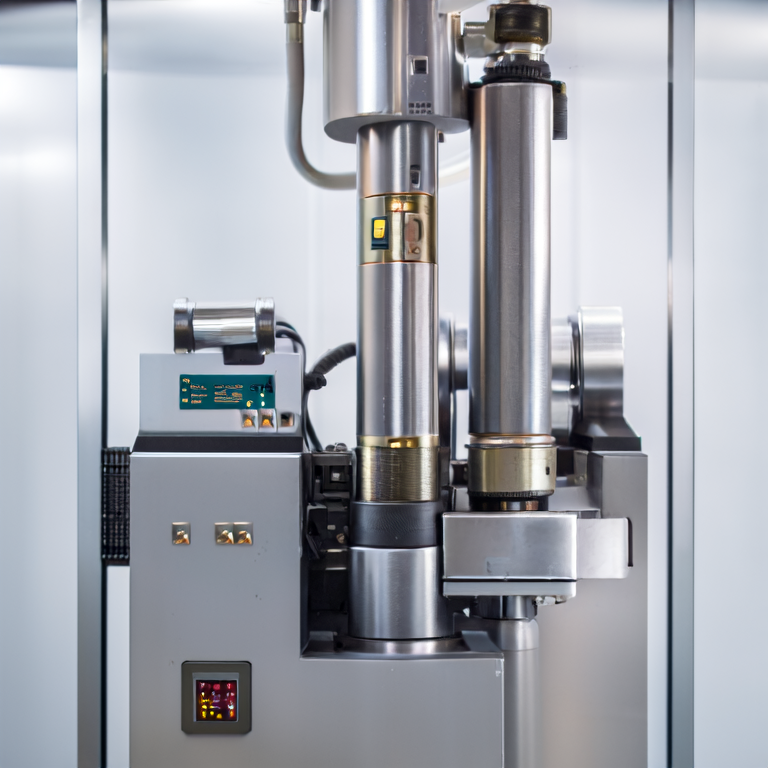
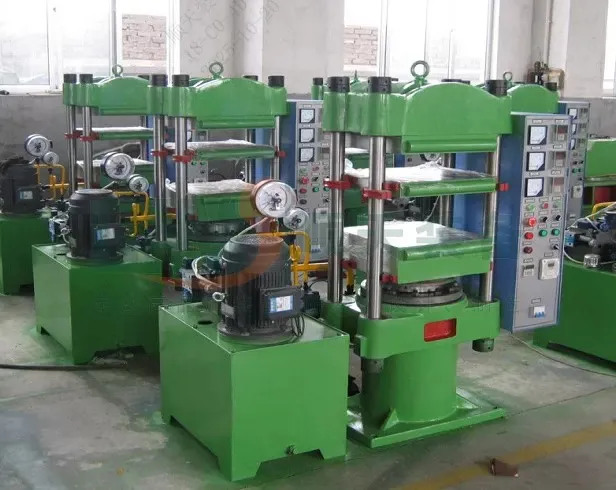
A Servo-Hydraulic Press is a type of hydraulic press that utilizes servo motor technology to achieve precise control over hydraulic fluid flow and pressure. Unlike traditional hydraulic presses, which use a constant flow of hydraulic fluid, servo-hydraulic presses adjust the fluid flow dynamically based on real-time feedback from sensors. This innovation allows for more accurate control, reduced energy consumption, and improved cycle times. An analysis by the National Institute of Standards and Technology (NIST) states that servo-hydraulic systems can achieve efficiency improvements of up to 30% compared to their traditional counterparts. Thus, the servo-hydraulic press plays a significant role in modern manufacturing processes.
Servo-hydraulic presses find applications across a diverse range of industries. Common applications include:
Automotive Manufacturing: Used for stamping, forming, and assembly of automotive parts, servo-hydraulic presses enable higher precision and faster cycle times, which are critical in automotive production lines.
Aerospace: These presses assist in the fabrication of lightweight and strong components essential for aircraft, marrying efficiency with performance.
Medical Devices: The high level of precision needed in medical device manufacturing makes servo-hydraulic presses an ideal choice, ensuring compliance with stringent regulatory standards.
Plastics and Composites: These presses facilitate the molding of complex geometries in composite materials, enhancing product performance and reducing waste.
With the ability to adapt to various operational needs, servo-hydraulic presses are pushing innovation in these sectors, driving both speed and efficiency.
The advantages of using a Servo-Hydraulic Press are manifold:
Energy Efficiency: As mentioned earlier, servo-hydraulic systems can display energy savings of up to 30%. They only use power when required, which reduces operational costs significantly.
Precision Control: Servo-hydraulic presses provide fine control over speed, pressure, and position, enabling manufacturers to achieve tolerances as tight as ±0.01 mm in specific applications.
Reduced Cycle Times: The ability of a servo system to adapt on-the-fly leads to cycle times that are often reduced by 20% to 40%, maximizing productivity without compromising quality.
Low Maintenance: These systems tend to have lower wear rates compared to traditional hydraulic systems, which can save companies on long-term maintenance costs.
Overall, the Servo-Hydraulic Press is crucial for driving advancements across manufacturing domains, making it indispensable in modern industry.
For those looking to deepen their knowledge and operational understanding of servo-hydraulic technology, we recommend consulting the user guide provided by manufacturers like Shuntian. These resources can provide valuable insight into the machine's capabilities, maintenance routines, and ideal handling techniques, helping you optimize your operations with this sophisticated technology.
Q1: What is the typical lifespan of a Servo-Hydraulic Press?
A1: The lifespan of a servo-hydraulic press can vary depending on usage, but with proper maintenance, these presses can operate effectively for 10 to 15 years.
Q2: Are Servo-Hydraulic Presses customizable?
A2: Yes, many manufacturers offer customizable options tailored to specific industry needs, ensuring that operations can be tailored to unique requirements.
Q3: How does the initial cost of a Servo-Hydraulic Press compare to traditional presses?
A3: While the initial cost can be higher (often 20% to 30% more), the energy savings, reduced operational costs, and enhanced productivity often lead to a shorter return on investment.
In conclusion, the Servo-Hydraulic Press is not just another industrial machine; it's a fundamental advancement that enables industries to improve efficiency, precision, and cost-effectiveness. To see how such a system can enhance your production processes, trial opportunities are available, particularly for Shuntian brand products. Understanding the operational benefits of such technology can lead to smarter investments and more successful manufacturing outcomes.




 中文
中文