October 19, 2026
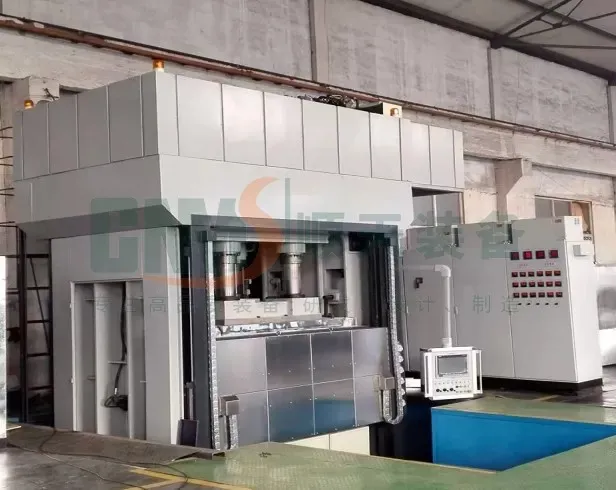
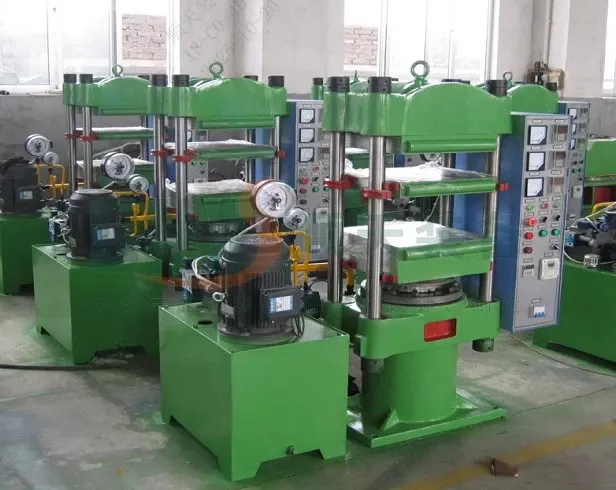
Vacuum forming is a manufacturing process that involves heating a thermoplastic sheet until it becomes pliable, then using vacuum pressure to shape it over a mold. This method is widely utilized for creating lightweight parts and packaging designs.
Advantages:
Disadvantages:
Pressure forming is a more advanced manufacturing process where air pressure is applied to the heated thermoplastic sheet, allowing for more intricate designs and details. This process is particularly beneficial for creating products requiring tighter tolerances and complicated geometries.
Advantages:
Disadvantages:
Users report that vacuum forming machines typically have a longer operational life with less downtime compared to pressure forming machines, primarily due to the simpler mechanics involved. However, pressure forming machines offer more stability during complex operations, with less risk of warping or distortions.
Vacuum forming machines are excellent for low to medium volume production runs, while pressure forming is ideal for high volumes due to its faster cycle time for intricate designs. This delineation helps businesses decide on the right machine based on their production needs and growth projections.
Choosing between vacuum forming and pressure forming machines largely depends on the desired product specifications, budget, and production needs:
Businesses in the packaging, signage, and automotive sectors may find vacuum forming perfectly suitable. In contrast, industries like aerospace, medical devices, and consumer electronics may benefit more from the capabilities of pressure forming.
In conclusion, both Plastic Thermoforming Machines play crucial roles in industrial applications, yet cater to different needs. Understanding the specific advantages and limitations of vacuum and pressure forming allows manufacturers to make informed choices. At Shuntian, we aim to provide you with high-quality thermoforming solutions tailored to your production processes. Explore more at Shuntian-equipment.com/data/watermark/main/20251020/68f5cd047a45f_.webp">Shuntian Equipment.


 中文