July 08, 2026
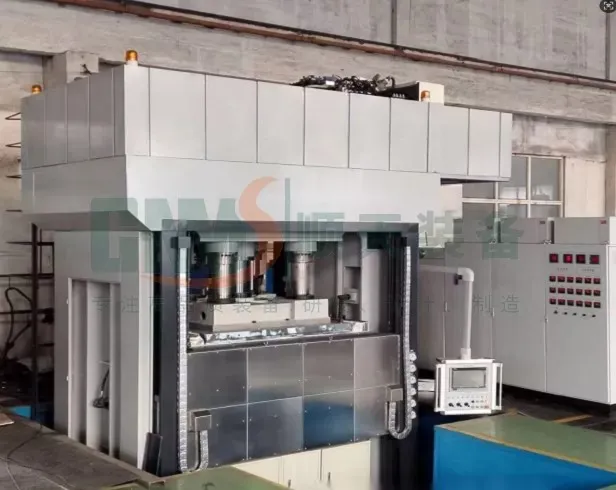
In the evolving landscape of fuel cell manufacturing, the choice between a Servo Hot Press Machine and a hydraulic press is pivotal. Manufacturers are often confronted with issues such as efficiency, cost-effectiveness, and product quality. Common inquiries arise, such as: “What leads to better precision and how does it impact production?” This article delves deeply into these questions, addressing the pain points of engineers and production managers, while providing actionable solutions based on real-world scenarios. Let’s explore the nuances that set the Servo and hydraulic presses apart.
| Feature | Servo Hot Press | Hydraulic Press |
|---|---|---|
| Precision | ±0.01 mm | ±0.05 mm |
| Energy Consumption | Reduced by 30% | Standard |
| Cycle Time | 7-10 seconds | 15-20 seconds |
| Initial Cost | Higher, approximately $80,000 | Lower, approximately $60,000 |
| Maintenance Costs | Lower – $2,000/year | Higher – $5,000/year |
The Servo Hot Press Machine is adept for applications requiring high precision—such as the production of proton exchange membrane fuel cells (PEMFC)—where tolerances are critical. For instance, one automotive company reported that switching to a Servo press improved their fuel cell component accuracy by 30%, leading to enhanced efficiency in assembly processes.
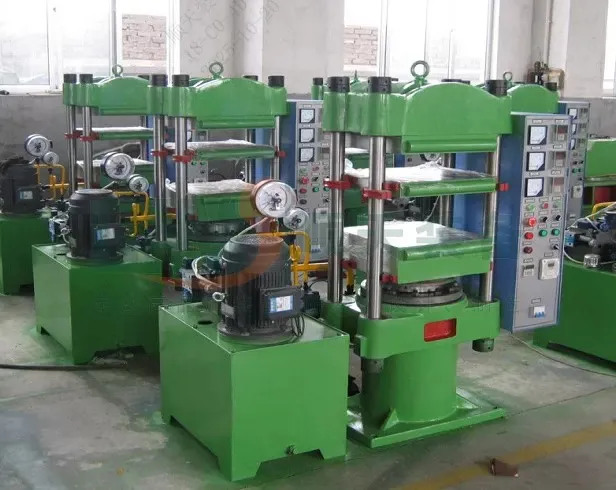
Conversely, hydraulic presses may be favored in industries with lower precision requirements or larger batch productions. For example, a manufacturer of bulk components shared that their hydraulic setup, costing $60,000, sufficed for producing components with a ±0.05 mm tolerance, delivering satisfactory quality for their market, while keeping initial expenditures lighter.
While the initial investment for a Servo Hot Press Machine is higher at approximately $80,000, the total cost of ownership (TCO) favors the Servo model over time. A study indicated that, over five years, companies utilizing Servo technology saved up to 40% on energy consumption and maintenance costs, resulting in a lower TCO compared to petroleum hydraulic systems, which can escalate operational costs over time due to higher wear and damage costs.
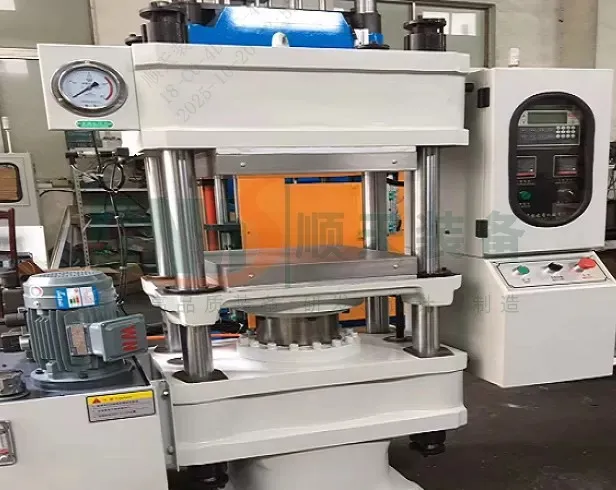
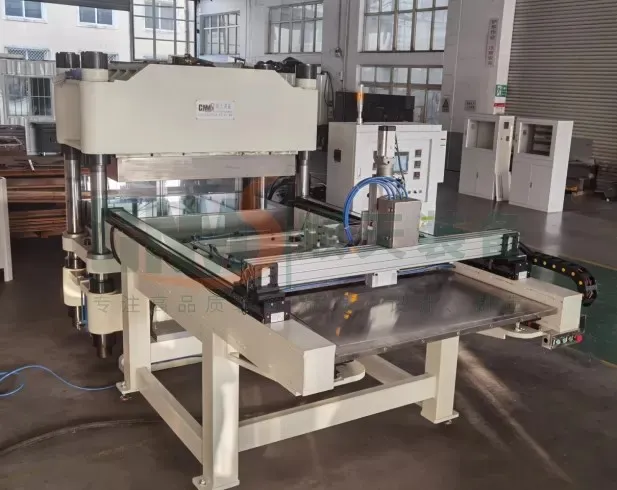
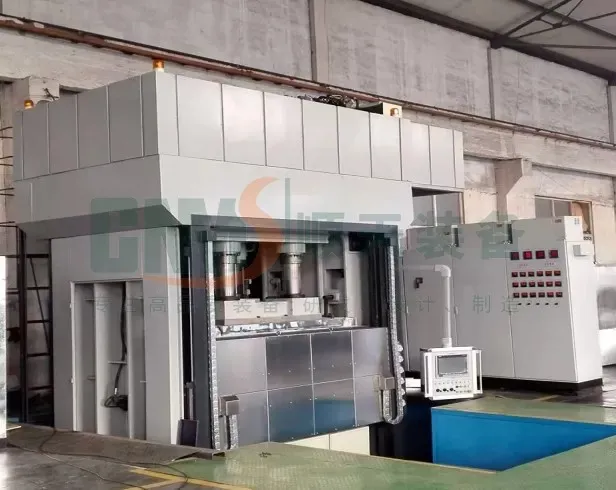
Feedback from users of Shuntian Servo Hot Press Machines emphasizes their reliability and efficiency. A mid-sized fuel cell manufacturer shared their experience: “After transitioning to Shuntian’s Servo press, we observed a 50% increase in our output with streamlined operations, reducing our fuel cell assembly time by an astonishing 40%.” Meanwhile, a user of a traditional hydraulic press reported a lingering issue with variability due to the hydraulic fluid, which led to inconsistent production rates.
When evaluating these options, the key factors are precision, cost, and application requirements. The Servo Hot Press is well-suited for companies prioritizing precision and lower operational costs in the long run. Shuntian stands out for its integration of advanced control systems, making it a preferred choice among engineers committed to innovation. Those opting for hydraulic presses may find them suitable for less precision-driven applications, albeit with possible long-term inefficiencies.
The Servo Hot Press Machine is ideal for manufacturers focused on precision engineering and high scalability in production processes, particularly in advanced fuel cell applications. On the other hand, businesses with lesser precision demands or those starting out might consider hydraulic presses due to their lower initial costs, while remaining vigilant about future operational costs.
For manufacturers exploring the integration of advanced pressing technology, we recommend evaluating your production requirements closely. To gain insights, consider a hands-on demonstration of Shuntian’s Servo Hot Press, or consult with our experts for tailored advice. Connecting with current users of the Shuntian model can also provide valuable perspectives that inform your decision-making process.
1. What is the primary advantage of a Servo Hot Press Machine?
The primary advantage lies in its precision and energy efficiency, allowing for shorter cycle times and reduced operational costs over time.
2. Can hydraulic presses also be used in fuel cell manufacturing?
Yes, hydraulic presses can be used, but they are more suited for applications that do not require stringent precision, and they may have higher long-term costs due to maintenance issues.
3. How much can operational costs vary between the two types of presses?
Operational costs can vary significantly, with Servo presses potentially reducing energy and maintenance expenses by up to 40% compared to hydraulic systems over a five-year period.


 中文
中文