October 16, 2026
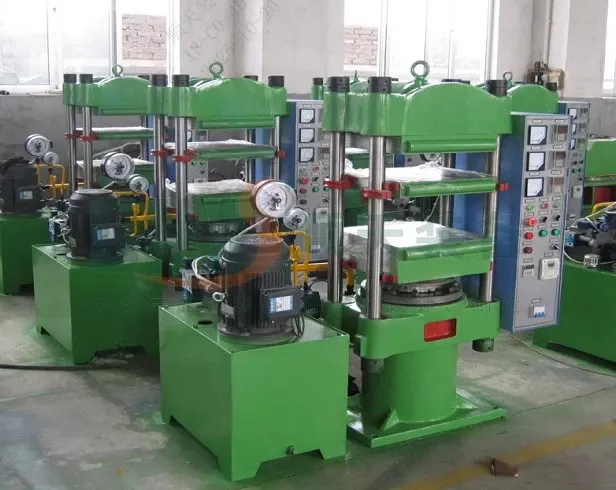
Maintaining a Plate Vulcanizer is critical for ensuring stable production in industries relying on rubber processing. Common issues such as uneven vulcanization, equipment failures, and increased downtime can significantly impact productivity and costs. By implementing effective maintenance practices, facilities can reduce these risks, resulting in improved output quality and operational efficiency. This article offers actionable maintenance tips for operators of plate vulcanizers, focusing on best practices that enhance lifespan and performance.
Why it's important: Cleaning prevents contamination and buildup that can affect vulcanization quality.
Establish a weekly cleaning routine, which includes removing any excess rubber, dust, and debris from the plate surface. Make sure to check critical components such as thermocouples and heating elements during cleaning. Utilizing a designated cleaning solution that is safe for vulcanizing equipment will ensure thorough maintenance without damaging sensitive parts.
This technique is particularly beneficial for high-use environments where residue can accumulate rapidly, affecting performance.
Why it's important: Temperature discrepancies can lead to uneven vulcanization.
Utilize infrared thermometers or thermal imaging cameras to monitor temperature distribution across the plate surface. It is recommended to conduct temperature checks at regular intervals during operation to identify any irregularities. Maintaining a consistent temperature within ±2°C is essential for achieving optimal crosslink density in rubber products.
Operators in facilities using older vulcanizing machines may find this technique especially useful for improving product consistency.
Why it's important: Proper lubrication minimizes friction and wear, thereby extending equipment life.
Learn the correct lubrication points for your specific model of plate vulcanizer from the manufacturer's manual. A bi-weekly application of high-quality grease to moving components such as the hydraulic arms can enhance performance. Regular lubrication contributes to smoother operations and reduces the chances of sudden mechanical breakdowns.
This method is ideal for any user as it applies universally across various models and manufacturers, including Shuntian vulcanizers.
Why it's important: Faulty electrical connections can cause significant downtime due to equipment failures.
Conduct monthly inspections of all electrical connections to ensure they are secure and free from corrosion. Utilize a multimeter to test electrical continuity and check for potential issues within the control panel. Keeping electrical connections reliable ensures uninterrupted operation and can prevent costly breakdowns.
This is highly recommended for operators in environments with high humidity or dust, where electrical components can easily be compromised.
Why it's important: Accurate pressure settings are crucial for optimal vulcanization.
Every 3 to 6 months, calibrate the pressure gauges used in your plate vulcanizer. Utilize a certified calibration tool to ensure that the readings correspond to the actual pressure being applied. Maintaining proper pressure ensures uniform vulcanization across products, which is particularly essential in industries requiring high precision.
This technique is significant for all manufacturers but is essential for those producing technical rubber goods that demand stringent quality standards.
Implementing these maintenance tips for plate vulcanizers can lead to significant improvements in production stability and quality. By focusing on regular cleaning, temperature monitoring, timely lubrication, electrical safety checks, and pressure calibration, you can significantly reduce downtime and improve product consistency. These proactive strategies will ensure optimal performance of your equipment, enhancing your overall manufacturing efficiency.
Q: How often should I maintain my plate vulcanizer?
A: A regular maintenance schedule should be established, with daily cleaning, monthly electrical inspections, and bi-weekly lubrication being recommended practices.
Q: What are the signs of improper vulcanization?
A: Signs include uneven product shapes, variations in hardness, and surface defects. These issues often stem from inconsistent temperature or pressure during the vulcanization process.
Q: Can I perform maintenance myself?
A: If you have adequate training and access to the correct tools, you can perform basic maintenance. However, complex issues should be addressed by qualified technicians.


 中文