January 19, 2026
In the plastics processing landscape dominated by injection and blow molding, the "traditional" technology of hydraulic compression molding is quietly leading an efficiency revolution. By leveraging ultra‑high pressure, exceptional precision, and broad material adaptability, it has overcome numerous industry bottlenecks and is now widely used for automotive lightweight components, high‑end appliances, military composites, and large‑scale integrated molding products.
Yet, with online search results for "plastic hydraulic presses" often cluttered and vague, matching equipment to real production needs remains a challenge. This article examines the core technological strengths of modern plastic hydraulic presses and provides guidance on selecting intelligent systems that truly lower costs, boost efficiency, and sharpen your competitive edge.
Part 1: Beyond Tradition – The Core Evolution of Modern Plastic Hydraulic Presses
Today's plastic hydraulic presses are no longer mere "pressure‑output" machines. They have evolved into advanced molding systems that integrate precision control, intelligent thermal management, and data‑driven process analytics.
1. Broad Process Adaptability – Unlocking Diverse Applications
Modern hydraulic presses flexibly accommodate a wide range of materials and processes. Key applications include:
●SMC/BMC Compression Molding – Efficient production of automotive lightweight parts (e.g., bumpers, battery trays) that meet high‑strength and weight‑saving requirements.
●Precision Compression Molding – Manufacturing of electrical switches, high‑performance gears, etc., delivering dimensional stability superior to conventional injection molding.
●Lamination & Encapsulation Molding – Uniform pressure ensures bubble‑free PCB boards and decorative panels; integrated epoxy resin encapsulation provides reliable insulation for electronic components.
●Large, Complex‑Shape Product Molding – Production of items such as plastic pallets, inspection chambers, and large sanitation containers with lower mold‑tooling costs.
2. Intelligent Control Systems – The Leap from "Tonage" to "Precision"
Industry competition has shifted from sheer tonnage to control accuracy. Advanced systems deliver:
●Multi‑stage Pressure & Speed Profiling – Optimizes material flow and mold filling, reducing internal stresses and enhancing product consistency.
●Closed‑Loop Servo Control – Achieves 30–50% higher energy efficiency than conventional systems, with faster response and quieter operation.
●PLC Integration & Process Data Acquisition – Captures full cycle‑by‑cycle parameters, enabling product traceability and continuous process optimization.

Part 2: The Selection Key – Focus on Real Capability, Avoid the "Parameter Trap"
When faced with lengthy spec sheets, look beyond surface numbers. Evaluate these three substantive dimensions:
1. Structural Rigidity & Pressure Uniformity – The Foundation of Precision
True molding quality depends not just on nominal tonnage, but on stable, uniform pressure distribution across the entire platen.
●Key question: "Can the press deliver the rated pressure consistently at every point on the working surface?"
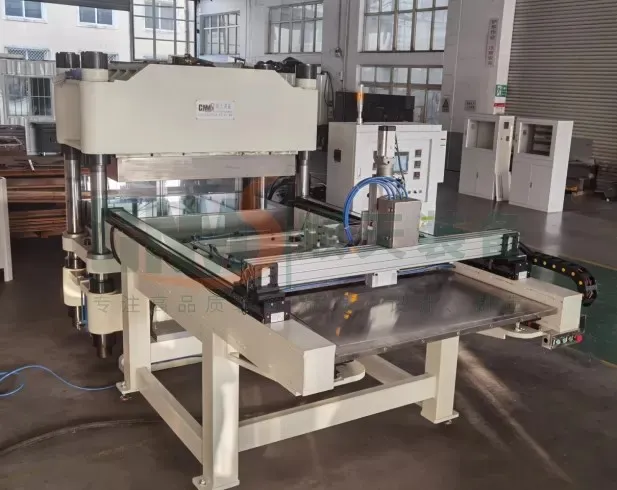
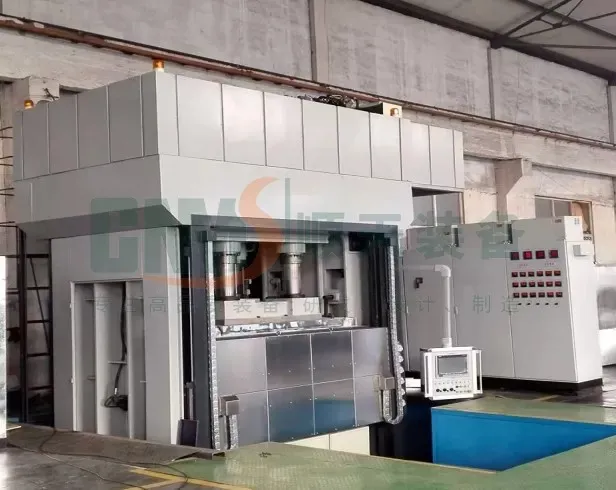
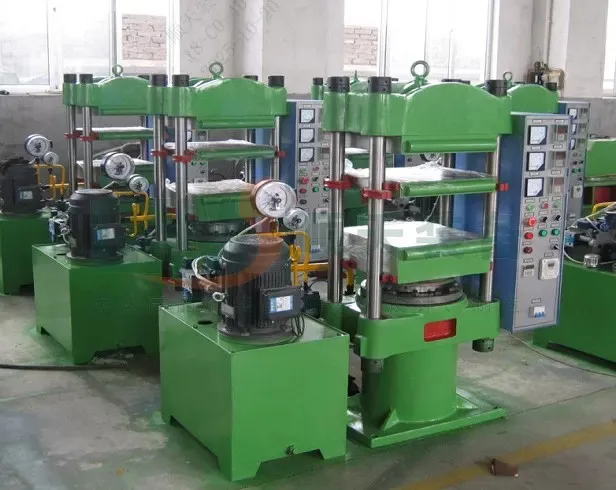
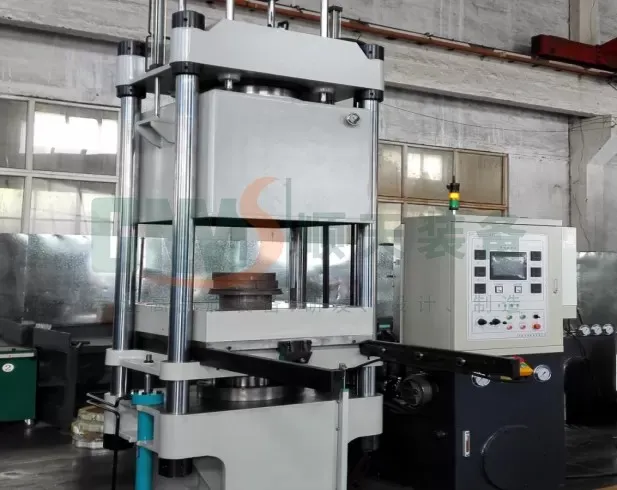
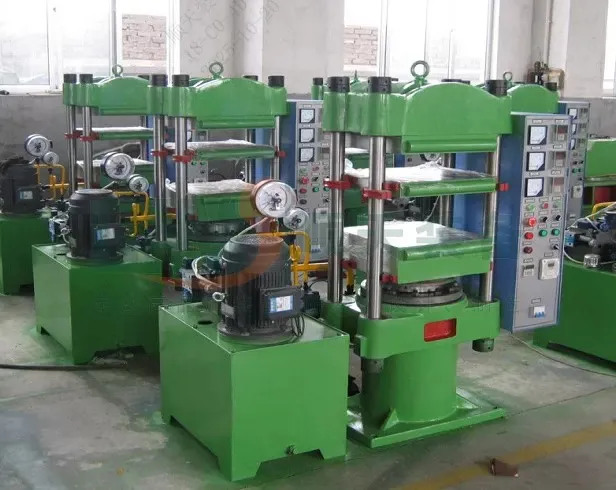
●Selection advice: For precision compression (e.g., SMC, lamination) requiring high flatness and uniform pressure, prefer a monoblock (frame) structure for superior rigidity and minimal deflection. Four‑column designs are better suited for deep‑draw parts or processes needing larger mold‑opening strokes.
2. Temperature Control System – The Core Variable for Yield
Plastic curing relies on a precise, uniform temperature field. Basic "heated platen" setups often fall short.
●Heating method: Hot‑oil circulation typically provides more even temperature distribution than electric heating, enabling control within ±2 °C across the mold surface.
●Control capability: Does the press offer independent, multi‑zone temperature control for upper and lower platens? This is critical for managing uneven thermal demands of large or complex molds.
3. The Reality of "Customizability" – Ensuring the Press Fits Your Line
“Customizable” must translate into concrete, executable solutions.
●Mold compatibility: Verify platen size, T‑slot layout, and shut‑height against your existing or planned tooling.
●Automation & integration: Are standard interfaces for robots, feeders, and part‑handling systems available? Can the press readily connect to automatic weighing, feeding, and extraction units?
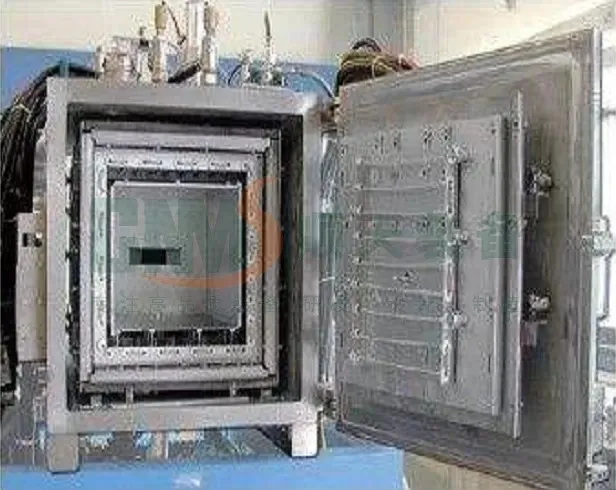
●Special process needs: Depending on your material and product, confirm requirements such as mold vacuum (to eliminate bubbles) or fast open/close mechanisms (to improve cycle time).
Part 3: Connectivity & Synergy – The Hydraulic Press as a Smart‑Factory Node
An advanced hydraulic press delivers maximum value not only through standalone performance, but also as an intelligent node within a connected production network.
●Data Interconnectivity – The Basis of Transparency
Real‑time transmission of machine status, output counts, process parameters, and alarm codes to the MES enables full‑process visibility—from scheduling to quality traceability—and delivers accurate data for decision‑making.
●Predictive Maintenance – From "Fix on Fail" to "Health Management"
By continuously monitoring hydraulic oil temperature, pressure profiles, seal wear, and other critical data, the system can identify potential issues early and issue proactive alerts. This shift from reactive repair to preventive care drastically cuts unplanned downtime and safeguards production continuity.
●Process Digitization – Capturing and Transferring Know‑How
Proven pressure, temperature, and speed settings can be saved as standardized "process recipes" for each product. One‑click recall during changeovers slashes setup time, reduces dependence on individual operator experience, and ensures stable, repeatable quality.

Part 4: A Forward‑Looking Choice – Setting the Standard for Your Next‑Generation Products
As plastic products move toward higher performance, lighter weight, and greater integration, choosing the right hydraulic press is more than an equipment purchase—it is the introduction of a stable, intelligent, and highly adaptable core unit into your production ecosystem.
Such a press enables you to achieve product outcomes—once attainable only with costly imported machines or complex processes—at a better total cost of ownership. In doing so, it helps you build distinctive manufacturing advantages and secure a competitive edge in the race for material and structural innovation.
If you are planning a project involving high‑performance plastics or composites, we recommend discussing your specific product samples, target outputs, and performance requirements with a hydraulic‑press supplier that possesses deep process expertise. One practical, scenario‑based technical conversation is worth far more than comparing pages of abstract specifications—and it may well be the key step toward your next breakthrough.


 中文
中文 