June 16, 2026
PEM (Proton Exchange Membrane) electrolyzers utilize a solid polymer membrane as an electrolyte. This technology is known for its efficiency in hydrogen production, often preferred in applications with variable power input, such as renewable energy sources.
AEM (Anion Exchange Membrane) electrolyzers operate with an anion exchange membrane, enabling the use of cheaper alkaline electrolytes. This technology focuses on reducing costs while providing moderate efficiency for hydrogen production.
| Parameter | PEM Electrolyzer | AEM Electrolyzer |
|---|---|---|
| Efficiency | High (up to 80-90%) | Moderate (60-75%) |
| Cost | Higher initial investment | Lower initial investment |
| Durability | Longer lifespan | Moderate lifespan |
| Response to power fluctuations | Very responsive | Less responsive |
PEM systems tend to have a longer battery life due to their robust design, which allows for consistent operation over time. AEM systems may experience reduced stability under certain operational conditions, leading to potential performance degradation.
PEM electrolyzers generally require more stringent operational conditions and maintenance, while AEM systems present a more accessible approach for less technical setups.
PEM systems are ideal for applications requiring high efficiency and where cost is less of a barrier, such as industrial hydrogen production or coupling with renewable energy sources.
AEM systems serve well in less demanding applications or where budget constraints exist, making them suitable for small-scale operations or areas where alkaline solutions are preferred.
Choosing between PEM and AEM electrolyzers largely depends on specific project needs, budget, and operational constraints. For more information on our solutions in efficient hydrogen production, explore Shuntian's offerings.
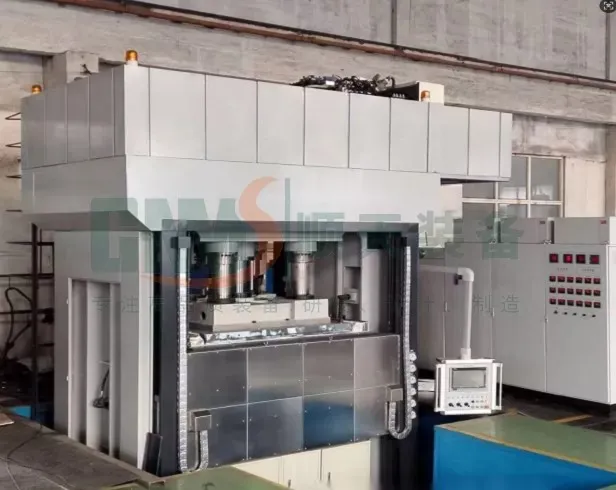
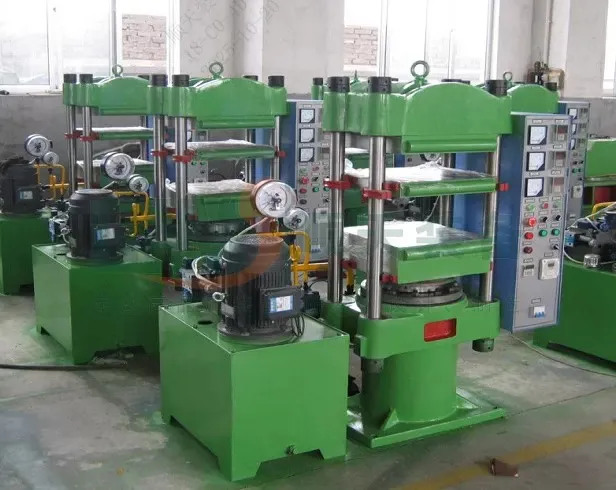
 Shuntian Hydrogen Production Equipment">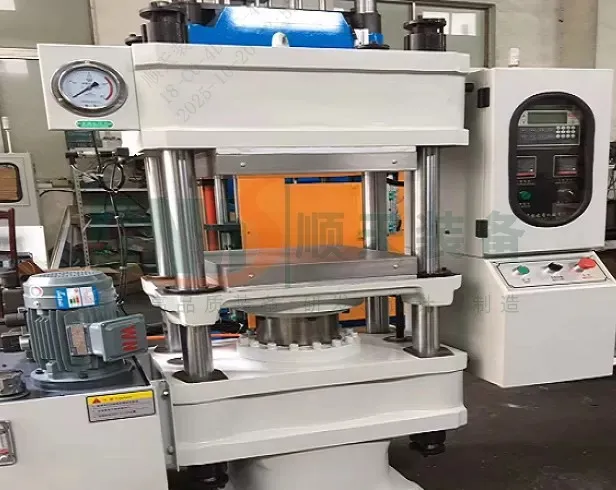


 中文
中文