April 16, 2026
PEM (Proton Exchange Membrane) and Alkaline electrolysers are leading technologies used for hydrogen production. While both serve similar purposes, they operate on distinct principles that influence their applications and performance in various environments.
| Parameter | PEM Electrolyser | Alkaline Electrolyser |
|---|---|---|
| Efficiency | High (60-70%) | Moderate (50-60%) |
| Operating Pressure | High Pressure (up to 30 bar) | Atmospheric to Low Pressure |
| Startup Time | Fast (minutes) | Slower (hours) |
| Cost | High Initial Investment | Lower Initial Investment |
PEM electrolysers are known for their compact design and rapid response to changes in power input, making them suitable for renewable energy applications. Users often report:
Longer operational lifetime with minimal degradation over time.
Enhanced stability in fluctuating energy supply scenarios.
Alkaline electrolysers generally have a lower production capacity compared to PEM variants, leading to various user experiences such as:
Robust performance over extended periods.
Stable hydrogen output, especially in large-scale, continuous operations.
Higher efficiency and lower energy consumption.
Smaller footprint and scalability.
Ability to operate at higher pressures.
Higher overall costs due to membrane materials and catalysts.
Sensitive to impurities in the feedwater.
Lower capital costs and operational expenditures.
Ability to utilize a variety of catalysts.
Lower efficiency leads to higher energy consumption.
Bulkier design limits scalability.
PEM electrolysers are ideal for applications requiring:
Rapid start-up and dynamic load handling.
Integration with renewable energy sources.
For large-scale hydrogen production or lower initial investment scenarios, alkaline electrolysers should be considered due to:
Robustness in continuous operations.
Greater availability and resource efficiency.
In conclusion, both PEM and alkaline electrolysers have unique characteristics, advantages, and disadvantages that make them suitable for various applications. When selecting the right technology, it is essential to weigh these factors against your specific needs.
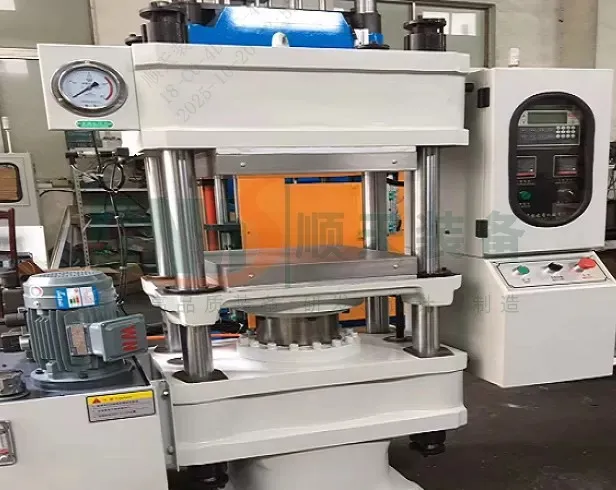
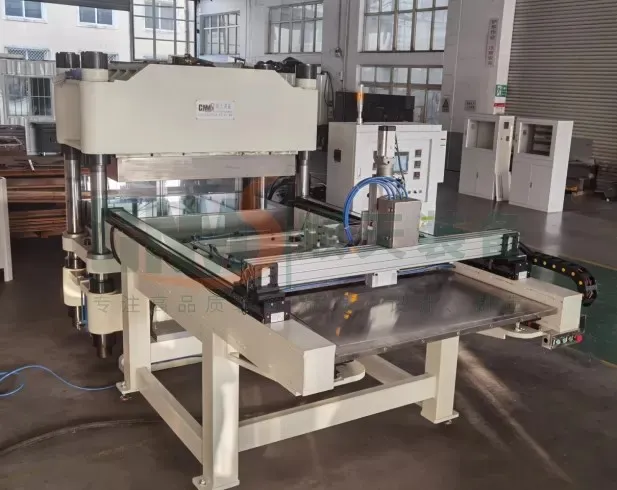
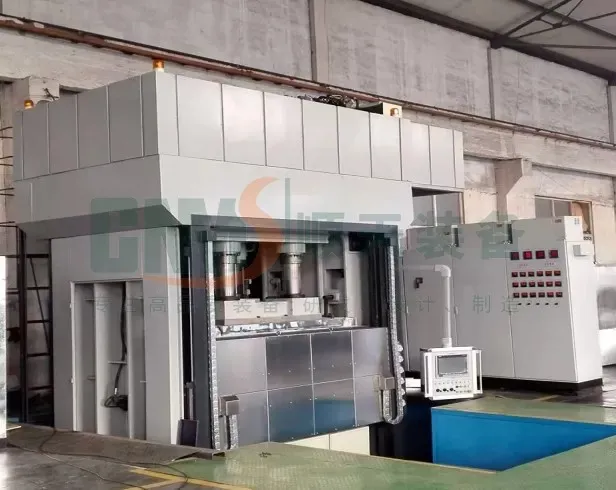
As a leading manufacturer of PEM electrolysers, Shuntian is committed to providing high-quality equipment that meets diverse customer requirements. For more information about our products, please visit our website or contact us directly.


 中文
中文