July 10, 2026
Bipolar plates are crucial components in fuel cells, serving to facilitate the flow of reactants and the conduction of electricity. They influence the overall performance, efficiency, and durability of the fuel cell system.
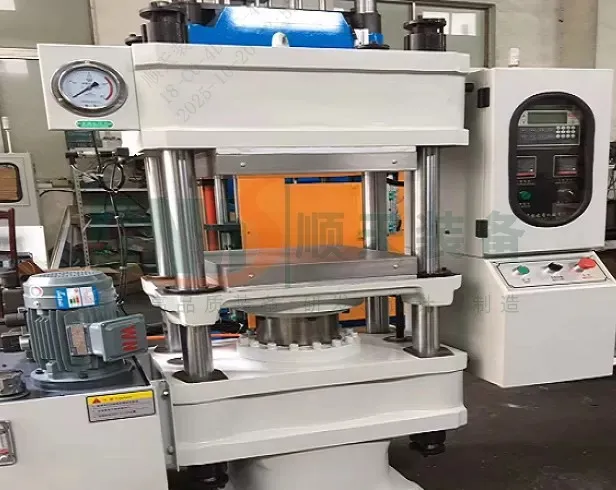
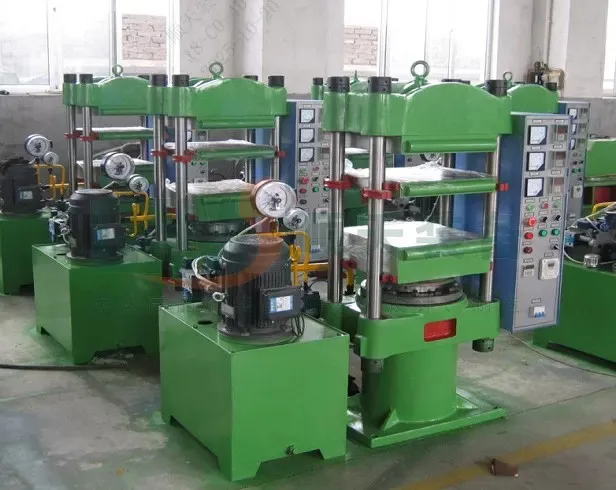
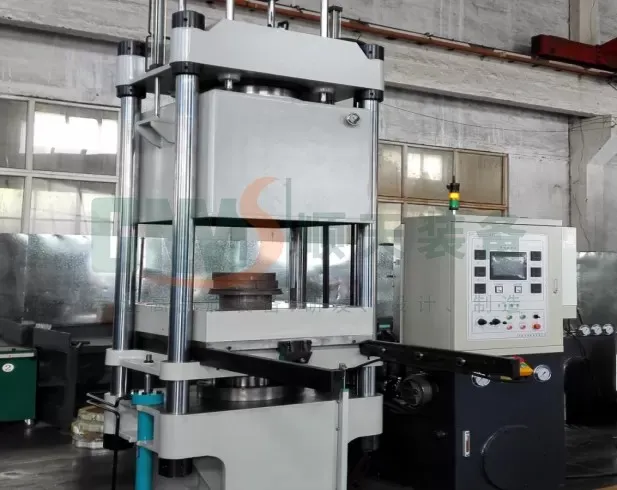
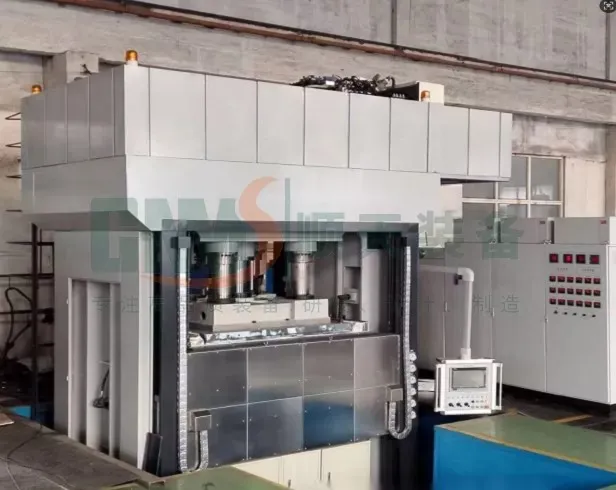
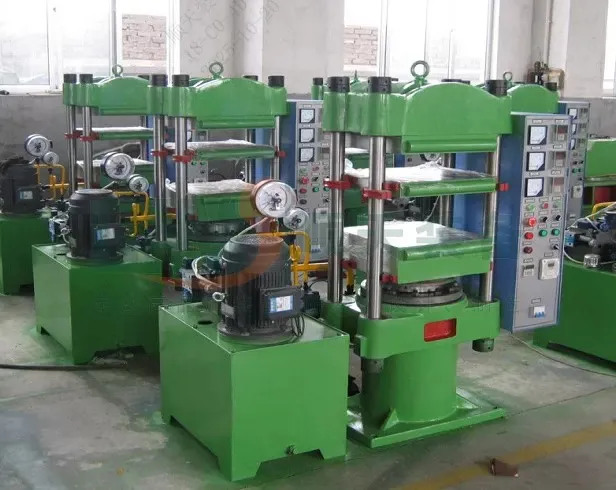
The production of graphite bipolar plates typically involves methods such as compression molding or machining of graphite materials. These processes enable high-quality shapes and properties but can be time-consuming and costly.
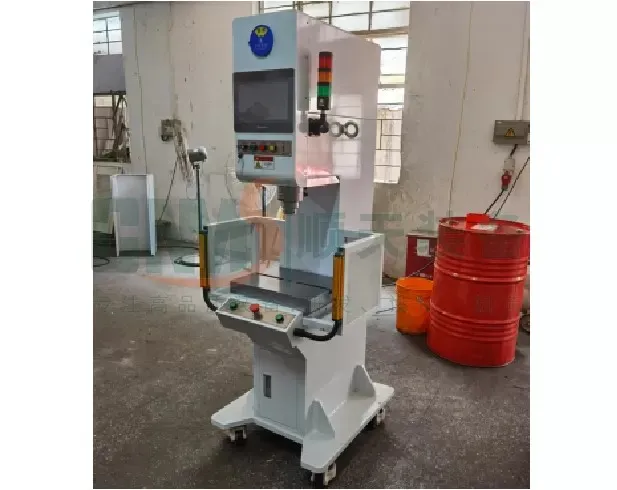
Metal bipolar plates are produced mainly through stamping or laser cutting processes. These methods allow for faster production rates and improved mechanical properties compared to graphite, albeit at a higher weight.
| Parameter | Graphite | Metal |
|---|---|---|
| Weight | Lightweight | Heavier |
| Conductivity | High | Very High |
| Corrosion Resistance | Good | Varies with coating |
| Cost | Higher | Lower |
Users of metal bipolar plates generally report longer operational lifespans due to superior thermal management. However, graphite alternatives are preferred in applications where lower weight is vital.
Metal bipolar plates often exhibit better structural integrity under varying operational conditions and can withstand higher pressures compared to graphite plates, which may fracture under stress.
Graphite bipolar plates are best suited for lightweight applications such as portable fuel cells and smaller devices where weight is a critical factor.
Metal bipolar plates are recommended for stationary fuel cell applications, especially where strength and thermal performance are paramount.
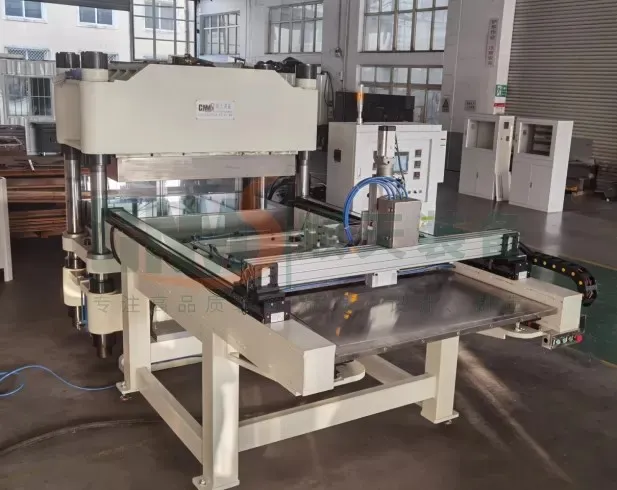
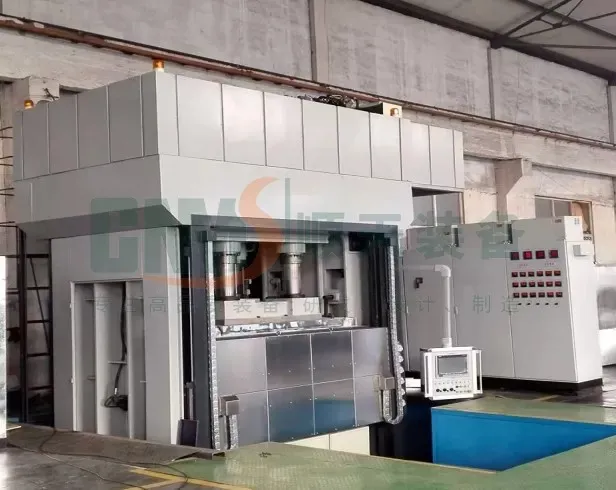
Ultimately, the choice between metal and graphite bipolar plates relies on specific application requirements and constraints. Understanding the production lines, performance characteristics, and suitable operational environments is key to making an informed decision. For manufacturers looking to optimize their bipolar plate production line, Shuntian provides comprehensive solutions.


 中文
中文