April 16, 2026
In the world of manufacturing and industrial processes, the Servo Hydraulic Press has emerged as a cornerstone technology. With its unique capabilities to enhance precision and efficiency, the Servo Hydraulic Press is essential in various applications, from automotive production to aerospace component manufacturing. This article will delve into the significance of this machine, articulate its working principles, review its applications, and outline the advantages that make it a game-changer in the industry. If you're looking for innovative solutions that solve common manufacturing challenges, understanding the Servo Hydraulic Press is your first step.
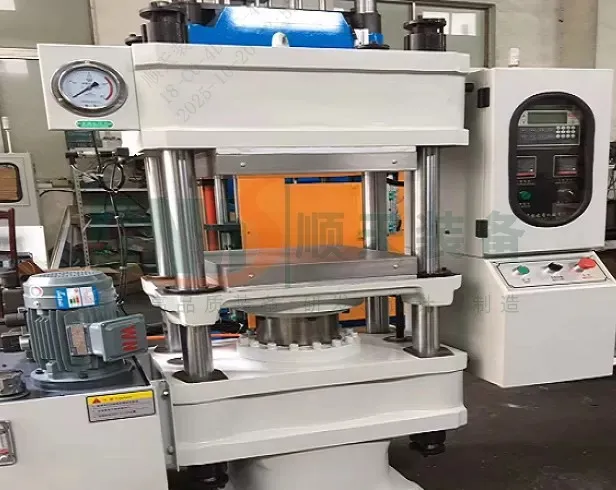
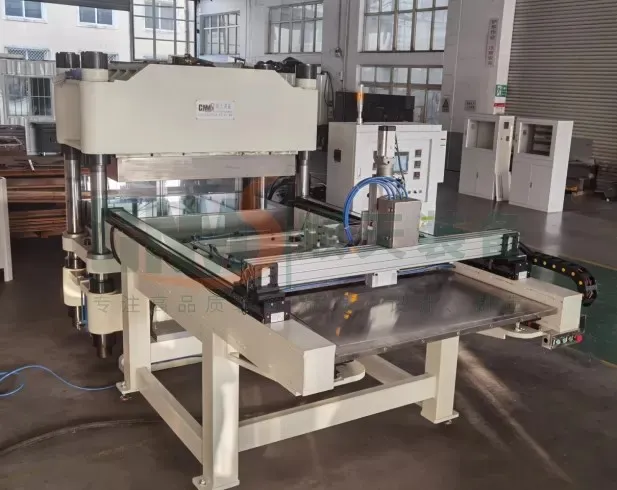
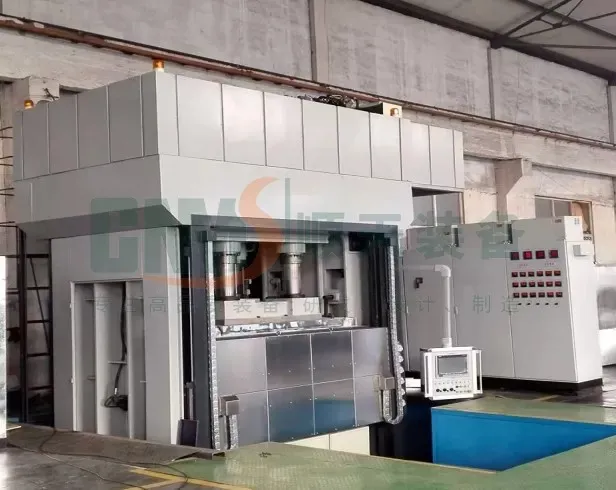
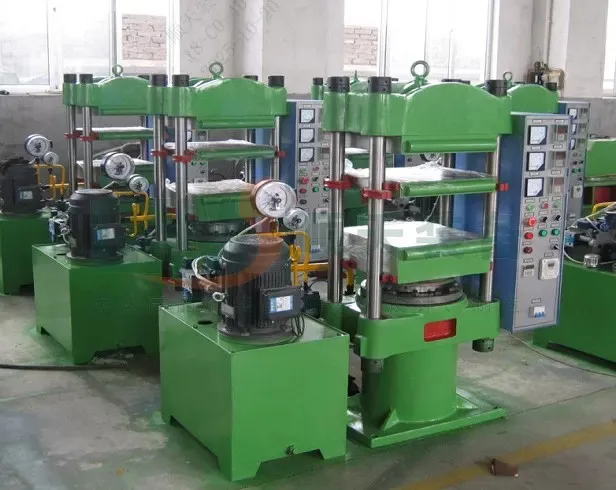
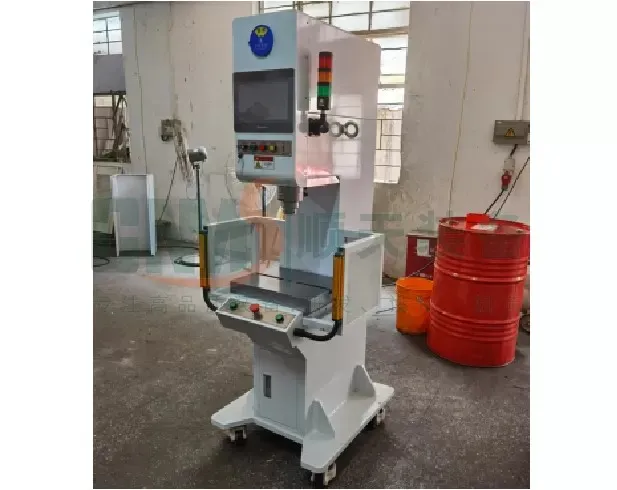
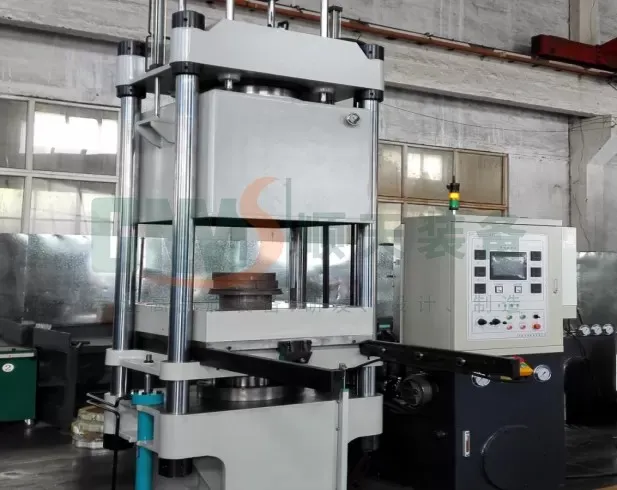
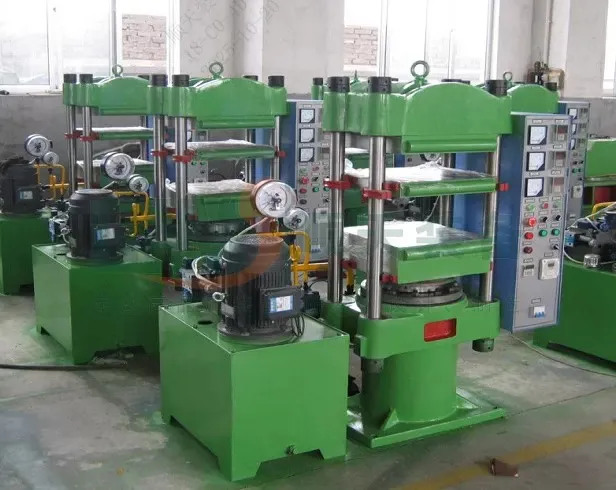
A Servo Hydraulic Press is a mechanical device that combines hydraulic systems with servo motor technology to achieve precise control over the pressing force and movement of the machinery. This blend allows for more efficient operation compared to traditional hydraulic presses, which commonly lack the responsiveness that modern manufacturing demands. The term "servo" signifies the system's ability to receive feedback and make adjustments in real-time, helping to optimize production processes.
In technical terms, a servo system uses a closed-loop control mechanism, which includes feedback sensors that provide data on position, speed, and torque. According to a report by ResearchAndMarkets, the global servo motor market is expected to reach $12.38 billion by 2026, showcasing the increasing importance of such technologies in the manufacturing sector.
The Servo Hydraulic Press finds applications in numerous industries, including:
Automotive Manufacturing: Used for forming, bending, and assembling components, enhancing productivity by 25% compared to conventional methods.
Aerospace Industry: Precision manufacturing of aircraft parts, where tolerances must meet stringent safety standards.
Consumer Electronics: Essential for assembling parts and materials consistently, significantly reducing defect rates.
Metal Forming: Employed in metal stamping and forging processes, yielding thicker and stronger products.
These applications highlight how the Servo Hydraulic Press can optimize production and maintain high-quality standards throughout the manufacturing workflow.
Why is the Servo Hydraulic Press so crucial in today's industrial landscape? The advantages include:
Energy Efficiency: Studies indicate that servo hydraulic systems can be 40% more energy efficient than traditional hydraulic systems.
Precision Control: With the advanced feedback mechanisms, manufacturers achieve accuracy levels within 0.01 mm, allowing for intricate designs and components.
Faster Operation: The time required for routine operations is reduced, with some tasks taking less than half the time compared to conventional presses.
Reduced Maintenance Costs: The longevity of servo systems often results in a drastic decrease in maintenance needs, with reports showing a potential 30% reduction in downtime.
These quantitative advantages underscore the importance of integrating Servo Hydraulic Press systems into modern manufacturing operations.
For those ready to explore the capabilities of a Servo Hydraulic Press, consider consulting the user manual for your specific unit or the Shuntian brand models. Familiarizing yourself with the operational guidelines will maximize your efficiency. You can also look into trial opportunities with local suppliers to see firsthand how this technology can benefit your production processes.
What is a Servo Hydraulic Press used for? A Servo Hydraulic Press is primarily used in manufacturing processes that require precise control over pressing forces, such as in automotive, aerospace, and electronics industries.
How does a Servo Hydraulic Press differ from traditional hydraulic presses? The key difference lies in the control systems; servo presses use closed-loop feedback for real-time adjustments, resulting in higher efficiency and precision.
Can the Servo Hydraulic Press save energy? Yes, on average, servo hydraulic systems can improve energy use by 40% compared to traditional options, allowing manufacturers to reduce costs and environmental impact.
In conclusion, the Servo Hydraulic Press is revolutionizing manufacturing by providing unmatched control and efficiency. For companies looking to innovate their production methods, investing in this technology could yield significant benefits. If you're interested in further understanding or trial opportunities, consider exploring Shuntian products and services.



 中文
中文