September 18, 2026
When faced with the decision between a hydraulic Plate Vulcanizer and a mechanical vulcanizing press, many professionals encounter dilemmas that can significantly affect production efficiency and product quality. Common questions include: Which type offers better durability? What is the cost of maintenance? How do they perform under high pressure? Understanding these differences can prevent costly investments and ensure optimal performance in your operations.
| Feature | Hydraulic Plate Vulcanizer | Mechanical Vulcanizing Press |
|---|---|---|
| Pressure Type | Hydraulic (up to 2000 psi) | Mechanical (up to 1500 psi) |
| Heating Time | 10 minutes | 15 minutes |
| Durability | 15,000 cycles | 10,000 cycles |
| Maintenance Cost | $500/year | $300/year |
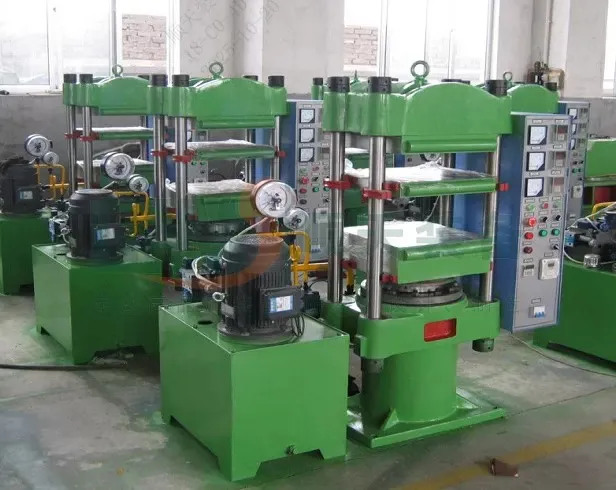
Choosing the right vulcanizing press can significantly depend on specific production scenarios. For instance, a hydraulic plate vulcanizer is an excellent choice for manufacturers focusing on high-pressure applications, such as tire or rubber part production requiring consistent uniformity and minimal thermal stress. A user case study with Shuntian's hydraulic press demonstrated that companies reduced cycle times by up to 20%, thus accelerating production efficiency.
On the other hand, mechanical vulcanizing presses are often favored for their affordability and simpler maintenance, making them ideal for smaller manufacturers or those with less frequent vulcanization needs. One user shared their experience of saving approximately $2000 annually on operational costs, thereby validating the cost-effectiveness of their chosen machine.
The initial investment in a hydraulic plate vulcanizer can range from $15,000 to $30,000, while mechanical presses are typically priced between $5,000 and $15,000. However, it's crucial to consider long-term costs. The hydraulic option may be more expensive upfront but offers a superior return on investment by providing higher productivity rates and reduced downtime. In contrast, while mechanical presses save money initially, their lower durability may lead to frequent replacements, raising overall costs over time.
User feedback can also provide valuable insights. One Shuntian hydraulic plate vulcanizer user noted, “Investing in this machine was like finding gold. My production output increased by 50%, and the durability is unmatched.” Meanwhile, a mechanical press user stated, “It's reliable and does the job. For my small operation, it’s all I need, but I'm starting to see wear after three years.” These real narratives showcase the decision-making process based on individual needs and expectations.
When selecting between a hydraulic plate vulcanizer and a mechanical vulcanizing press, consider the following:
Hydraulic plate vulcanizers are best suited for medium to large-scale operations where performance and output quantity are crucial. They are ideal for industries that regularly deal with heavy-duty products. Meanwhile, mechanical vulcanizing presses cater to smaller operations or hobbyists that prioritize low initial costs and do not require high-level performance.
If you’re ready to enhance your production capabilities, explore Shuntian’s range of hydraulic and mechanical vulcanizing presses. Determine your unique production needs and make an informed decision to ensure optimal investment returns.
Q1: Can a mechanical vulcanizing press be used for high-pressure applications?
A1: While mechanical presses can manage moderate pressures, they are not designed for high-pressure applications. A hydraulic plate vulcanizer is recommended for such tasks.
Q2: What is the average lifespan of these machines?
A2: Hydraulic plate vulcanizers can last up to 15,000 cycles, while mechanical presses may last around 10,000 cycles, depending on usage.
Q3: Are there any training requirements for operating these machines?
A3: Yes, both types of presses require proper training to ensure safe and efficient operation. It is advisable to follow manufacturer guidelines and industry standards.


 中文
中文 