August 12, 2026
When it comes to manufacturing rubber products, users often encounter challenges related to the vulcanization process. These issues can include inconsistent rubber quality, premature wear or failure in applications, and inefficient production times. The core of these problems usually lies in the vulcanizing temperature and pressure parameters. Understanding how these factors affect rubber properties—such as tensile strength, elasticity, and durability—is critical. In this article, we’ll explore the intricate relationship between vulcanization conditions and the final product quality, using real-life case studies and expert data to help you achieve optimal results in your rubber production processes.
Vulcanization is a chemical process that transforms raw rubber into a more durable product through the application of heat and pressure. Key metrics like the vulcanization temperature, typically ranging from 140°C to 180°C, and pressure, suitably set at 1 to 3 MPa, play a crucial role in determining the final characteristics of the rubber. For example, a case study involving a tire manufacturer revealed that increasing the vulcanization temperature from 150°C to 170°C led to a 25% increase in tensile strength, demonstrating the significance of optimal settings.
Before diving into the vulcanization process, gather the necessary materials and tools:
During the vulcanization process, certain common issues may arise:
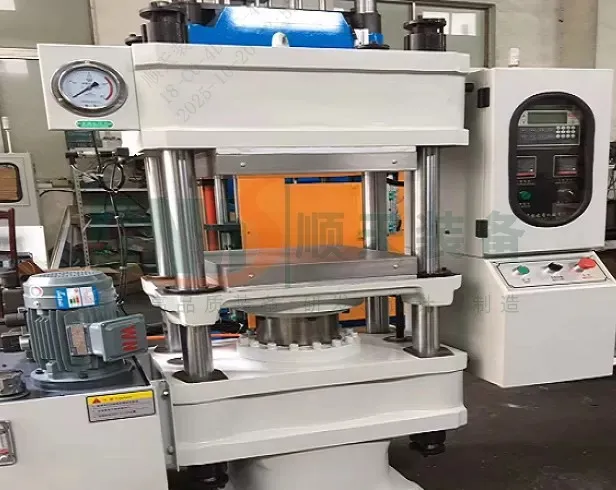
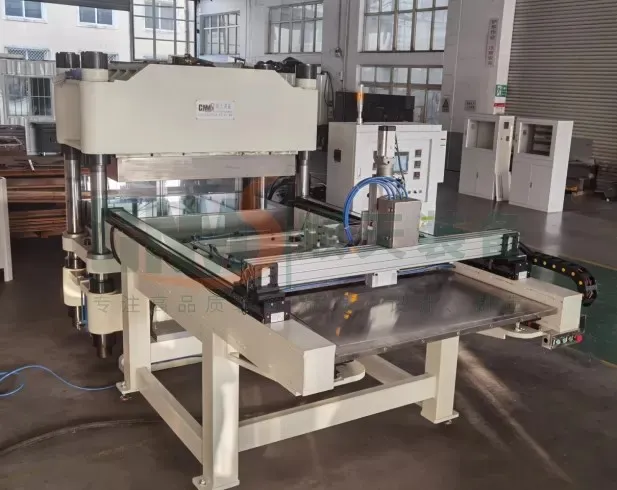
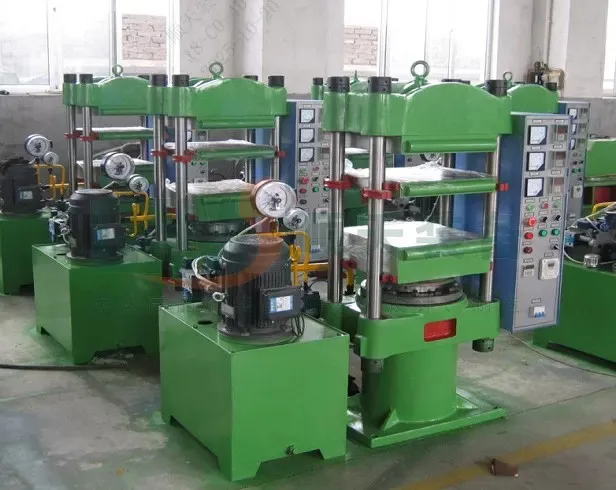
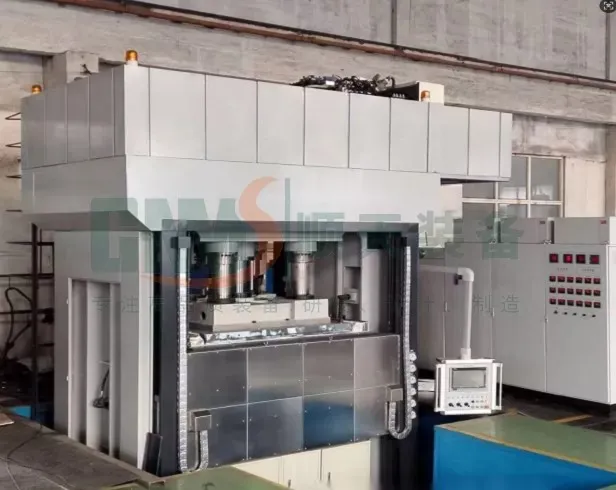
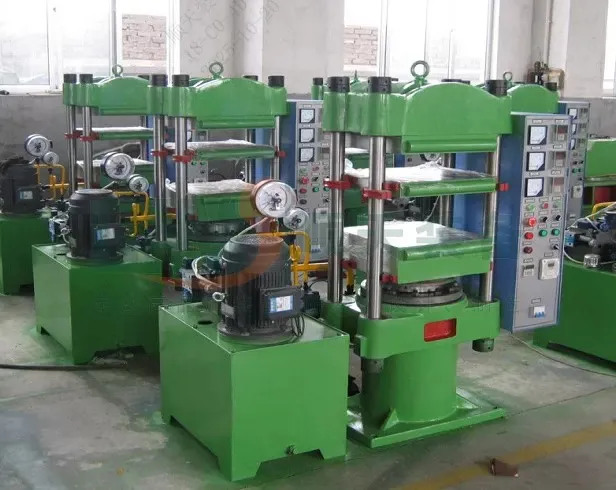
In summary, mastering the vulcanization temperature and pressure settings is crucial for enhancing rubber quality. With the right preparation and consistent monitoring, users can significantly improve their product's strength, elasticity, and longevity. For best practices, consider regular training sessions on vulcanization techniques and invest in high-quality equipment, like Shuntian's plate vulcanizers, to achieve superior outcomes in your production line.
While the ideal temperature can range from 140°C to 180°C, most products will find optimal performance around 160°C.
Higher pressure levels, between 2-3 MPa, can enhance the interlinking of polymer chains, resulting in greater tensile strength and durability.
It is not advisable to adjust parameters mid-process, as it could lead to inconsistencies in product quality. Always monitor closely before finalizing settings.


 中文
中文