In the rapidly evolving landscape of green energy, optimizing PEM (Proton Exchange Membrane) hydrogen production systems is paramount for boosting operational efficiency and driving down costs. Whether you are a seasoned industry professional or just beginning your journey, I promise to provide you with clear, actionable steps to enhance the efficiency of your hydrogen production systems using Shuntian's innovative Hydrogen Production Equipment. Let's explore how to make this vital transition seamless and effective.
Step 1: Assess Your Current Setup
Start by conducting a thorough assessment of your current PEM hydrogen production system. Take stock of the following:
- System Output: Measure the hydrogen output against your operational goals. A standard operational efficiency should target above 70%.
- Energy Input: Document the energy consumption per kilogram of hydrogen produced. Ideally, it should not exceed 50 kWh/kg.
- Component Performance: Inspect critical components such as the membrane, catalyst layers, and gas diffusion layers to ensure they meet ASTM standards for reliability.
Having this data will help identify areas for potential improvement.
Step 2: Upgrade Your Hydrogen Production Equipment
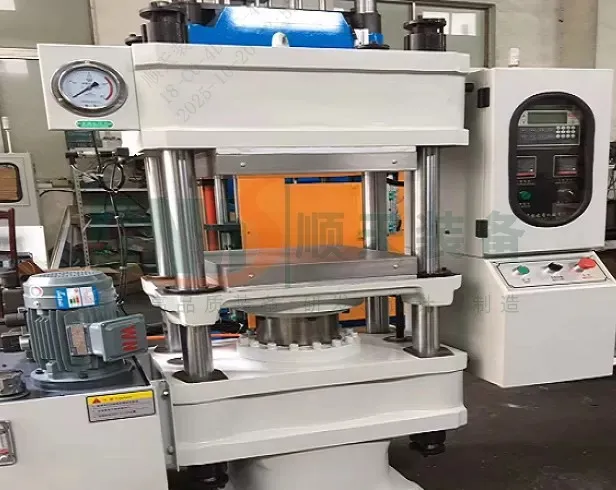
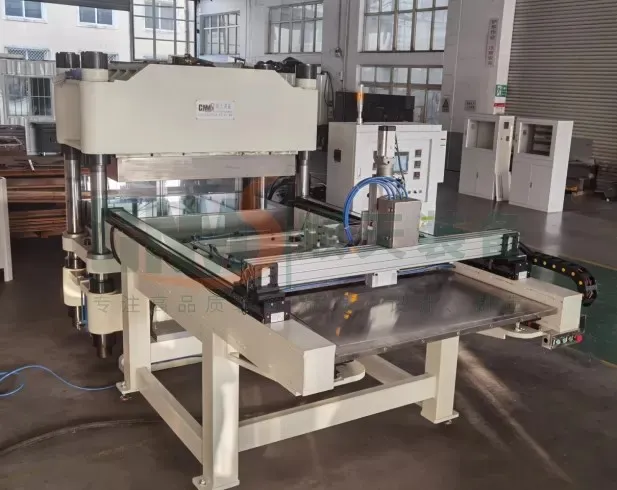
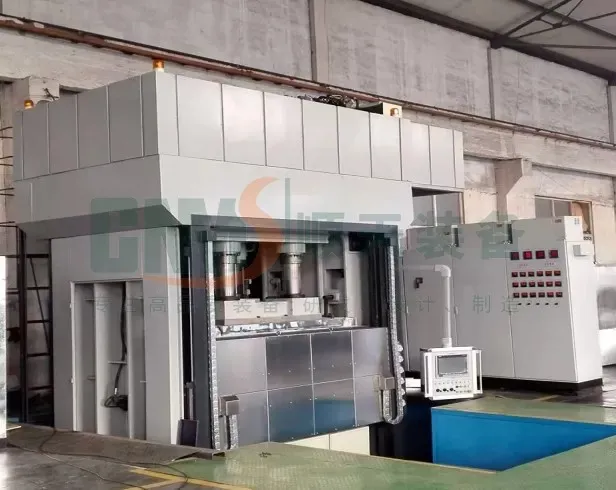
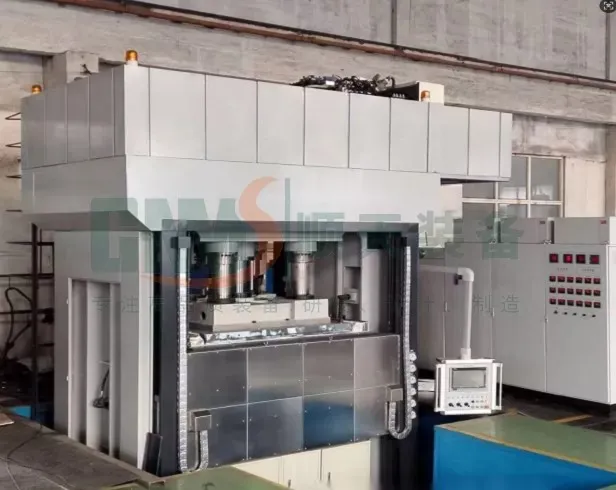
Investing in Shuntian's state-of-the-art Hydrogen Production Equipment can significantly enhance system efficiency. Here’s how:
- Membrane Technology: Use advanced membranes that offer higher proton conductivity and durability, which can improve performance by 15-20%.
- Optimization of Catalyst: Utilizing more efficient catalysts can reduce reaction energy requirements by as much as 30%, leading to substantial energy savings.
- Heat Integration Systems: Integrate heat recovery solutions to utilize excess heat, potentially improving overall system efficiency by another 10-15%.
Step 3: Implement Automation and Real-Time Monitoring
Incorporating automation helps in maintaining optimal operational conditions. Here’s how to proceed:
- Sensors: Install precise sensors to monitor parameters such as pressure, temperature, and humidity levels to a precision of 0.01mm.
- Control Systems: Utilize advanced control algorithms to automate feedstock adjustments in response to real-time data, ensuring consistent production without manual intervention.
This automation not only ensures efficient operation but also enhances safety, significantly reducing human error risks in handling volatile operations.
Step 4: Regular Maintenance and Training
In the world of hydrogen production, ongoing maintenance and skilled operation are crucial:
- Scheduled Maintenance: Adhere to a strict maintenance schedule that follows DIN or ISO guidelines to prevent system downtimes.
- Training Programs: Invest in ongoing training for your operators to understand the nuances of the equipment, leading to a potential 24-hour response time to issues.
These actions will maintain peak efficiency and prolong the lifespan of your Hydrogen Production Equipment.
Potential Challenges and Mitigation Strategies
Despite the structured approach, challenges may arise:
- Functional Downtime: If equipment breakdown occurs, implement a contingency plan, including spare parts and backup systems.
- Training Gaps: If operational knowledge is lacking, engage with expert consultants or utilize online learning resources to elevate your team's skill set quickly.
By addressing these challenges proactively, you ensure that your operations remain as efficient as possible throughout their lifecycle.
Additional Tools and Resources
To further improve execution efficiency, consider the following resources:
- Hydrogen Production Software: Utilize design and simulation tools that provide insights into performance metrics and assist in equipment selection.
- Industry Networks: Join industry-specific forums and technical groups to stay informed about the latest trends and operational best practices.
Key Steps to Immediate Action
To summarize, here are the essential steps you should take now:
- Conduct a detailed system assessment.
- Upgrade your Hydrogen Production Equipment with Shuntian’s solutions.
- Implement automation and real-time monitoring.
- Establish a maintenance and training regimen.
By adhering to these steps, you'll align your PEM hydrogen production systems with industry best practices. The real-world effects will not only enhance efficiency but also position your business as a leader in the green energy sector.
Now is the time to act. Lay the groundwork for a more efficient future in hydrogen production today by leveraging the advancements in technology and practices. Your commitment to excellence will pave the way for significant operational improvements, cost efficiencies, and environmental benefits while utilizing Shuntian's cutting-edge Hydrogen Production Equipment.


 中文
中文