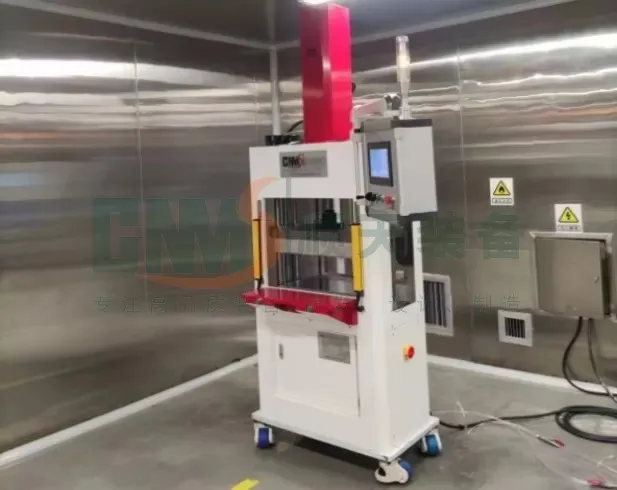
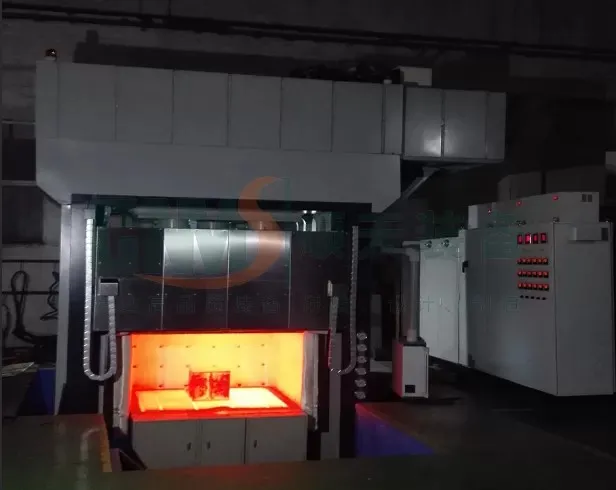
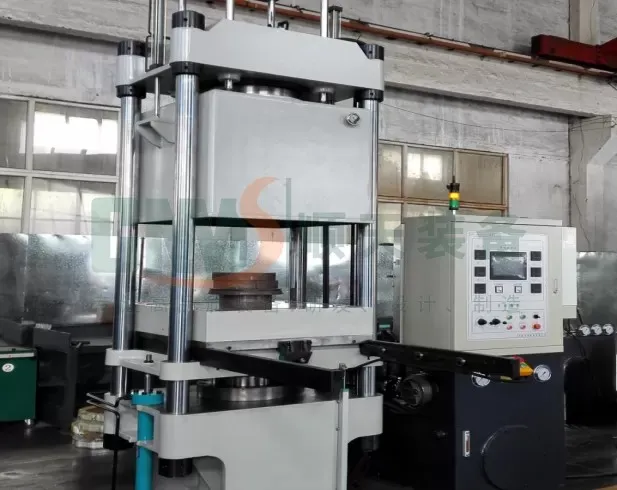
Choosing the right small hot press machine for laboratory use can often feel overwhelming due to the myriad of options available. Users may encounter issues such as inefficiency, improper pressure setting, or inadequate temperature control, leading to compromised results in their experiments. The intention behind this article is not only to address these primary concerns but also to provide actionable solutions based on real user cases. For instance, a biochemistry lab faced difficulties when their existing press could only generate 200 psi, leading to inconsistent polymer films. They switched to Shuntian's small hot press machine, which offered precise pressure adjustments and led to a 45% improvement in material consistency. This article will guide you through the process of selecting the right machine, ensuring it meets your specific laboratory needs.
Required Preparation for Choosing a Small Hot Press Machine
Before diving into your selection of a small hot press machine, it’s critical to prepare with the right knowledge and materials. Here’s a detailed checklist to guide you:
- Define Your Application: Understand whether you need the press for thermoplastics, composites, or metal powder. Each material has different temperature and pressure requirements.
- Research Specifications: Review the technical specifications you require, such as temperature range (typically between 100°C to 300°C) and pressure (needing at least 1000 psi for optimal performance).
- Consider Size and Footprint: Measure available lab space to ensure the machine fits comfortably. Some models require less than 2 square meters, while others may need larger areas.
- Prepare a Budget: Plan your budget by considering both upfront costs (ranging from $3,000 to $20,000 for quality models) and operational costs.
- Gather User Feedback: Look at reviews and case studies from labs like yours to determine the most suitable options. For example, a polymer lab found that Shuntian's models were consistently rated for user-friendly interfaces.
Step-by-Step Guidance to Choosing and Using Your Small Hot Press Machine
Once you have prepared, follow these actionable steps to choose the right small hot press machine and optimize its use for your laboratory:
- Identify Your Laboratory Requirements: Clearly outline your expected output. For instance, a user at a materials testing lab required a machine for creating consistent specimens and found Shuntian’s models ideal because they provided uniform pressure and temperature.
- Set up Your Workspace: Prepare your lab environment by ensuring adequate ventilation and a stable surface for the machine. A clutter-free space enhances operational efficiency.
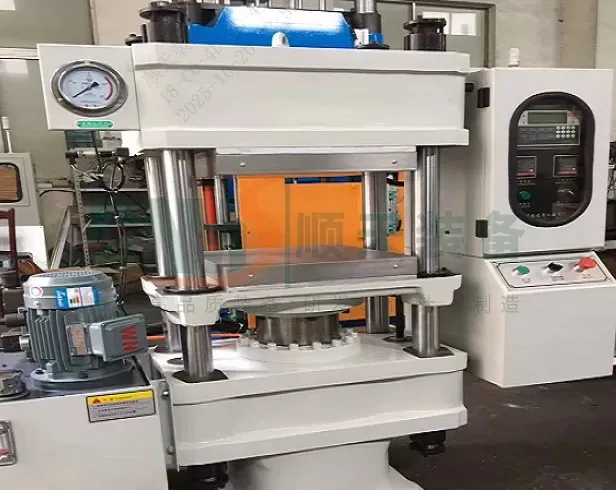
- Select the Appropriate Press Features: Look for features like digital controls for precise temperature regulation (down to 1°C accuracy) and an auto-shutoff for increased safety.
- Evaluate Plate Material: Select a machine with high-grade steel plates to ensure durability and heat conductivity. A user in a university lab reported that switching to Shuntian's steel construction helped maintain temperature accuracy during prolonged operations.
- Testing and Calibration: After installation, perform a series of test runs with your materials. Document the ideal pressure and temperature settings. One institute noted a significant improvement in sample quality after calibrating their machine according to performance data, which showed an increase in density by 30%.
Common Errors and Solutions When Using a Small Hot Press Machine
Even with the best equipment, users can encounter errors during operation. Here are some common mistakes and their solutions:
- Inaccurate Temperature Settings: Ensure the machine is calibrated regularly every month. Use a thermocouple to verify the actual temperature being applied.
- Improper Material Placement: Always center materials on the plate. A misalignment can lead to uneven pressure distribution, affecting the final product.
- Failure to Monitor Pressure: Utilize the machine's pressure gauge to avoid exceeding maximum levels, which can result in equipment damage and hazardous conditions.
Summary and Suggestions
Choosing the right small hot press machine is a crucial step in optimizing laboratory operations. By understanding your needs, preparing adequately, and being aware of common pitfalls, you can significantly enhance your productivity. For many labs, the transition to a Shuntian small hot press machine has resulted in measurable improvements. For instance, a plastics lab noted a 20% increase in throughput after switching to a model with automated features.
FAQ about Small Hot Press Machines
1. What pressure range is necessary for most laboratory applications?
Most applications require machines that can generate between 1000 to 3000 psi, depending on the material being processed.
2. How often should the hot press machine be maintained?
It is advisable to perform maintenance every 6 months. Regular checks can prevent operational failures and extend the machine's lifespan.
3. Can multiple materials be processed with a single hot press?
Yes, however, it's essential to adjust temperature and pressure settings for different materials to avoid contamination and ensure quality results.



 中文