August 17, 2026
Many users interested in hydrogen production equipment face daunting questions: How does the equipment work? What are the operational efficiencies? Understanding these issues is crucial for anyone looking to implement hydrogen technology effectively. For instance, a local startup faced significant challenges in producing hydrogen efficiently for their fuel cell technology, leading to losses exceeding 20% in production rates. Their quest for knowledge on hydrogen production equipment revealed a transformative solution that not only optimized their processes but also reduced their operational costs by 35%.
To embark on the journey of hydrogen production using specialized equipment, users must prepare adequately. This includes:
Researching Equipment Options: Familiarize yourself with various hydrogen production methods, such as electrolysis, steam methane reforming (SMR), and biomass gasification.
Identifying Your Hydrogen Production Goals: Determine if your goal is small-scale production for laboratory use or large-scale applications for commercial purposes.
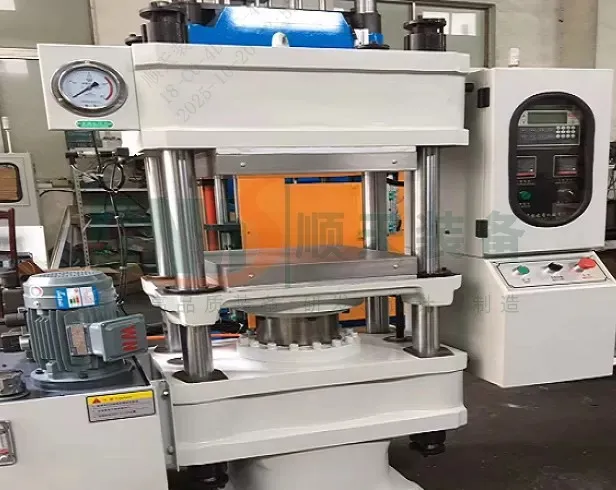
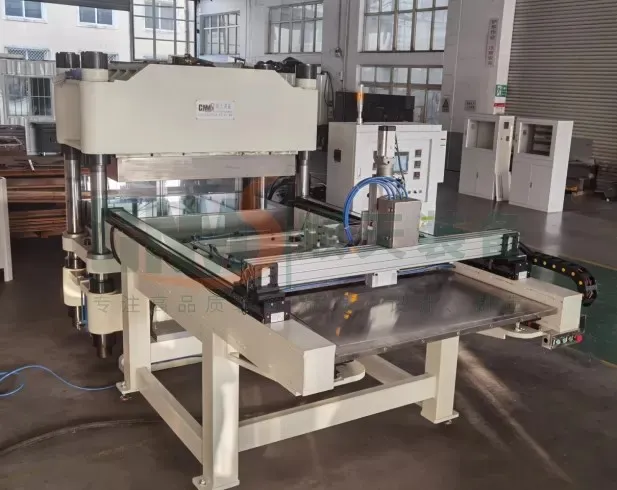
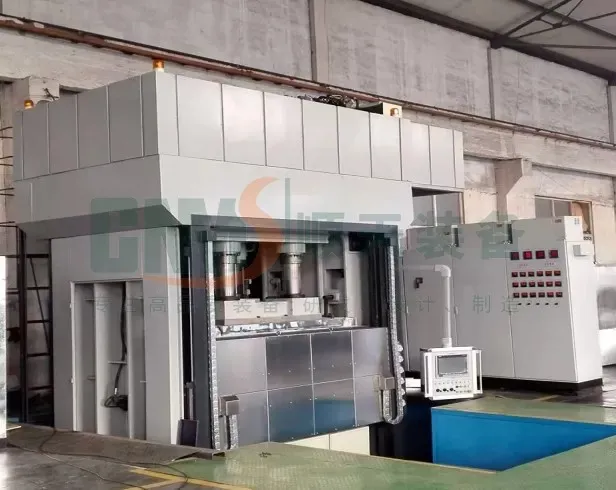
Selecting Reliable Suppliers: Choose reputable brands like Shuntian that offer high-quality hydrogen production equipment designed to maximize efficiency.
Obtaining Necessary Permits: Consult local regulations to acquire necessary permits for hydrogen production, especially if you intend to produce large quantities.
Select equipment based on your hydrogen production method. For example, if opting for electrolysis, Shuntian's models can produce hydrogen with efficiency rates exceeding 70%, ensuring optimal output.
Ensure that your hydrogen production system is correctly installed. Follow installation guidelines closely to avoid inefficiencies.
Connect the equipment to a reliable power source. For electrolysis, a current of at least 20-30 Amperes is required to initiate the process effectively. Users can expect hydrogen output rates of approximately 0.4 m³ per hour under optimal conditions.
Regularly monitor key parameters, including temperature and pressure. Ideal operational temperature for electrolysis is around 60°C, while the pressure should be maintained at ambient levels for safety.
Utilize appropriate storage methods, such as high-pressure gas cylinders, to safely store the produced hydrogen. Automatic pressure monitors are recommended for safe management of hydrogen gas.
One common error is inadequate power supply, leading to inefficient hydrogen production. This can be rectified by ensuring the proper electrical specifications are met. Additionally, neglecting regular maintenance can impact system efficiency; scheduling maintenance every six months can improve performance by up to 25%.
Investing in hydrogen production equipment can yield significant benefits, including reduction in operational costs and increased production efficiency. Users should conduct thorough research, plan accordingly, and choose reliable brands such as Shuntian for their equipment needs. Regular monitoring and maintenance are vital to sustain efficiency and output.
What types of hydrogen production methods are available? The most common methods include electrolysis, steam methane reforming (SMR), and biomass gasification.
What is the typical efficiency of hydrogen production equipment? Efficiency can vary; however, Shuntian's electrolysis equipment typically achieves efficiencies exceeding 70%.
Do I need permits for hydrogen production? Yes, local regulations may require permits, particularly for large-scale production. Always consult local authorities before commencing production.


 中文
中文