English

Home - News - How Does a Plate Vulcanizer Work in Rubber Processing?

How Does a Plate Vulcanizer Work in Rubber Processing?

September 14, 2026

Understanding the Basics of Plate Vulcanizers

What is a Plate Vulcanizer?

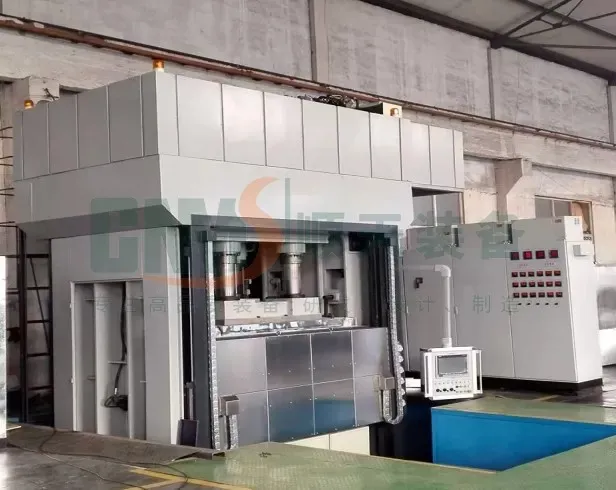
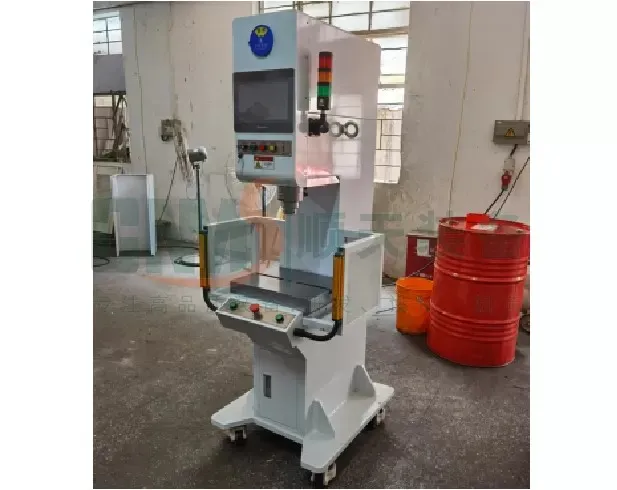
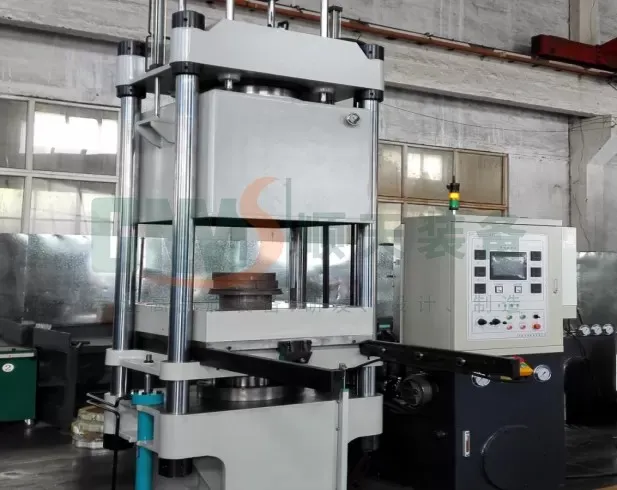
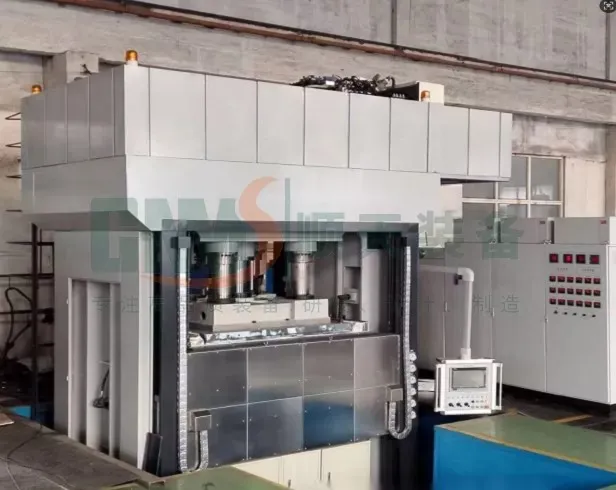
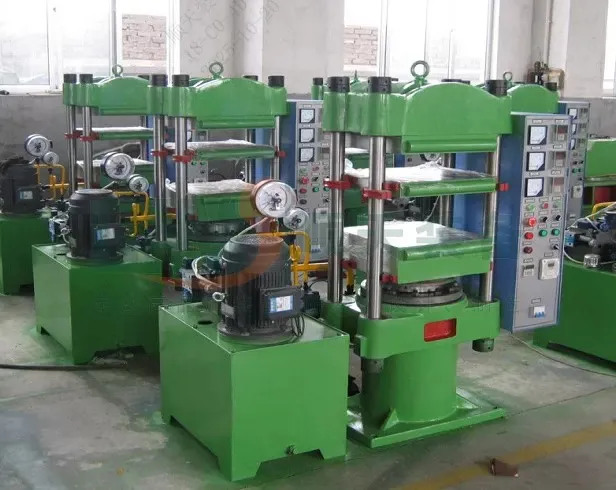
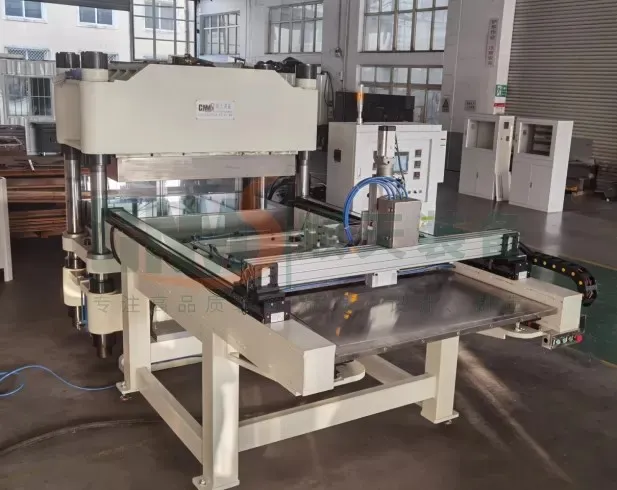
A plate vulcanizer is a machine used in the rubber processing industry to vulcanize rubber sheets into durable products. By applying heat and pressure, the vulcanizer facilitates the chemical process that strengthens rubber.

How Does the Vulcanization Process Work?

The vulcanization process involves the cross-linking of rubber molecules, which enhances the material's strength and elasticity. This is achieved through a combination of heat and sulfur, which initiates the chemical reactions necessary for vulcanization.

Essential Tools and Equipment Required

Necessary Tools for Operating a Plate Vulcanizer

  • Plate Vulcanizer machine
  • Heat source (e.g., electric heating elements)
  • Pressure control system
  • Temperature monitoring devices
  • Rubber compounds (with added sulfur and accelerators)
  • Calibration tools for measurements

The Step-by-Step Guide to Using a Plate Vulcanizer

First Step: Preparing the Rubber Compound

Before starting, prepare the rubber compound by mixing it with sulfur and accelerators according to the specified formulation to ensure optimal vulcanization.

Second Step: Setting Up the Plate Vulcanizer

1. Check the electrical connections to ensure power supply. 2. Set the desired temperature based on the rubber compound specifications. 3. Adjust the pressure settings according to the product requirements.

Third Step: Loading the Rubber into the Vulcanizer

Carefully place the prepared rubber sheet onto the vulcanizing plate, ensuring even distribution. Avoid overloading to prevent uneven curing.

Fourth Step: Starting the Vulcanization Cycle

Initiate the vulcanization cycle by activating the heating and pressure controls. Monitor the temperature and pressure settings throughout the process.

Fifth Step: Cooling and Finalizing the Product

Once the vulcanization cycle is complete, allow the product to cool before removing it from the plate. This step helps maintain the integrity of the shape and properties of the rubber.

Common Mistakes to Avoid When Using a Plate Vulcanizer

Key Mistakes to Watch For

  • Incorrect temperature settings leading to under or over-vulcanization.
  • Inconsistent pressure applied, affecting the final product’s quality.
  • Not allowing the proper cool-down time, resulting in product deformation.
  • Failing to properly mix the rubber compound can cause inconsistencies.
  • Neglecting regular maintenance on the plate vulcanizer can cause malfunctions.

Conclusion

In conclusion, understanding how a plate vulcanizer works is crucial for any professional in rubber processing. Following the detailed steps outlined and avoiding common mistakes will ensure a successful vulcanization process. For reliable equipment, consider using Shuntian's products found at Shuntian-equipment.com/data/watermark/main/20251118/691c18ee9a61e_.webp">Shuntian Equipment.

Your privacy is always our top priority.

To ensure the proper functioning of our website's core features and to continuously enhance your experience, we utilize cookie technology. You may manage your preferences at any time through your browser settings. Please note that certain cookies are essential for the website to operate. By continuing to browse this website, you consent to our use of cookies in accordance with our relevant terms. Thank you for your understanding and support.