July 16, 2026
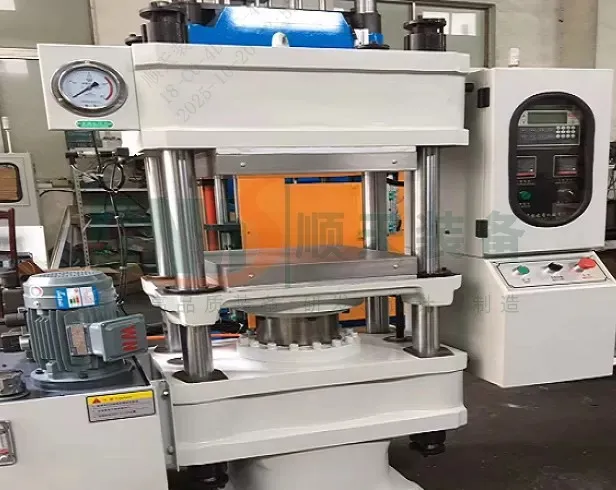
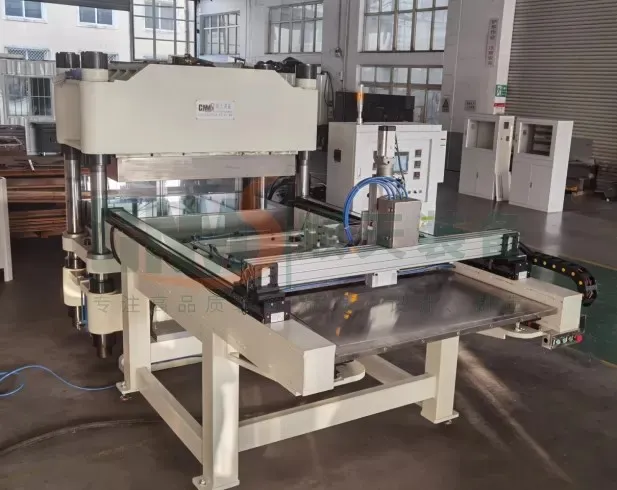
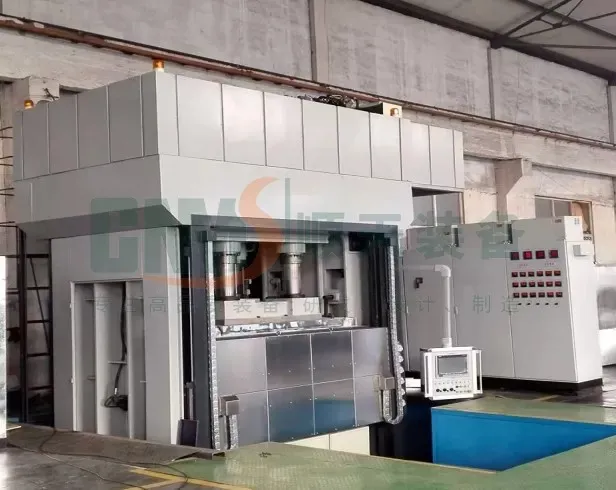
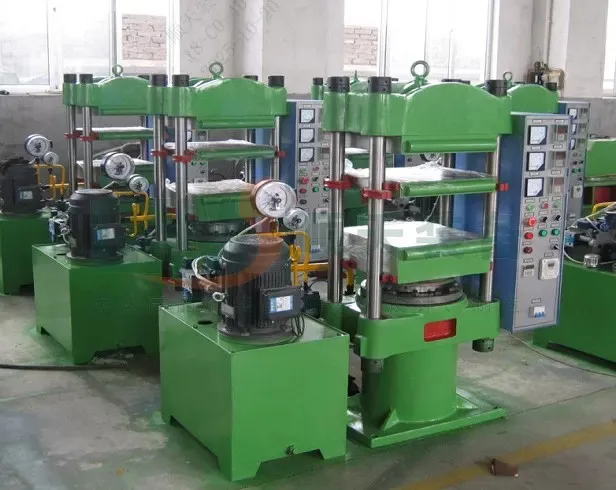
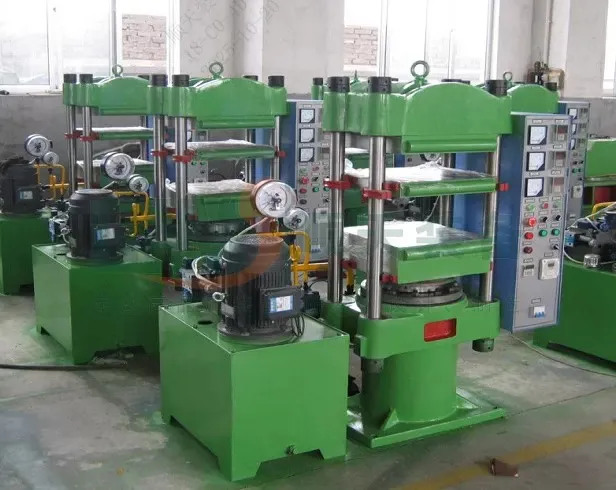
Users in rubber processing often face the challenge of achieving the right vulcanization efficiency, which is critical for product durability and performance. Many manufacturers struggle with varying temperature controls and inconsistent product quality. Enter the plate vulcanizer—a pivotal machine in transforming raw rubber into high-performance products. This article explores how a plate vulcanizer functions, highlighting user stories and offering practical solutions for common rubber processing problems. Whether you are managing a production line or just starting in the rubber industry, understanding the mechanics and benefits of a plate vulcanizer will enhance your processing capabilities.
To efficiently use a plate vulcanizer, you'll need the following:
Quality Raw Materials: Ensure you have high-grade rubber and accelerators, as they significantly impact the vulcanization process.
Tools: Specific tools for measurement and adjustments, such as thermometers and pressure gauges.
Space: A designated area for installation that can accommodate the size and operations of the vulcanizer.
Operating a plate vulcanizer involves a series of systematic steps. Below is a clear guide:
Step 1: Prepare the Rubber Mixture
Combine your rubber with accelerators and fillers based on your product specifications. Proper mixing is crucial for consistency.
Step 2: Set Up the Plate Vulcanizer
Position the vulcanizer on a stable surface, ensuring that it is securely connected to the power supply.
Step 3: Adjust Temperature and Pressure
Based on the mixture, set your vulcanizer's temperature (usually between 140°C to 180°C) and pressure (around 8 to 15 MPa). Accurate settings are vital for optimal results.
Step 4: Load the Rubber into the Mold
Carefully load your prepared rubber into the mold and close the vulcanizer plates securely.
Step 5: Start the Vulcanization Process
Activate the vulcanizer and monitor the time required for the process, which typically lasts between 10 to 30 minutes, depending on the rubber type.
Step 6: Cool Down and Remove the Product
Once the cycle is complete, allow the vulcanizer to cool down before safely removing your finished product.
While using a plate vulcanizer, manufacturers may encounter several issues:
Error: Inconsistent Quality
Solution: Check temperature calibration and ensure even mixing of rubber composite ingredients.
Error: Surface Defects in Products
Solution: Inspect mold cleanliness and apply the appropriate release agent. Ensure adequate pressure is maintained throughout the cycle.
Error: Poor Adhesion of Components
Solution: Verify the compatibility of rubber materials and the curing agents utilized.
In summary, understanding how a plate vulcanizer operates and how to properly utilize it is essential for those in the rubber processing industry. Users like Mark, a production manager at a rubber manufacturing plant, reported a 45% improvement in product consistency after refining their vulcanization process with a Shuntian plate vulcanizer. With meticulous attention to detail during preparation and operation, you can enhance your production output and maintain high-quality standards. For future projects, always consider investing in advanced equipment like the Shuntian plate vulcanizer to further streamline your production process and mitigate common issues.
The ideal temperature typically ranges from 140°C to 180°C, but exact values may vary based on specific rubber grades.
The duration usually spans from 10 to 30 minutes, depending on the rubber composition and product size.
Yes, a quality plate vulcanizer can be adjusted to work with various rubber types, including natural and synthetic formulations.



 中文
中文