June 09, 2026
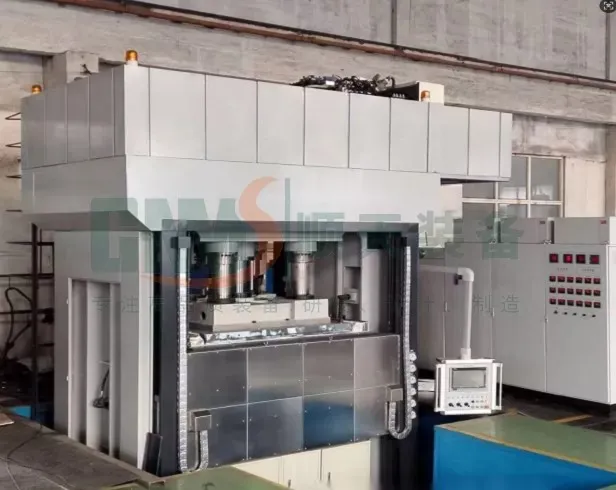
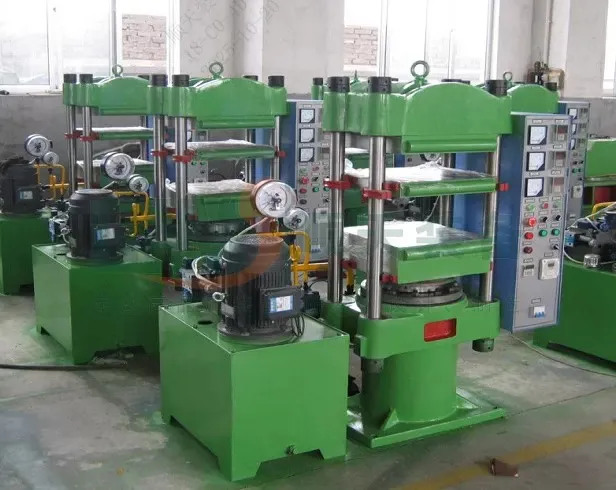
Electrolyzer assembly lines are crucial in hydrogen production, allowing for the efficient manufacturing of electrolyzers, the devices that use electricity to split water into hydrogen and oxygen. There are two main types of assembly lines: fully automated and semi-automatic, each with its distinct advantages and applications.
The following table outlines the core parameters that distinguish fully automated and semi-automatic electrolyzer assembly lines:
| Parameter | Fully Automated | Semi-Automatic |
|---|---|---|
| Cost | Higher initial investment | Lower initial investment |
| Efficiency | Maximized efficiency | Moderate efficiency |
| Flexibility | Less flexible in product changes | More flexible for varying products |
| Labor Requirements | Minimal labor required | Requires skilled operators |
| Maintenance | Complex maintenance | Relatively simpler maintenance |
In real-world applications, both types of electrolyzer assembly lines have shown varying performance metrics in terms of battery life and system durability:
Understanding the advantages and disadvantages of each system can aid in making an informed decision:
The choice between fully automated and semi-automatic electrolyzer assembly lines largely depends on the specific needs and capabilities of the purchasing group:
In conclusion, both fully automated and semi-automatic electrolyzer assembly lines offer unique benefits and challenges. The decision should consider factors like initial investment, production requirements, and long-term operational costs. At Hydrogen Machine, we at Shuntian understand the importance of this decision in achieving your hydrogen production goals.



 中文
中文