June 11, 2026
In an era of increasing energy demands and a transition towards sustainable energy solutions, the PEM (Proton Exchange Membrane) Electrolyzer Production Line presents a revolutionary approach to hydrogen production. This technology addresses several pain points, including the need for efficient hydrogen generation in various sectors, such as renewable energy storage, industrial applications, and fuel cell technologies. With a projected growth rate of 20.3% CAGR between 2022 and 2030 for the global electrolyzer market, it is essential to understand the processes and benefits associated with PEM electrolyzers, particularly the differences between fully automated and semi-automated production lines.

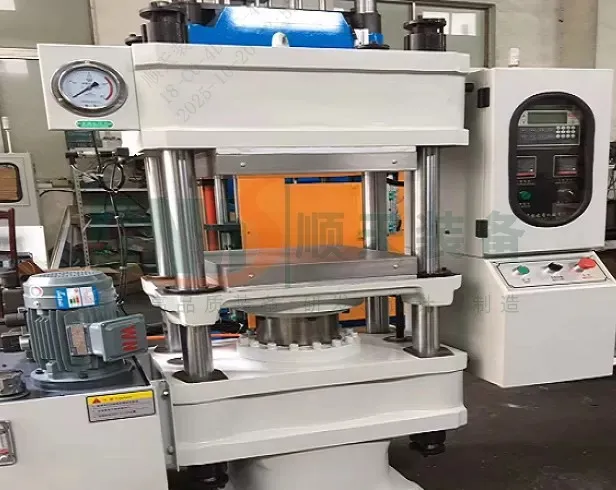
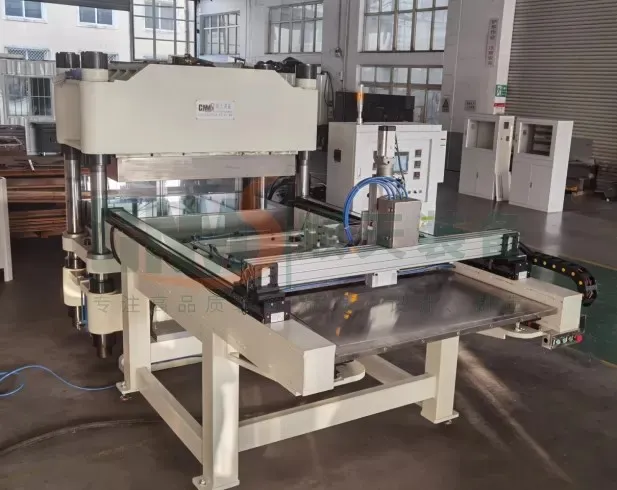
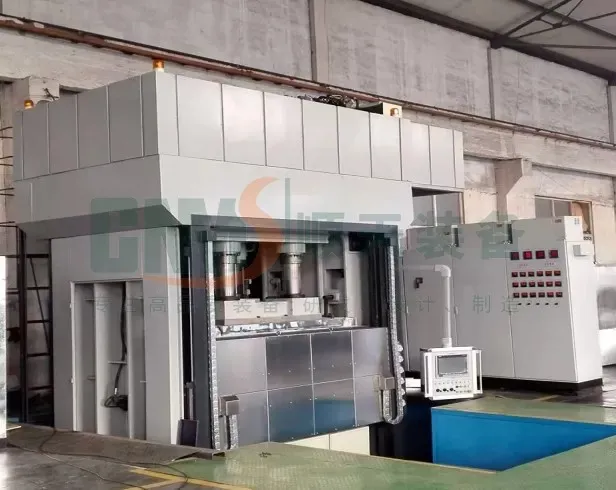
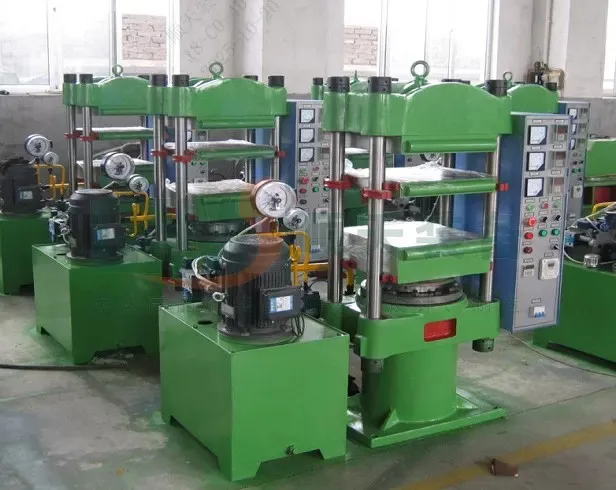
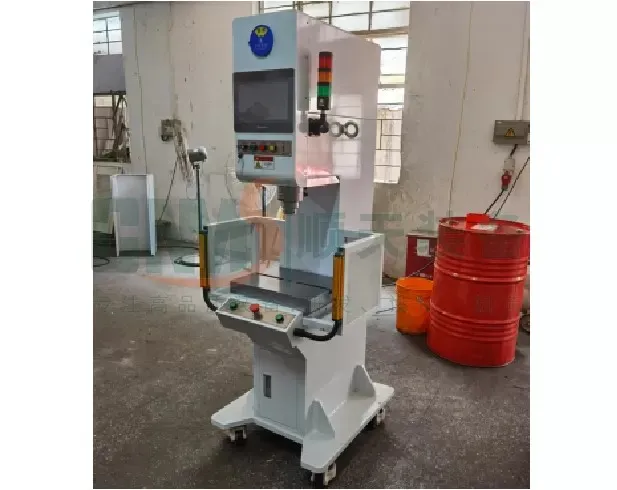
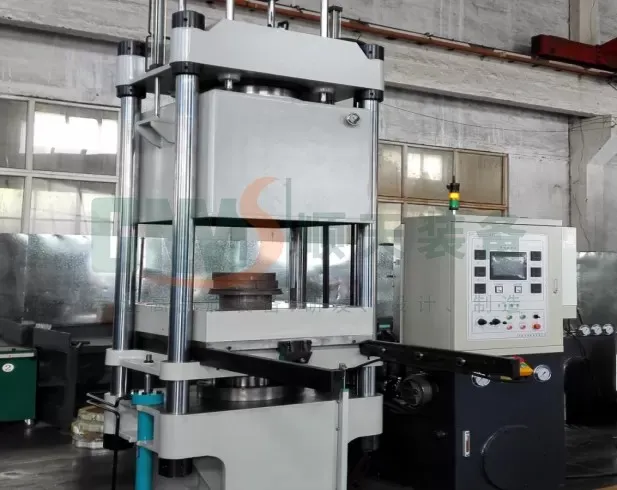
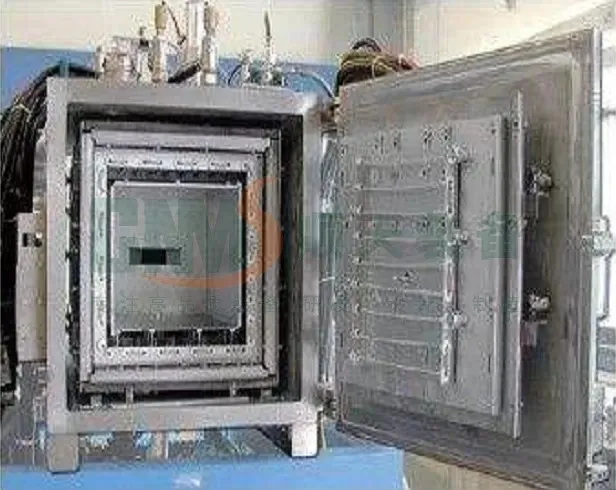
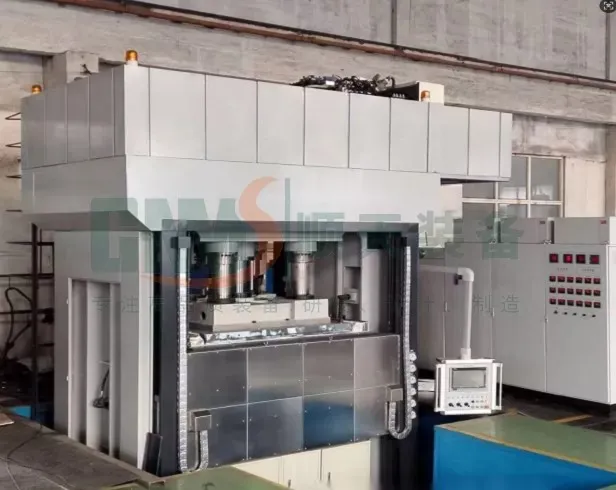
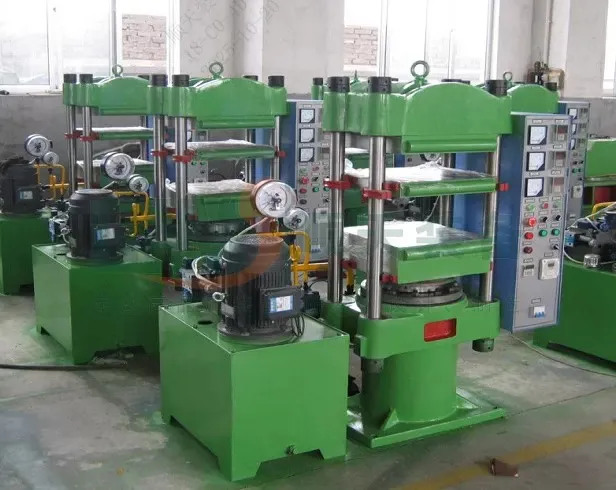
The PEM Electrolyzer Production Line refers to the specialized equipment and machinery utilized to manufacture PEM electrolyzers, which are essential for producing hydrogen through water electrolysis. In this process, an electric current is applied to water, leading to the separation of hydrogen and oxygen molecules.
Key components of this production line include:
The term "electrolysis" derives from chemical processes where ions migrate towards electrodes under electric fields, a concept grounded in well-understood electrochemical principles.
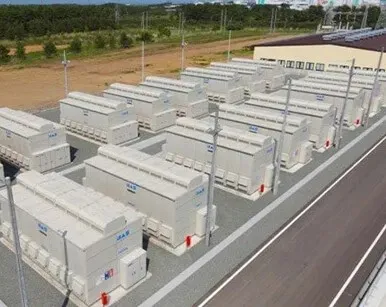
PEM electrolyzers find applications across various sectors, underscoring their significance in modern energy solutions:
These diverse applications underscore how the PEM Electrolyzer Production Line can support a cleaner and more sustainable energy landscape.
The PEM Electrolyzer Production Line offers significant advantages over other types of electrolyzers:
These advantages highlight the essential role that PEM technology plays in moving towards energy efficiency and sustainability.
For those interested in exploring the PEM Electrolyzer Production Line further, it is advisable to consult the user manual provided by manufacturers like Shuntian. This manual offers insights on the operational intricacies, safety guidelines, and maintenance procedures necessary for optimizing system performance.
What is the expected lifespan of a PEM Electrolyzer? The average lifespan can range from 5 to 10 years, depending on operating conditions and maintenance.
What kind of maintenance do PEM electrolyzers require? Regular inspections, cleaning of components, and monitoring of performance are crucial for longevity and efficiency.
Can PEM Electrolyzers work with renewable energy sources? Yes, they are specifically designed to integrate seamlessly with renewable energy systems.
In conclusion, the PEM Electrolyzer Production Line presents a significant breakthrough in the pursuit of sustainable hydrogen production, which is becoming increasingly vital across different industries. For further understanding or trial, consider exploring solutions from Shuntian and their offerings in hydrogens technology.


 中文
中文