July 15, 2026
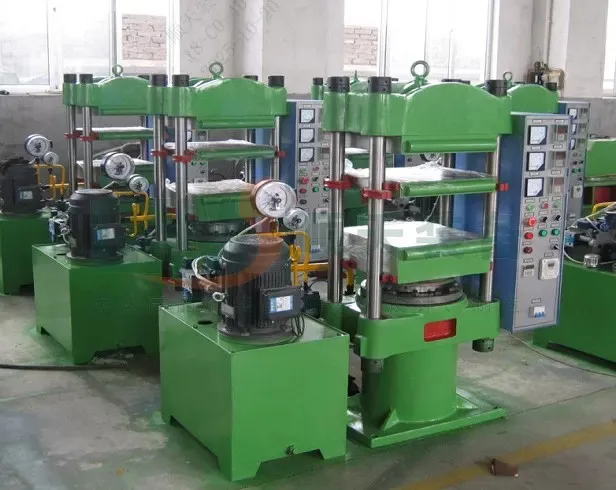
In the evolving landscape of energy solutions, the hydrogen production machine plays a crucial role in generating hydrogen fuel through electrolysis. This innovative technology enables the efficient conversion of water into hydrogen and oxygen, boasting significant implications for industries ranging from transportation to power generation. For businesses, the unequivocal value lies in the ability to produce hydrogen at scale, reducing reliance on fossil fuels and striving towards sustainability goals.
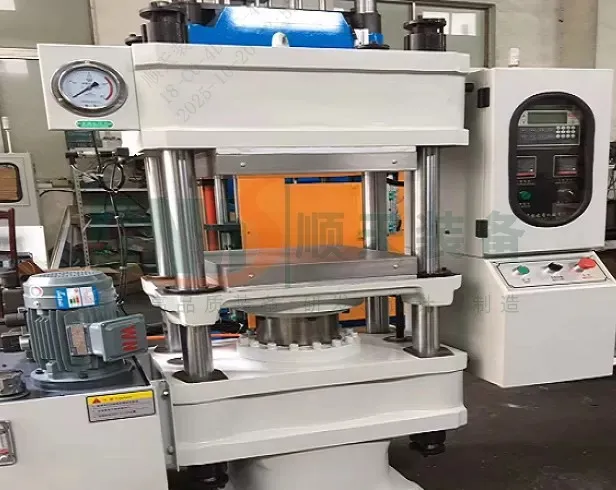
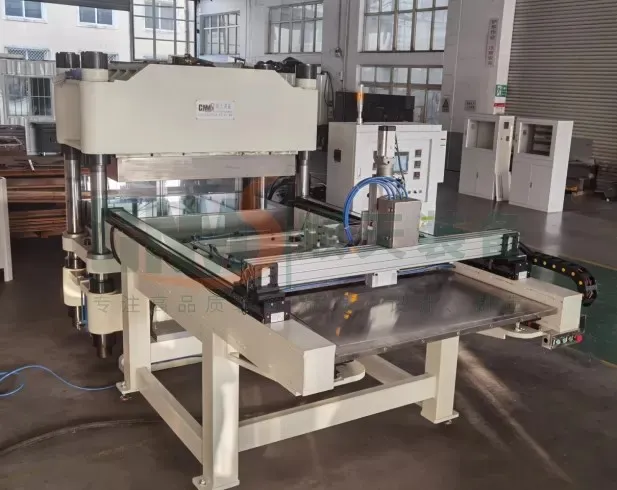
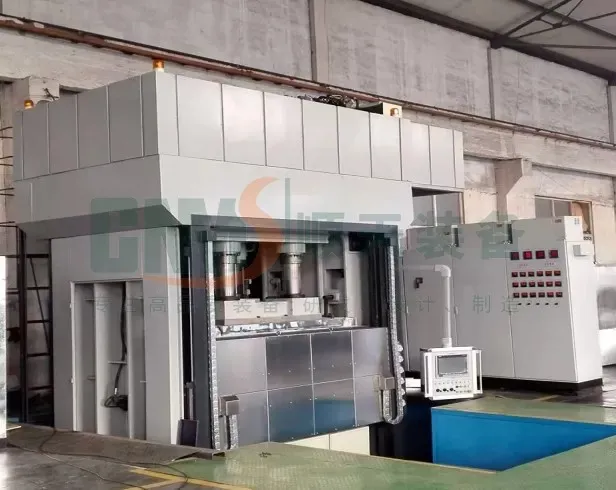
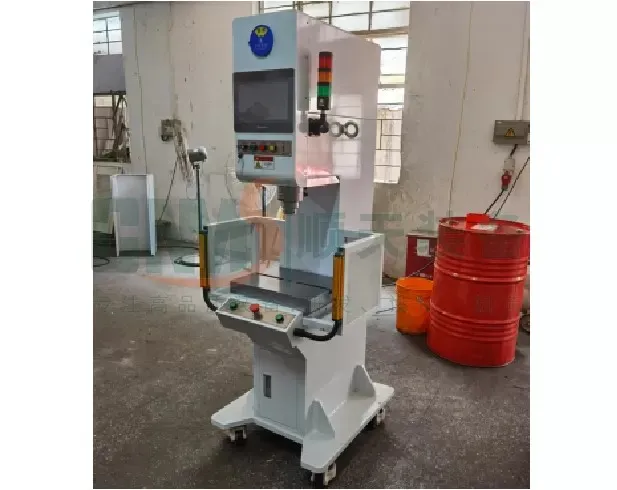
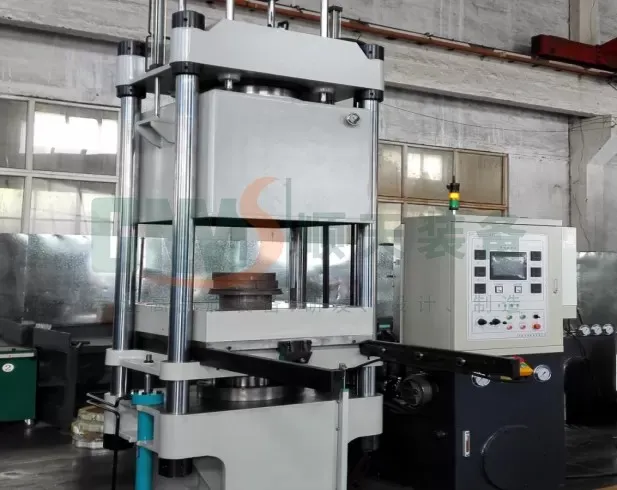
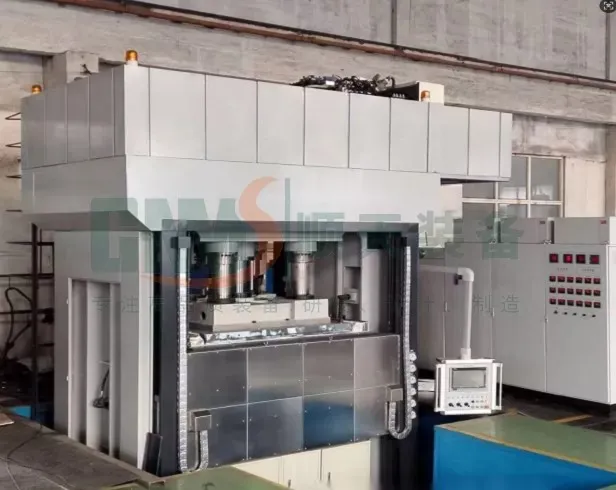
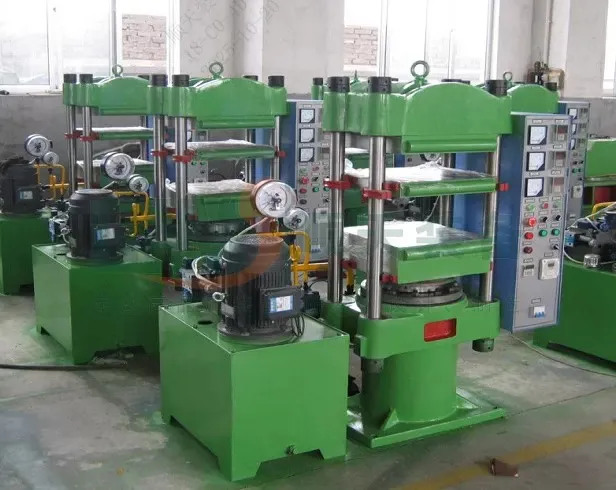
The focus on hydrogen technology can be traced back to the early 19th century when scientists first unlocked the secrets of electrolysis. Today, the demand for renewable energy sources has led to a renaissance in hydrogen production, with companies like Shuntian spearheading advancements. A fully automated hydrogen production machine represents the cutting edge in this field, offering streamlined operations and exceptional precision, while semi-automatic systems remain valuable alternatives for less demanding applications.
In practical terms, a fully automated hydrogen production machine can achieve remarkable efficiencies. For instance, these machines can produce hydrogen at precision levels of 0.01 mm, ensuring that safety and quality standards, such as ASTM and DIN, are rigorously met. The significance of these advancements is amplified in real-world applications, where businesses are able to scale production without compromising quality. Such machines can operate continuously, providing a constant supply of hydrogen, which is paramount in industries like automotive and aerospace, where fuel cells are becoming mainstream.
However, misconceptions about fully automated versus semi-automatic systems still exist. Some may believe that semi-automatic machines are sufficient for all applications, ignoring the advantages that automation brings. In reality, the initial investment in a fully automated hydrogen production machine is often offset by lower labor costs, reduced human error, and enhanced production capabilities. Furthermore, fully automated systems are designed with advanced sensors and monitoring technology that yield 100% inspection rates, safeguarding product integrity.
Consider the case of a leading automotive manufacturer that implemented Shuntian's automated hydrogen production machine within its operations. By transitioning from a semi-automatic setup to a fully automated system, the company increased its hydrogen output by 40%, reduced production downtime by 25%, and met stringent quality control measures effortlessly. Such transformations not only boost efficiency but also enhance sustainability commitments, contributing positively to corporate social responsibility goals.
In summary, understanding the distinctions between fully automated and semi-automatic hydrogen production machines is crucial for businesses looking to innovate and adapt to the demands of a greener future. The potential for operational efficiency and compliance with high standards serves as compelling reasons for investment in these technologies. For organizations seeking to harness the power of hydrogen fuel, exploring the capabilities of a hydrogen production machine from trusted brands like Shuntian will undoubtedly propel their growth in the renewable energy sector. Take the step towards automation and redefine your production capabilities today.


 中文
中文