June 30, 2026
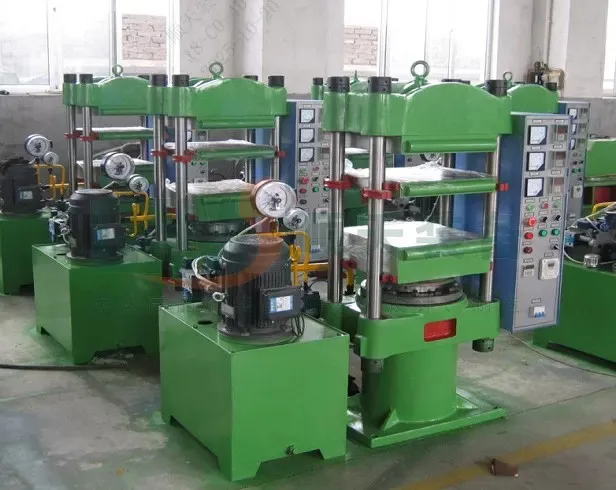
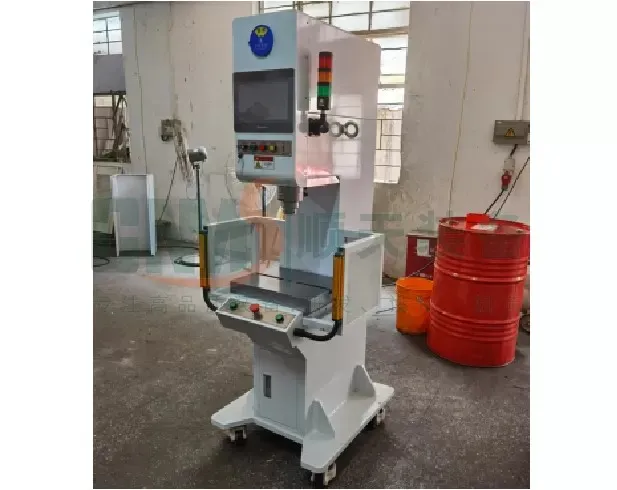
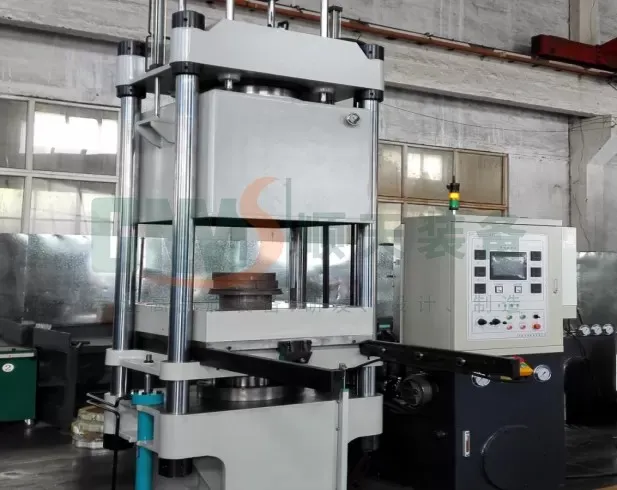
In today’s manufacturing and industrial sectors, hydraulic press systems have emerged as essential tools for achieving high efficiency in various processes. The hydraulic press operates by utilizing a hydraulic mechanism to generate substantial force, often up to 10,000 lbs, making it suitable for tasks ranging from metal forming to plastic molding. Given its energy-saving capabilities and precision, the hydraulic press is gaining traction across multiple fields, addressing pain points in productivity and operational costs. In this article, we will explore the significance of hydraulic press systems, the energy-saving benefits of servo press systems, and their various applications in modern industry.
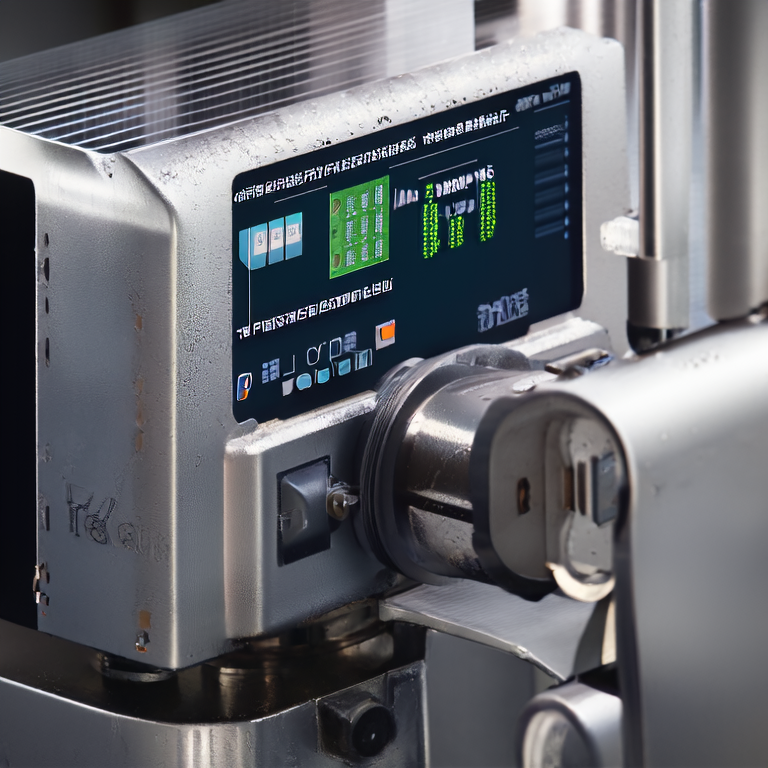
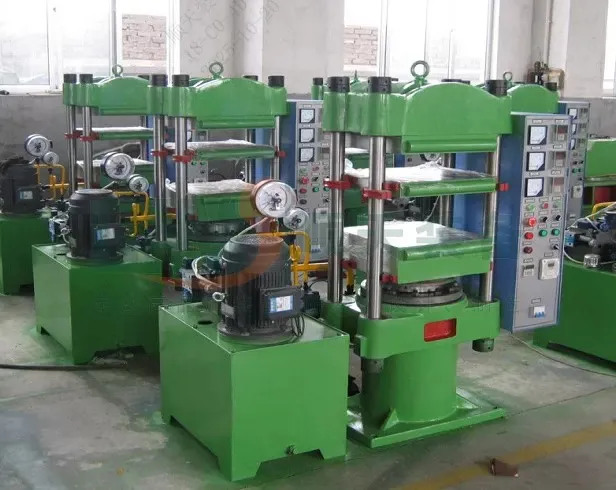
A hydraulic press is a machine that uses a hydraulic cylinder to generate a compressive force through a fluid-operated mechanism. According to the Hydraulic Institute, hydraulic presses can create pressures ranging from 1,000 to over 10,000 psi, enabling them to perform tasks with precision. The technology behind hydraulic presses most commonly employs Pascal's Law, which states that when pressure is applied to a confined fluid, it is transmitted undiminished throughout the fluid. Understanding the core components, such as the hydraulic cylinder, pump, and fluid reservoir, is crucial for appreciating their functionality in various applications.
Hydraulic press systems find applications across diverse sectors. Here are some noteworthy examples:
Automotive Industry: Hydraulic presses are extensively used for metal stamping, assembly, and forming operations that ensure the structural integrity of vehicles. Manufacturers report a cycle time reduction of 20% as a direct result of adopting hydraulic press technology.
Manufacturing: In the production of components ranging from small electrical parts to large machinery components, hydraulic presses facilitate efficient metal forming processes. Studies indicate that the adoption of hydraulic presses in manufacturing can lead to a 30% reduction in scrap rates, promoting sustainability.
Plastics and Composites: Hydraulic presses are instrumental in molding processes for plastic and composite materials. Research by the Society of Plastic Engineers highlights that hydraulic presses can achieve consistent wall thicknesses and shapes, increasing product yield by over 25%.
The advantages of hydraulic press systems extend beyond just their powerful compression capabilities. Key benefits include:
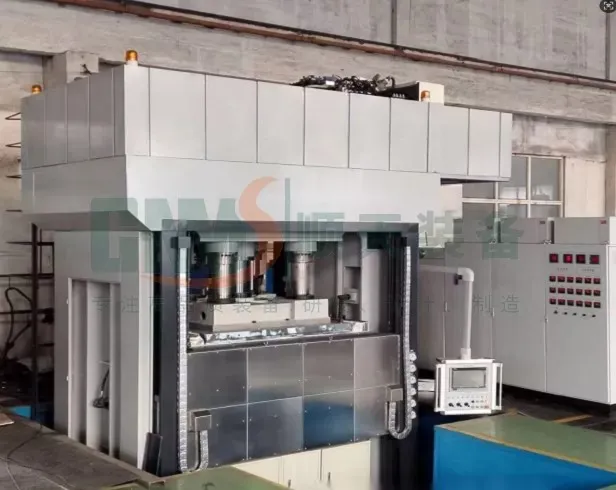
Energy Efficiency: Servo press systems, a type of hydraulic press, utilize electric servo motors to control the speed and force, achieving energy savings of up to 70% compared to traditional hydraulic systems. This efficiency translates to lower operational costs, making it an economically viable option for businesses.
Precision and Control: Hydraulic presses offer consistent force and control, which is critical for quality assurance in production. Industries report enhanced product quality and reduced maintenance costs through predictive maintenance facilitated by integrated sensors.
Safety: Hydraulic presses come equipped with safety features to minimize the risk of accidents during operation. A study from the National Institute for Occupational Safety and Health (NIOSH) indicates that the implementation of hydraulic presses reduced workplace injuries by 15%.
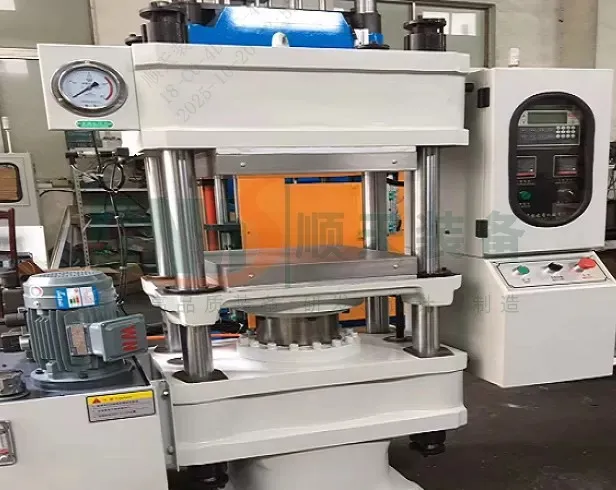
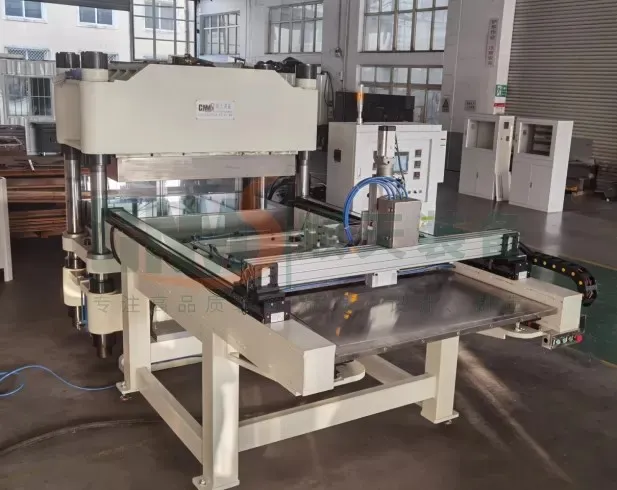
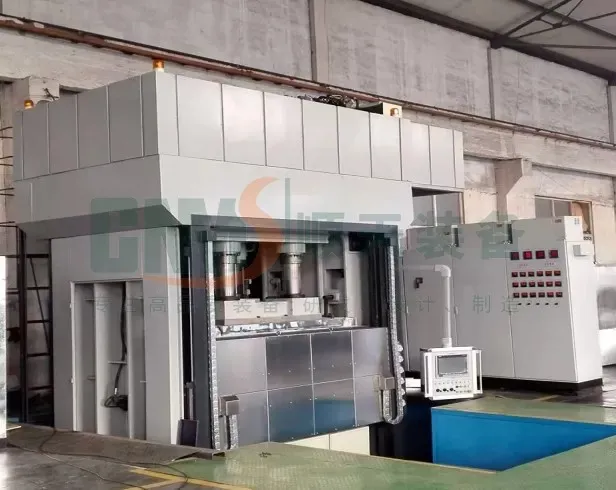
For those interested in implementing hydraulic press technology, the next step is to consult the user guide for specific operational instructions tailored to your requirements. Organizations such as Shuntian specialize in providing high-quality hydraulic press systems that cater to a variety of industrial needs. Their commitment to service and reliability can assist you in maximizing the benefits of this technology.
What is a hydraulic press used for?
Hydraulic presses are used for various applications, including metal forming, embossing, and molding processes. They are crucial in multiple industries, including automotive and manufacturing.
How does a hydraulic press save energy?
Servo hydraulic presses save energy by using electric motors to control the hydraulic functions, improving energy efficiency by up to 70% compared to standard hydraulic systems.
What are the safety features of hydraulic presses?
Most hydraulic presses are designed with safety interlocks, pressure relief valves, and emergency stop switches to ensure safe operation and reduce workplace accidents.
Understanding the capabilities and advantages of hydraulic press systems, especially energy-efficient servo presses, opens new avenues for productivity and cost-effectiveness in any industry. To truly make an informed decision, consider trialing systems from reputable brands like Shuntian, ensuring you keep pace with technological advancements while optimizing your operational efficiency.




 中文
中文