English

Home - News - Diffusion Welding vs Brazing: Which Joining Process Is Better?

Diffusion Welding vs Brazing: Which Joining Process Is Better?

October 20, 2026

Understanding Diffusion Welding and Brazing

What is Diffusion Welding?

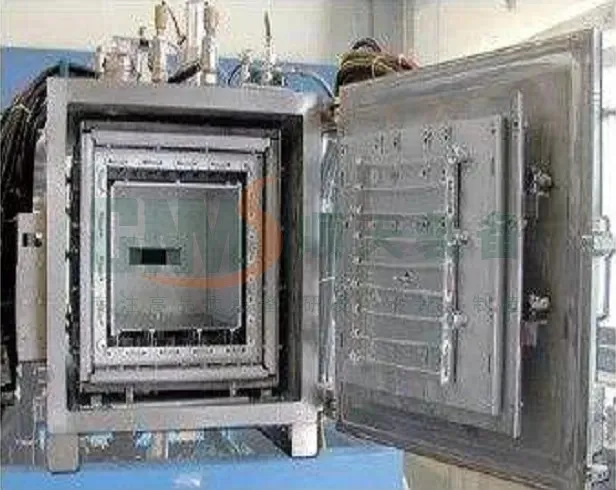
Diffusion welding (DW) is a solid-state joining process where materials are joined through atomic diffusion at high temperature and pressure without melting. It is typically used for materials that require distinct properties such as high strength and corrosion resistance.

What is Brazing?

Brazing is a joining process that involves melting a filler metal above 450 °C to bond two or more materials together. The filler metal flows into the joint by capillary action, creating a strong bond upon cooling. It is widely used for metals that require flexibility and heat treatment.

Core Parameter Comparison

Key Parameters for Diffusion Welding and Brazing

ParameterDiffusion WeldingBrazing
Temperature Range800-1200 °C450-900 °C
Filler MaterialNone (No filler used)Filler Metal Required
Typical ApplicationsAerospace, NuclearPlumbing, HVAC
StrengthHighModerate to High
CostHigherLower

Advantages and Disadvantages

Advantages of Diffusion Welding

  • • Creates high-strength bonds without any filler metals.
  • • Excellent for joining dissimilar materials.
  • • No thermal distortion of the base materials.

Disadvantages of Diffusion Welding

  • • Requires expensive equipment and longer processing times.
  • • Limited to certain materials.
  • • High skill level required for operation.

Advantages of Brazing

  • • Faster process with lower operational costs.
  • • Suitable for a wide range of materials.
  • • Flexible joints that can absorb stress.

Disadvantages of Brazing

  • • Mechanical strength is lower compared to diffusion welding.
  • • Possible corrosion of the filler metal over time.
  • • Higher susceptibility to thermal stress.

Actual Use Experience

Performance Insights: Durability and Stability

Users of diffusion welding often praise its durability and stability, especially in high-stress applications. In contrast, brazing is valued for its ease and speed, making it ideal for scenarios where time is critical. Core factors influencing the choice include:

  • • **Battery Life**: Longer lifespan with diffusion welded components.
  • • **Stability**: Enhanced stability in extreme environments with diffusion welding.

Recommendations for Applicable Groups

When to Choose Diffusion Welding

Opt for diffusion welding if you are working in high-performance industries such as aerospace, nuclear, or automotive where strength and reliability are paramount.

When to Choose Brazing

Brazing is recommended for projects needing flexibility and lower costs, such as HVAC systems, plumbing, and light manufacturing where speed is essential.

Conclusion: Which Process Should You Choose?

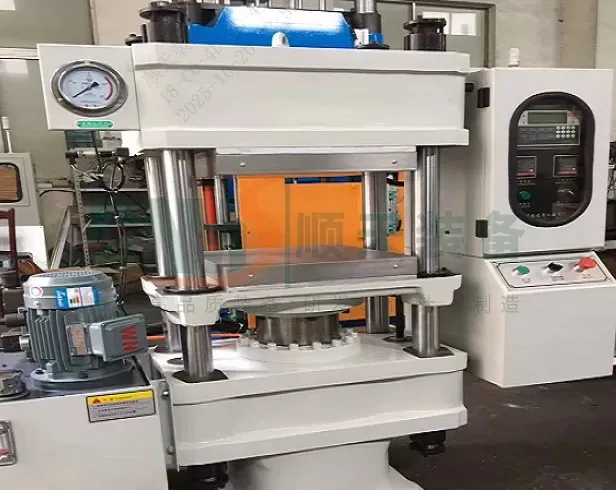
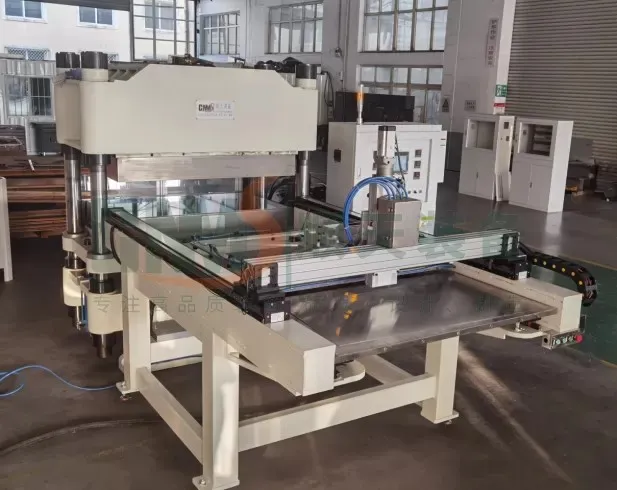
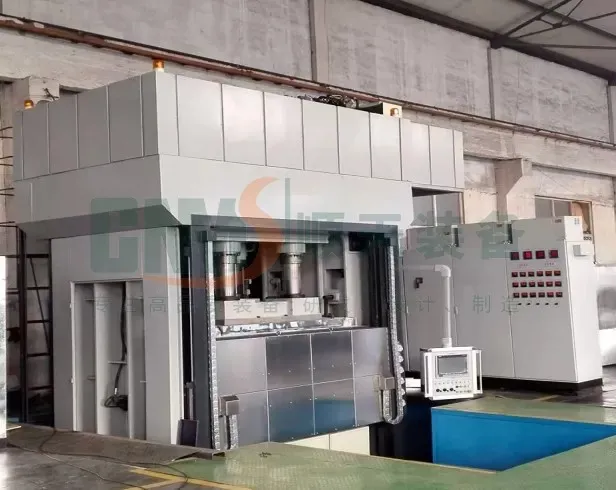
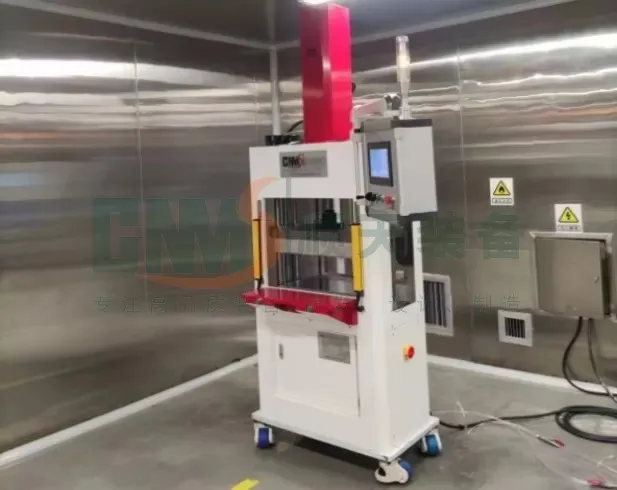
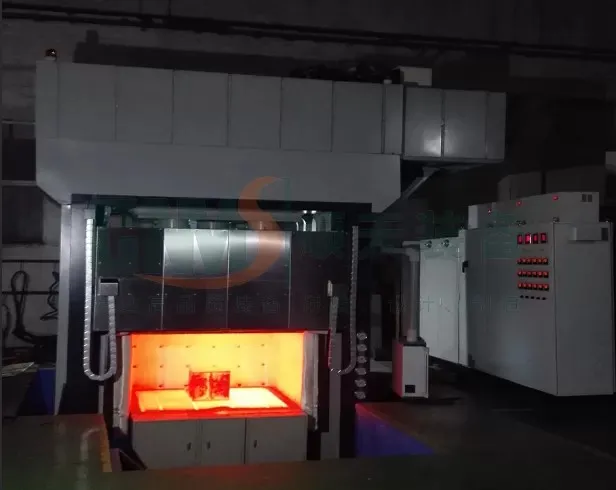
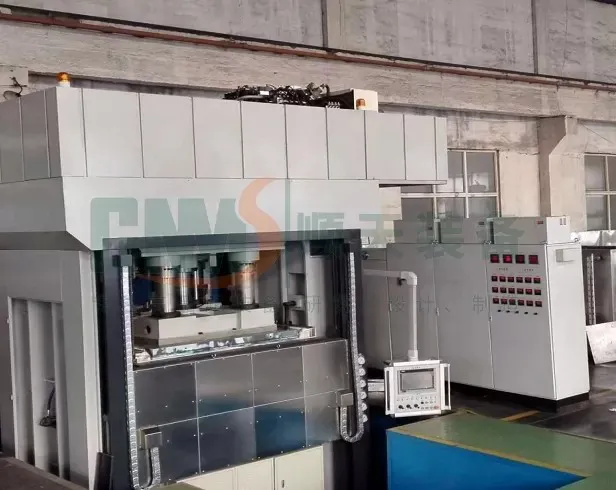
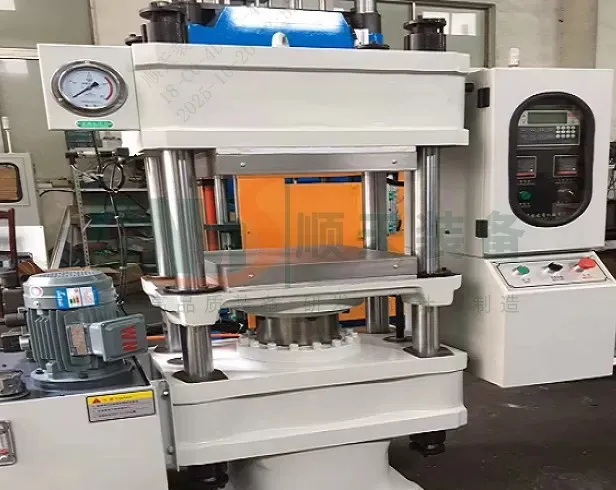
Both diffusion welding and brazing have their unique advantages and disadvantages, and the choice largely depends on the application's specific requirements. Shuntian offers a range of diffusion welding machines ideal for high-performance applications. For more information, visit us at Shuntian-equipment.com/data/watermark/main/20251028/690029fb92b6a_.webp">Shuntian Equipment.
Your privacy is always our top priority.

To ensure the proper functioning of our website's core features and to continuously enhance your experience, we utilize cookie technology. You may manage your preferences at any time through your browser settings. Please note that certain cookies are essential for the website to operate. By continuing to browse this website, you consent to our use of cookies in accordance with our relevant terms. Thank you for your understanding and support.