December 18, 2025
On the critical path toward scaling and commercializing the hydrogen energy industry, the production technology of graphite bipolar plates has quietly become a focal point of competition within the supply chain. The performance, cost, and production capacity determined by their manufacturing level are not merely parameters of a single component but a strategic lever capable of shifting the market landscape of downstream products.
For new entrants and expanding enterprises, the real challenge has long surpassed the procurement of individual equipment. It lies instead in how to systematically build a production line that is efficient, stable, flexible, and backed by a clear profitability outlook. This precisely reveals the deeper value of the “Integrated Graphite Bipolar Plate Production Line Solution” — essentially, it provides a new production logic that encompasses process, automation, data, and services, forming a core barrier for enterprises to build long-term competitiveness.
Why has the integrated graphite bipolar plate production line solution become an industry necessity?
The traditional piecemeal equipment procurement model often leads to the following issues:
1. Process Discontinuity: Poor compatibility between equipment from different production stages and inconsistent production rhythms create bottlenecks.
2. Data Silos: Production, quality, and equipment data remain isolated and cannot be interconnected or traced.
3. High Hidden Costs: Extended integration and debugging periods, high labor costs, and overall expenses exceeding expectations.
4. Difficulty in Upgrading: Lack of top-level design makes it hard to adapt to future product iterations or capacity expansion needs.
In contrast, an excellent integrated solution fundamentally addresses these issues. It delivers a ready-to-use, reliable, and scalable full production line to clients, ensuring their long-term competitiveness.

Core Components: The Five Pillars of a Top-Tier Solution
A comprehensive integrated graphite bipolar plate production line solution typically covers the following core modules, which together form a complete value loop:
1. Deep Customization of Process and Capacity Design
●Precision Planning: Conducts full-process simulation and process design based on the customer's product type (composite plate/flexible graphite plate), target capacity (e.g., XX million pieces annually), and technical specifications.
●Parameter Assurance: Provides validated process parameter packages for key steps such as molding, impregnation, machining, and inspection, ensuring product performance and yield from the outset.
2. Full-Process Automation and Flexible Integration
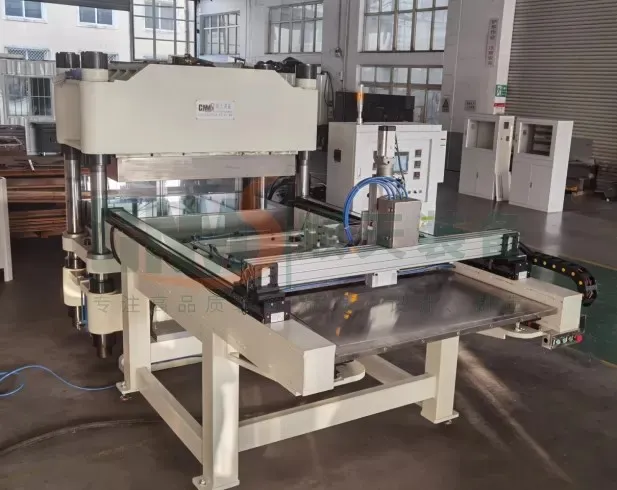
●Automated Flow: Integrates robotic arms, AGVs/RGVs, and a central control system to achieve fully automated material handling and production, minimizing manual intervention.
●Flexible Adaptation: The production line features quick changeover capabilities, allowing flexible adaptation to bipolar plates of different sizes and flow field designs, and supports product iteration and capacity adjustments.
3. Data-Driven Intelligent Production Management
●End-to-End Traceability: Connects equipment via an MES system to monitor production, quality, and equipment data in real time, enabling full lifecycle traceability with a "one plate, one code" system.
●Analytics and Optimization: Utilizes data to predict failures, identify quality fluctuations, and continuously optimize production efficiency (OEE) and unit cost.
4. Precise Matching of Key Core Equipment
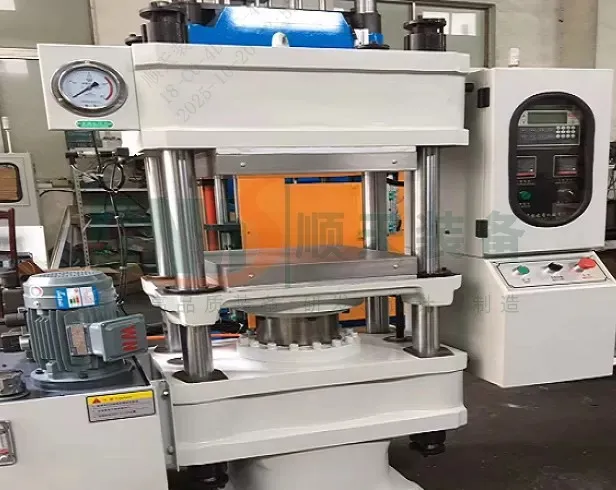
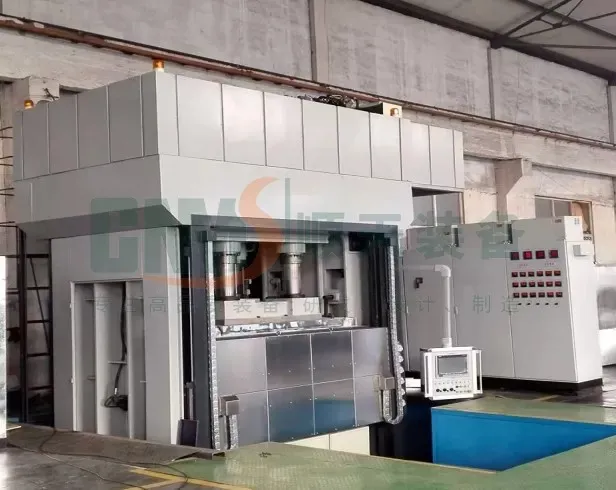
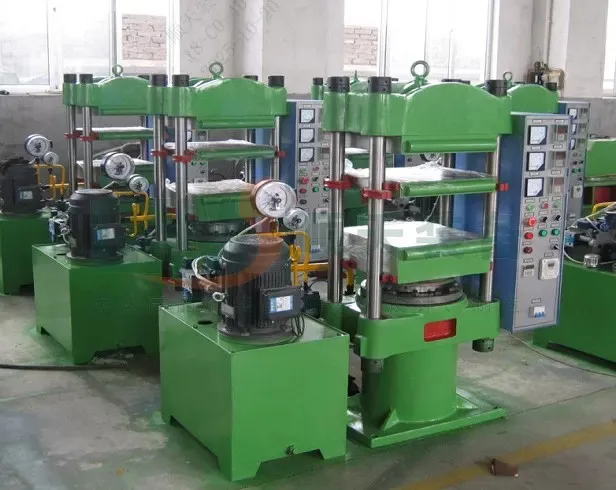
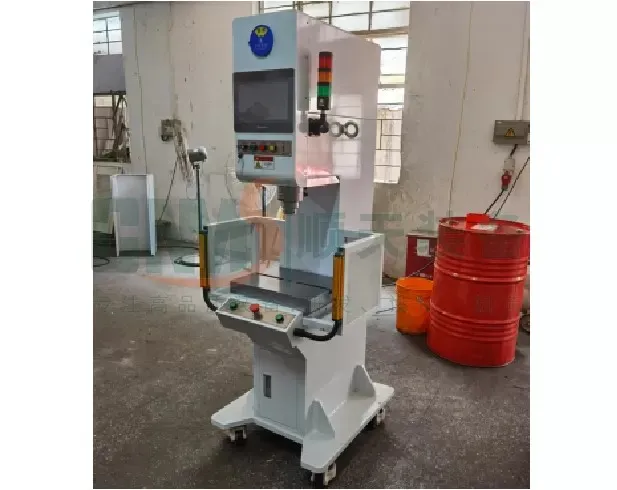
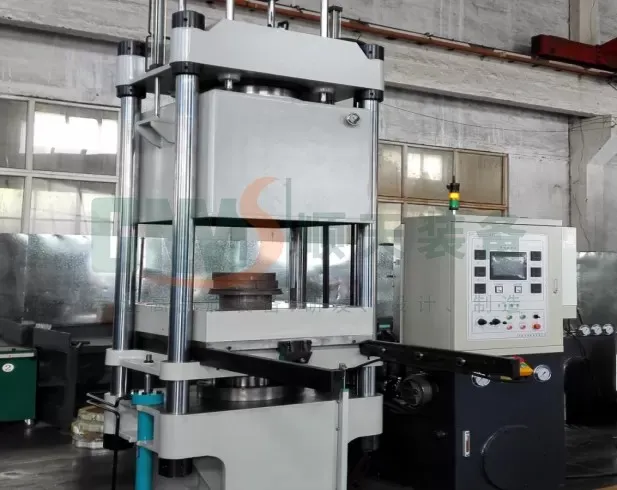
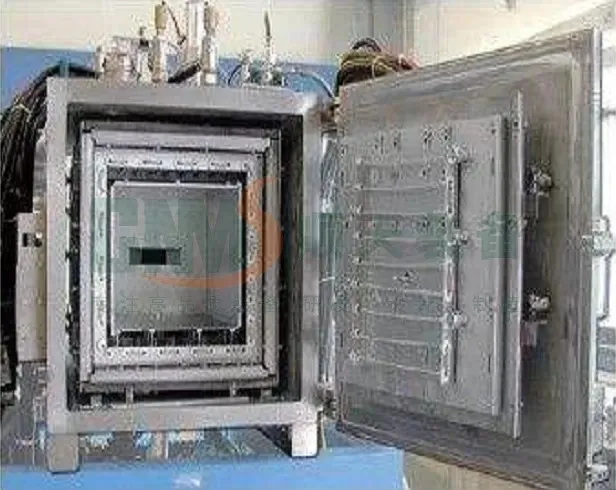
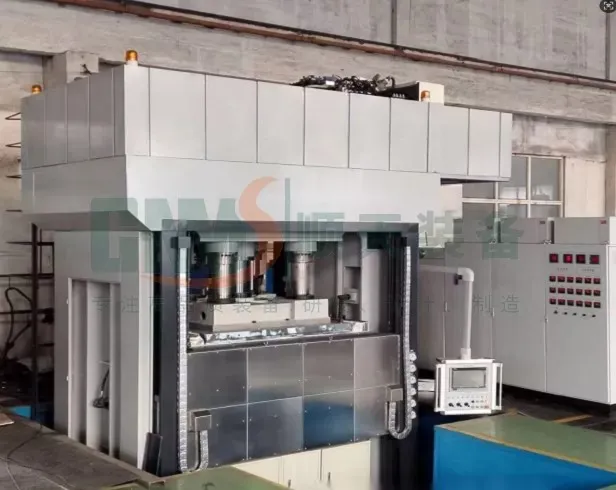
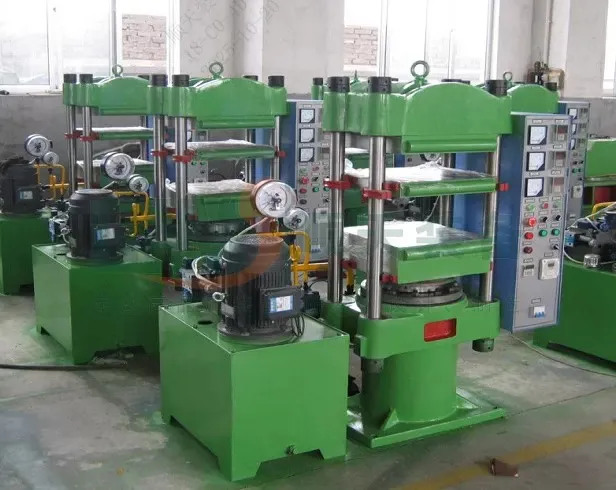
●Integrated Specialized Equipment: Supplies a full range of core equipment, from molding and impregnation to graphitization, precision machining, and vision inspection, with support for custom solutions.
●System Synergy: Ensures seamless coordination among all equipment in terms of precision, cycle time, and communication, eliminating production bottlenecks.
5. Full Lifecycle Service and Support
●Implementation Support: Covers planning, commissioning, training, and process guidance until the production line reaches stable mass production.
●Long-Term Enablement: Provides remote operation and maintenance, consumables supply, process upgrades, and capacity expansion consulting, acting as a sustainable partner for the customer.

Four Key Considerations for Choosing an Integrated Solution Provider
Faced with numerous graphite bipolar plate production line solution providers in the market, how can you make an informed choice? We recommend thoroughly examining and evaluating potential suppliers from the following four dimensions:
1. Depth of Process Understanding
Does the supplier possess professional expertise in materials and electrochemistry? Can they genuinely understand and optimize your process route, rather than merely assembling equipment?
2. Track Record and Industry Reputation
Examine whether they have successfully delivered and maintained stable operations for leading clients in the industry. This serves as the best proof of technical reliability.
3. Openness and Foresight of the Technical Architecture
Does the solution adopt a modular and open architecture? Can it seamlessly integrate with factory-level systems and provide flexibility for future technological upgrades?
4. Value Commitment and Quantifiable Metrics
Can the supplier commit to quantifiable key performance indicators—such as overall yield, equipment efficiency, and energy consumption—in the contract, and clearly explain how these targets will be achieved?
At this critical stage as the hydrogen energy industry moves toward large-scale competition, investing in a technologically advanced, intelligent, and efficient integrated graphite bipolar plate production line is essentially an investment in a company’s sustainable core competitiveness. This not only means faster time-to-production, lower operating costs, and higher product consistency, but also represents a future-ready agile manufacturing capability—able to respond swiftly to technological iterations and market changes. For enterprises aspiring to lead the industry, choosing a truly reliable solution partner to jointly build the next-generation production system is no longer just a technical decision; it is a key strategy that will determine their future market position.


 中文
中文