June 05, 2026
In today's rapidly evolving manufacturing landscape, the Hot Press Forming Machine has emerged as a pivotal technology, redefining how industries approach material shaping and processing. With applications across various sectors, from automotive to aerospace, this machine addresses significant pain points such as time efficiency and product consistency. Users typically struggle with common defects in MEA hot pressing, including uneven thickness and inadequate bonding. By effectively utilizing a Hot Press Forming Machine, manufacturers can streamline production processes, significantly reduce waste, and enhance product quality.
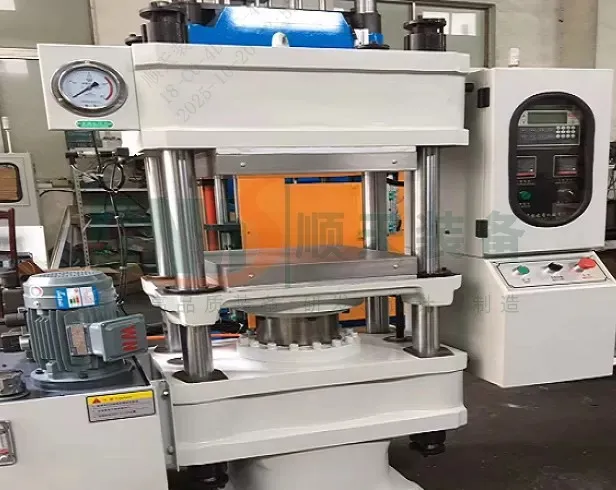
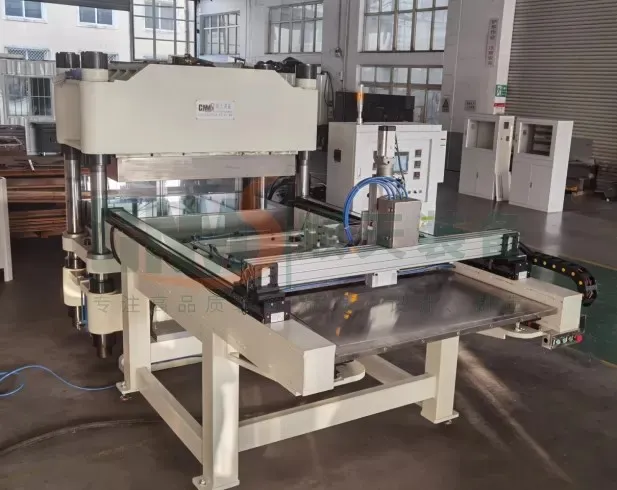
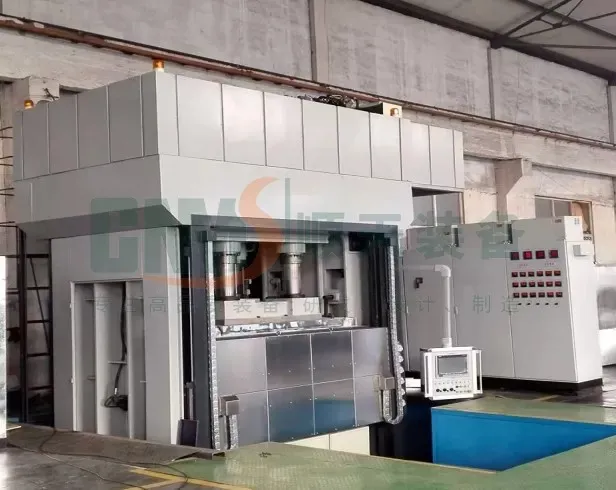
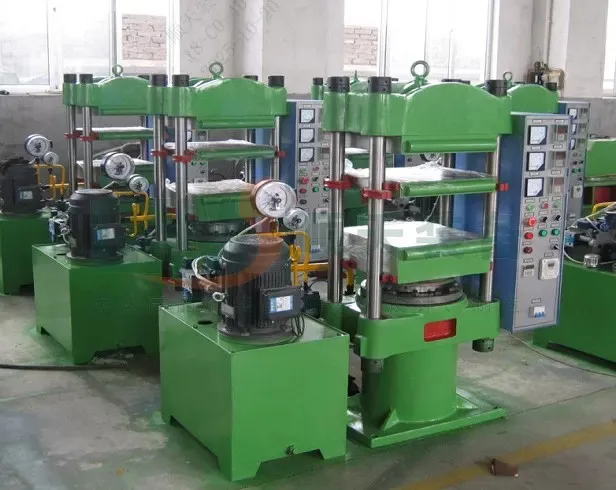
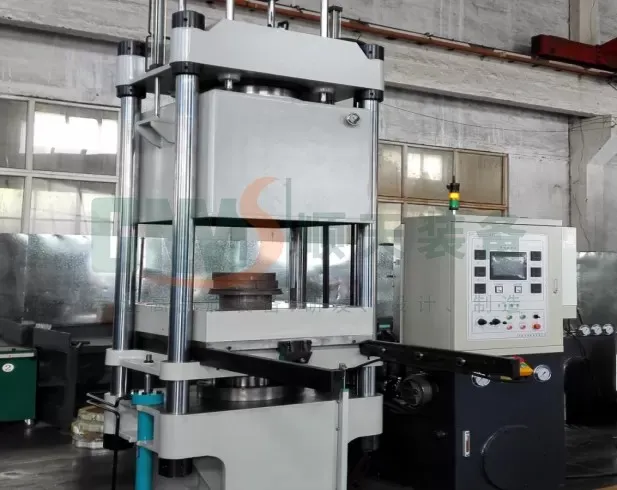
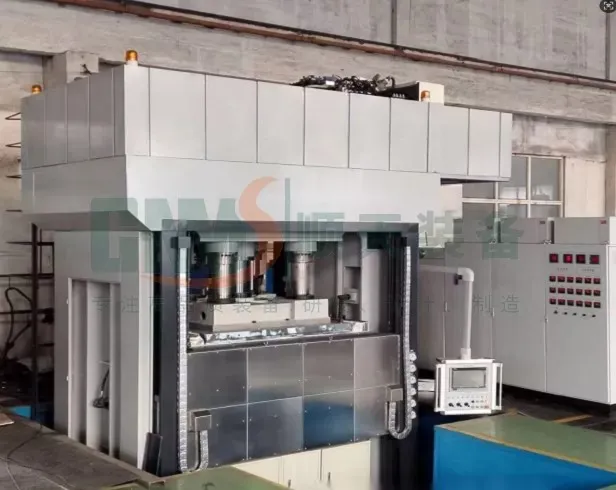
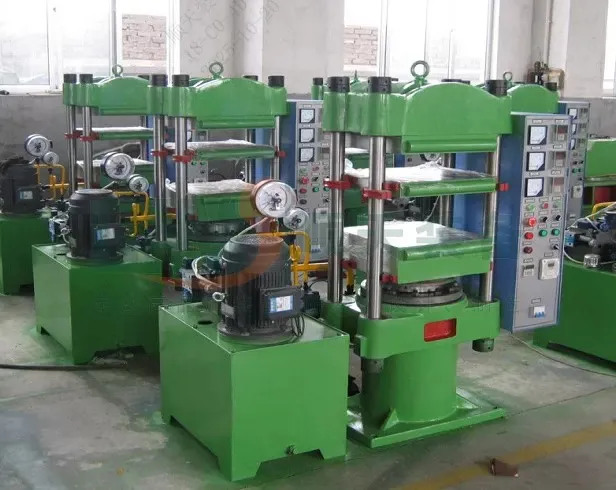
The Hot Press Forming Machine is an advanced piece of equipment used to shape materials such as metals and polymers by applying heat and pressure. This process allows for a high degree of precision in forming parts with complex geometries, which is crucial in industries like automotive manufacturing, where component integrity is essential.
In technical terms, the process integrates thermal and mechanical energy, enabling deformation at elevated temperatures. This creates a favorable environment for materials to exhibit plastic behavior, resulting in increased ductility and reduced tooling exertion. According to recent studies by industry experts, the dimensional accuracy of parts produced using hot press forming can achieve tolerances as tight as ±0.05 mm, making it a reliable option for high-precision applications.
Hot Press Forming Machines are utilized across various industry sectors:
Automotive Industry: They are widely used for producing high-strength components like chassis parts, A and B pillars, and crash-relevant components. The increased strength-to-weight ratio leads to safer and more fuel-efficient vehicles.
Aerospace Sector: Components are often created to withstand extreme conditions, and hot pressing provides both the strength and lightweight characteristics recognized as essential in air travel.
Consumer Electronics: In this rapidly evolving field, manufacturers use hot pressing to create durable enclosures and components that must endure both aesthetic and functional demands.
Construction Materials: Hot-pressed products, such as engineered wood panels, achieve superior strength and uniformity, addressing common defects in traditional materials.
The importance of the Hot Press Forming Machine lies in its numerous advantages:
Efficiency: It reduces cycle times dramatically. Industry reports show that production times can decrease by up to 40% compared to traditional forming methods.
Material Efficiency: The technology minimizes waste; for instance, studies indicate a reduction in scrap rates by as much as 30% in high-volume scenarios.
Enhanced Properties: Parts produced have superior mechanical properties due to the combination of heat and pressure. Tests demonstrate that materials achieve at least a 20% increase in tensile strength.
Given these benefits, the Hot Press Forming Machine is not just a trend but a necessity in achieving quality and efficiency in production.
To make the most of your Hot Press Forming Machine, consider reading the user guide thoroughly to understand the operational parameters and troubleshooting tips. Familiarize yourself with common defects in MEA hot pressing and how to resolve them effectively using the machine's capabilities.
For further understanding or trial opportunities, examine products from brands like Shuntian, which are leading the industry with innovative hot pressing solutions.
1. What types of materials can be processed using a Hot Press Forming Machine?
The machine is capable of processing a range of materials, including various metals, thermoplastics, and composite materials.
2. How does hot pressing improve product quality?
The heat and pressure applied during the process alter the material properties, yielding improved tensile strength and ductility.
3. What are some common defects in hot pressing, and how can they be overcome?
Common defects include uneven thickness and delamination. These can often be mitigated through precise temperature and pressure control, as well as proper material selection.
By understanding the Hot Press Forming Machine's significance in industrial applications, users can make informed decisions that enhance their manufacturing processes, ensuring they remain competitive in a challenging market.


 中文
中文