July 13, 2026
Graphite bipolar plates play a crucial role in the efficiency of fuel cells, particularly in hydrogen fuel cell technology. With the growing demand for clean energy solutions and the push for renewable energy sources, Graphite Bipolar Plate Production has emerged as a critical process in the manufacturing sector. Fuel cells convert chemical energy into electrical energy, and the ability to efficiently produce graphite bipolar plates can significantly impact the overall performance of fuel cells. This article delves into the pain points associated with the Graphite Bipolar Plate Production process, exploring common defects and their implications in various applications.
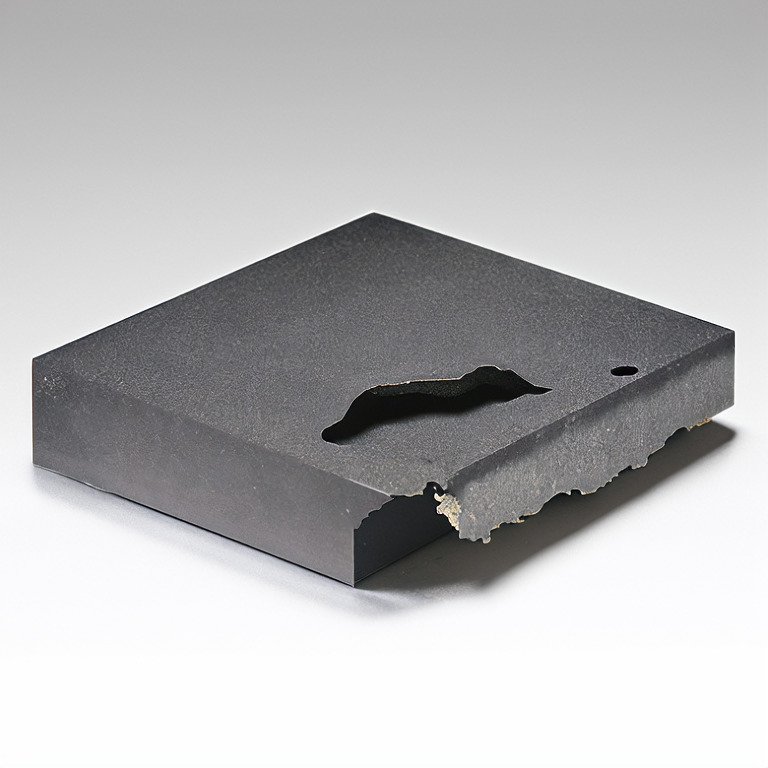
Graphite bipolar plates serve as the backbone of fuel cell systems, acting as both a conductor of electricity and a separator of reactants. These plates must meet strict industry standards to ensure durability and efficiency. Common defects in Graphite Bipolar Plate Production, such as uneven thickness, cracks, or poor electrical conductivity, can lead to decreased performance and higher operational costs.
The industry refers to several key terms when discussing graphite bipolar plates, including:
Graphite bipolar plates are primarily used in the automotive and energy sectors, especially in fuel cell electric vehicles (FCEVs). The global push towards sustainable transportation has created a burgeoning market for efficient energy sources, which directly correlates with the demand for high-quality graphite bipolar plates. According to a report by Research and Markets, the growth rate of the commercial fuel cell market is expected to rise by approximately 25% annually through 2025, showcasing the expanding need for reliable components like graphite bipolar plates.
The importance of graphite bipolar plates lies in their ability to enhance fuel cell performance. Unlike alternatives such as metal plates, graphite offers several advantages:
These features not only improve the function of fuel cells but also contribute to making the overall production process more sustainable.
Understanding the fundamentals of Graphite Bipolar Plate Production is the first step towards optimizing its application in the fuel cell industry. We recommend checking user guides and industry reports, such as those available on the Shuntian brand website, to gain deeper insights into production methods and standards.
What common defects emerge during Graphite Bipolar Plate Production?
Why are graphite bipolar plates preferred over metal plates?
What industries utilize graphite bipolar plates?
How can I learn more about high-quality graphite bipolar plate manufacturers?
By enhancing your understanding of Graphite Bipolar Plate Production, you can play a pivotal role in advancing clean energy technology and making informed decisions in this rapidly evolving industry.


 中文
中文