June 04, 2026
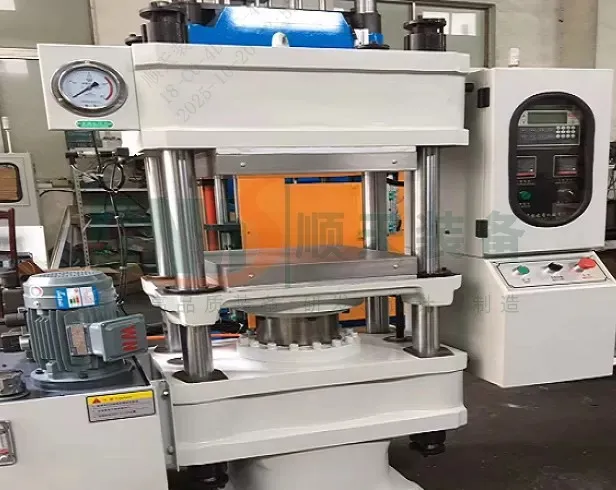
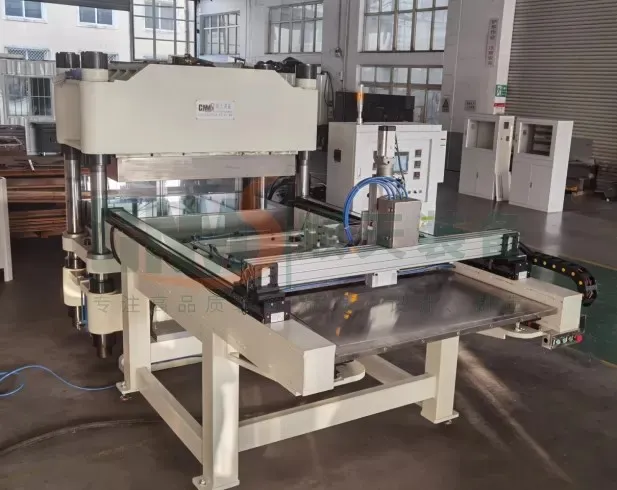
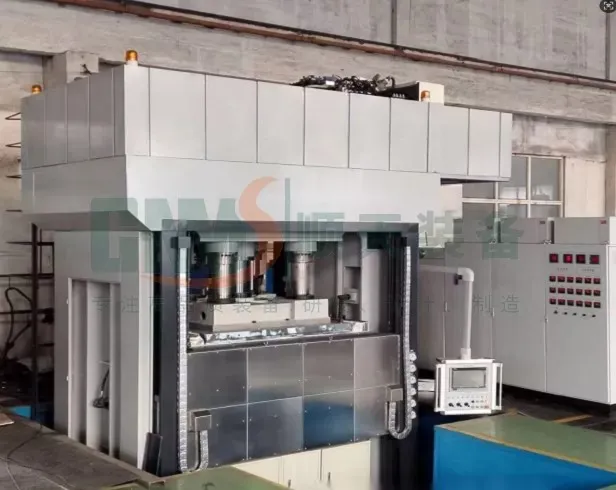
The Membrane Electrode Assembly (MEA) is a critical component in fuel cells, playing a significant role in energy conversion efficiency. MEA forming involves precise pressure and temperature settings to ensure optimal performance and durability. For businesses in the fuel cell sector, understanding these parameters not only enhances product reliability but also drives down production costs, making the choice of the right tools and techniques, such as those provided by Shuntian Fuel Cell Equipment, essential for success.
Emerging in the 1960s during the early advancements of hydrogen technology, the use of MEAs has evolved dramatically. Initially, the focus was primarily on improving energy density and decreasing cost. Today, as global demand for renewable energy solutions rises, the MEA production process prioritizes not only cost but also the precision of forming conditions. This ensures that the resultant fuel cells meet strict industry standards, including ASTM and DIN, which are critical in guaranteeing the longevity and efficacy of fuel cell systems.
In practical applications, the ideal pressure and temperature parameters for MEA forming enhance the mechanical properties of the assembly, ultimately affecting the fuel cell's performance. These parameters directly influence factors such as proton conductivity, gas permeability, and chemical stability—all vital for efficient operation. For instance, operating at temperatures around 80°C with pressures between 1 to 3 bar has been shown to yield optimal results, enabling manufacturers to produce MEAs that have a higher flow capacity and better durability.
Despite the established best practices, there remain common misconceptions regarding MEA forming. One prevalent error is the belief that higher temperatures universally enhance performance. In reality, exceeding optimal temperature ranges can lead to membrane dehydration and structural degradation. Additionally, many new practitioners underestimate the importance of uniform pressure application; inconsistent pressure can lead to defects in the electrodes, significantly impacting the assembly's overall function.
To provide clarity, consider a case study involving a leading automotive manufacturer employing Shuntian Fuel Cell Equipment. The company achieved a remarkable 100% inspection rate of its MEAs by adhering closely to the identified pressure and temperature parameters, resulting in a notable decrease in fuel cell failure rates—reducing warranty claims by 30% year-over-year. Their commitment to these precise parameters not only bolstered their reputation in the industry but also translated into significant operational cost savings.
In summary, the best pressure and temperature parameters for MEA forming are not merely technical details but critical factors that can significantly influence the success of fuel cell applications. For organizations leveraging Shuntian Fuel Cell Equipment, understanding and implementing these conditions can enhance performance, ensure compliance with stringent industry standards, and lead to greater market competitiveness. As you dive deeper into the intricacies of MEA forming, consider the power of precision in unlocking your solutions in fuel cell technology.


 中文
中文