July 07, 2026
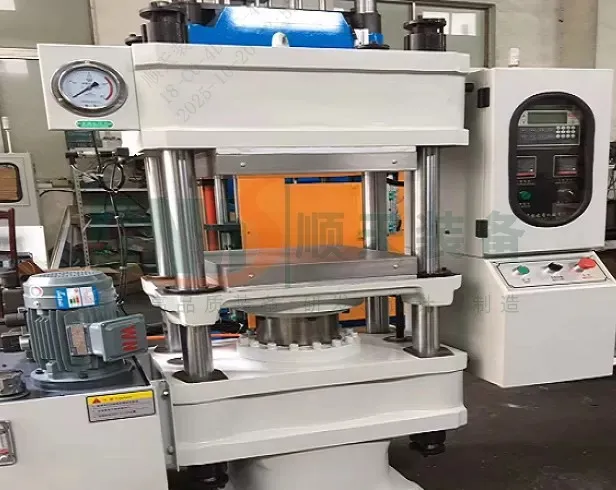
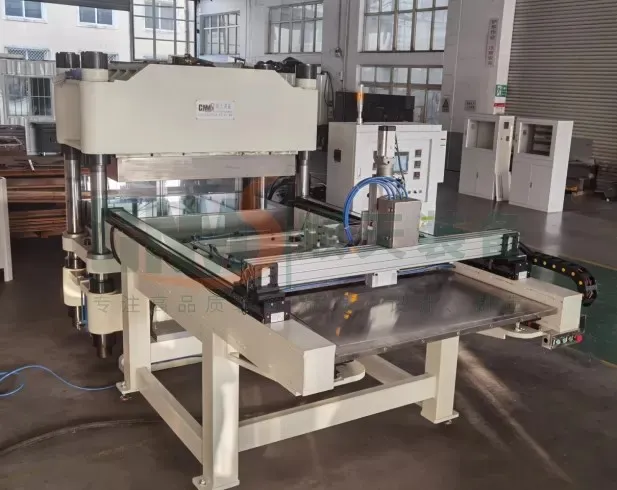
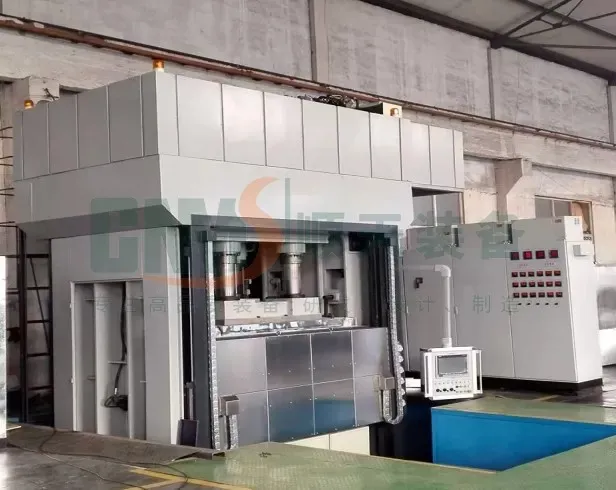
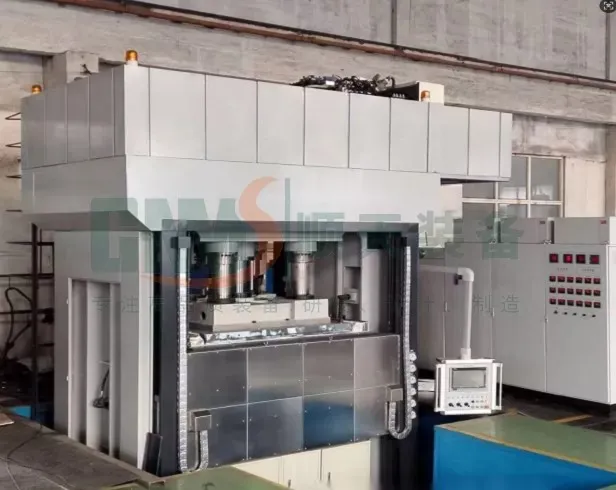
Understanding the automation level's impact on fuel cell manufacturing cost is crucial for businesses engaging in the hydrogen economy. Simply put, automation refers to the use of technology to perform tasks without human intervention. In the context of fuel cell manufacturing, this means employing machinery and software solutions to streamline production, enhance precision, and reduce costs. Companies like Shuntian are leveraging automation to improve their hydrogen machines, which play a significant role in the supply chain, particularly in making cleaner energy more economical.
Automation in manufacturing has evolved alongside advancements in technology. Initially, manual processes dominated the fuel cell industry, leading to high production costs and inefficiencies. However, as automation technologies progressed from basic machinery to sophisticated robotics and AI-driven solutions, manufacturers began to witness a drastic reduction in operational costs and an improvement in product quality. The rollout of Industry 4.0 concepts—integrating IoT, machine learning, and big data—has allowed companies to optimize not just their production lines but their entire manufacturing strategy.
The practical importance of automation in fuel cell manufacturing cannot be overstated. Automated systems can achieve precision to as little as 0.01mm in component manufacturing, which is essential for the efficiency and performance of hydrogen machines. Further, 100% inspection capabilities ensure that every part meets stringent quality standards, such as ASTM and DIN regulations, thus reducing waste and rework. By adopting advanced automation, manufacturers can significantly lower their production costs, improve consistency, and accelerate time to market—all vital factors in enhancing profitability and maintaining competitive advantage in the burgeoning hydrogen market.
Despite the clear benefits, some common misconceptions surround the notion of automation in manufacturing. Many believe that automation leads to job losses; however, this is a narrow perspective. While it is true that automation can reduce the need for certain manual tasks, it also creates opportunities for skilled labor in programming, maintenance, and oversight roles. Another misconception is the assumption that automation is prohibitively expensive. In reality, the initial investment is often offset by the long-term savings on labor, material waste, and enhanced production speed. Implementing automation can, therefore, not only reduce costs but also produce a higher-quality hydrogen machine, appealing to a broader market.
To illustrate the impact of automation, consider Shuntian's recent shift to a fully automated manufacturing system. By integrating robotics into their production lines, Shuntian reported a 30% reduction in labor costs alongside increases in output efficiency. This transition enabled them to produce hydrogen machines faster and at lower costs, positioning them as a leading figure in the industry. Additionally, these improvements in throughput and quality have attracted more customers, significantly increasing their market share.
In summary, the automation level's impact on fuel cell manufacturing cost is profound, presenting a pathway for businesses to harness efficiency and drive down expenses. Companies like Shuntian exemplify how adopting advanced automation solutions can lead to significant financial benefits while ensuring high-quality standards are maintained. As the hydrogen economy continues to expand, exploring further into automation solutions not only positions a business for success today but also prepares it for future challenges. To learn more about the advantages of automating your production lines and how it can benefit your hydrogen machine innovation, reach out to experts in the field and consider an evaluation of your existing systems today.


 中文
中文