January 14, 2026
An automated flow battery stack assembly line is a highly specialized manufacturing system engineered for the high-precision, high-efficiency assembly of battery stacks. As the energy storage industry rapidly scales, such production lines have become essential infrastructure for ensuring product uniformity, enhancing throughput, and guaranteeing consistent quality.
I. Production Line Overview: From Materials to Finished Product
Far more than a simple arrangement of equipment, a complete automated assembly line represents an integrated digital manufacturing unit, combining precision mechanics, intelligent sensing, process control, and information management.
Key subsystems include:
●Material Pre‑processing System: Manages the automatic feeding, cleaning, and preparation of all core components—such as bipolar plates (including thermal‑fusion or welding inspection), end plates, insulation plates, current collectors, membranes, and sealing gaskets.
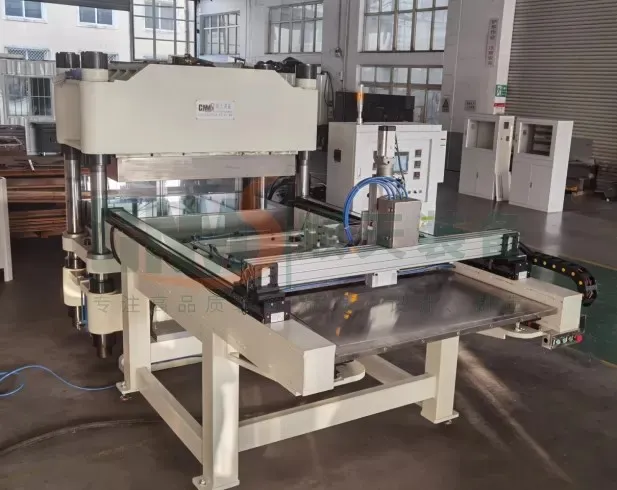
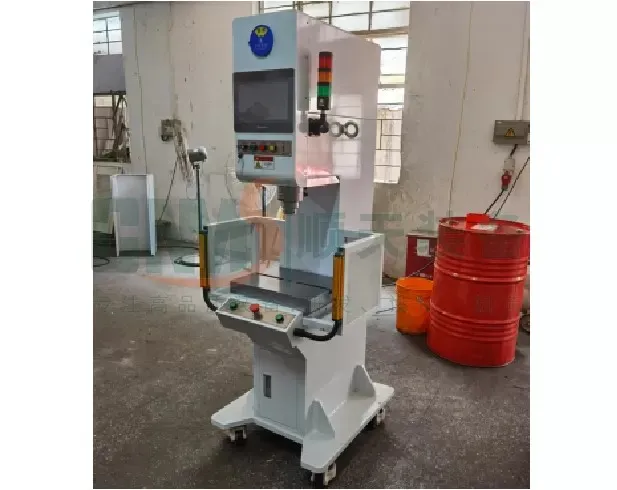
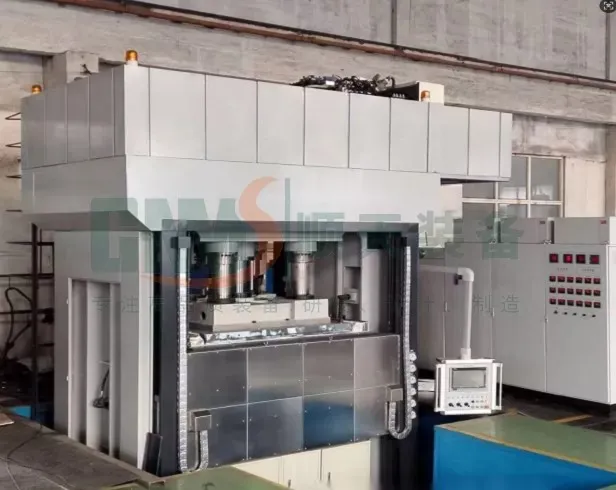
●Core Assembly Stations: Comprise the automatic stack‑layering system, servo‑hydraulic pressing station, rotary indexing tables, lift‑and‑convey units, and stack‑inversion mechanisms, all synchronized to handle and position components with precision.
●Intelligent Control System: Centered on a stack‑recipe management system, which acts as the line's "brain," calling up assembly instructions and parameters for different stack models and orchestrating the operation of all hardware.

II. Core Workflow: Integrating Automation and Intelligence
The line is designed to execute a closed‑loop, high‑precision process encompassing automatic dispensing, membrane placement, stacking, and inspection.
1. Precision Stacking
Guided by the recipe system, robotic arms or precision servo‑driven pick‑and‑place units retrieve components from dedicated magazines (e.g., upper/lower plate positioning systems). They then assemble them in a strict sequence—end plate, gasket, bipolar plate, membrane, etc.—with millimeter accuracy. At critical stations, CCD vision systems perform real‑time image comparisons to verify component alignment and adhesive‑bead quality.
2. Integrated Compression
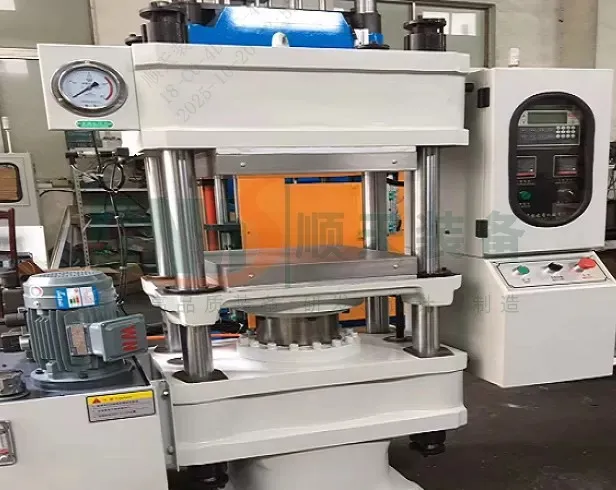
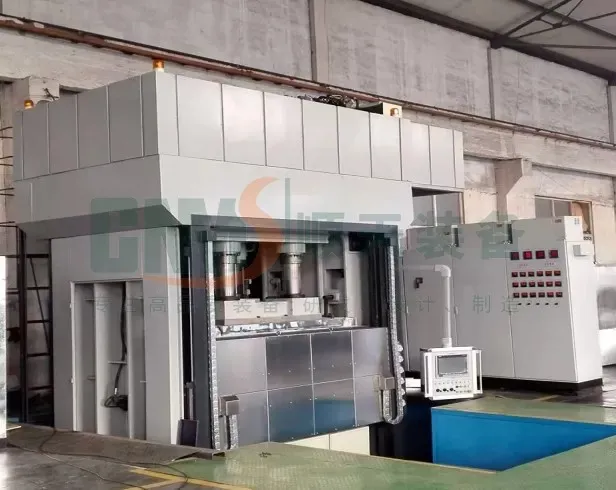
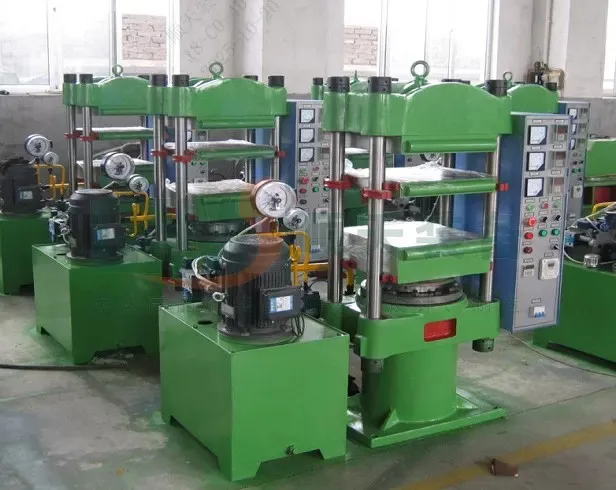
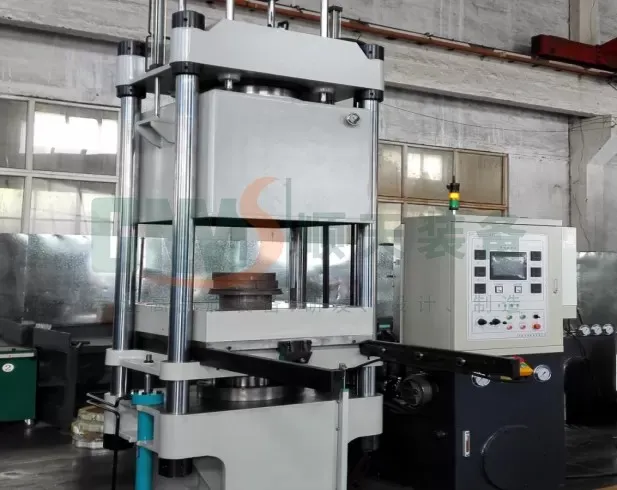
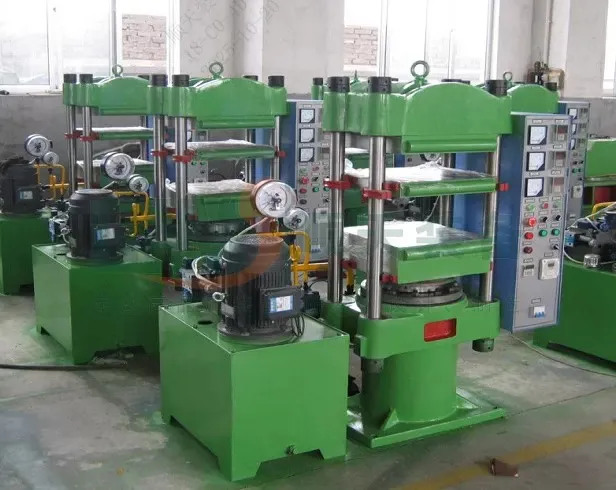
The assembled stack is transferred to a hydraulic press station. A boost pump drives the press to apply a predefined, uniform pressure, optimizing internal contact. The process is monitored in real time for temperature and pressure consistency, ensuring process stability.
Subsequently, the stack enters a spring‑compression stage, where constant‑force spring sets are installed. This step is critical for counteracting pressure loss due to material creep during long‑term operation, thereby extending stack service life.
3. Reliable Fastening and Sealing
A fully automatic bolt‑tightening station ensures highly consistent torque across all fasteners, eliminating variability inherent in manual tightening.
After fastening, the stack undergoes leak‑tightness testing. Using precision leak detectors, this final quality gate verifies that the stack meets all sealing specifications, guaranteeing a leak‑free product and underpinning long‑term reliability.
4. Data‑Driven Output
Stacks that pass all tests proceed to palletizing. Each unit receives a unique identifier, and its complete production data—stacking parameters, compression profiles, test results—is automatically uploaded to the Manufacturing Execution System (MES). This enables full traceability and provides a comprehensive data foundation for quality analysis and process optimization.

III. The Value Proposition: Beyond Mere Assembly
Such an automated line delivers comprehensive benefits:
●Unmatched Consistency: Automated processes eliminate human variation, ensuring every stack meets identical performance standards.
●Complete Traceability: End‑to‑end data capture allows full visibility and tracking of product quality from raw material to finished stack.
●Higher Throughput: Streamlined, continuous operation increases production rates, meeting the volume demands of large‑scale energy storage deployment.
●Lower Lifecycle Cost: Improved yield, reduced labor, and optimized processes collectively reduce the total cost of ownership for the battery stacks.
The automated flow battery stack assembly line exemplifies the application of advanced intelligent manufacturing in the energy storage sector. It does not merely assemble components; through precise automation, integrated inspection, and data‑driven control, it transforms materials, processes, and information into stable, reliable energy cores—laying a robust industrial foundation for safe, efficient, large‑scale, long‑duration energy storage systems.


 中文
中文