June 04, 2026
In the manufacturing sector, particularly in the production of composites and advanced materials, the Hot Press Machine has emerged as a pivotal technology. This equipment not only enhances production efficiency but also ensures superior product quality. With the ability to process materials at elevated temperatures and pressures, the Hot Press Machine addresses the significant challenges faced by manufacturers today, such as material consistency, waste reduction, and the need for rapid production cycles. This article delves into the essential aspects of Hot Press Machines, their applications, advantages, and how they can benefit your specific manufacturing needs.
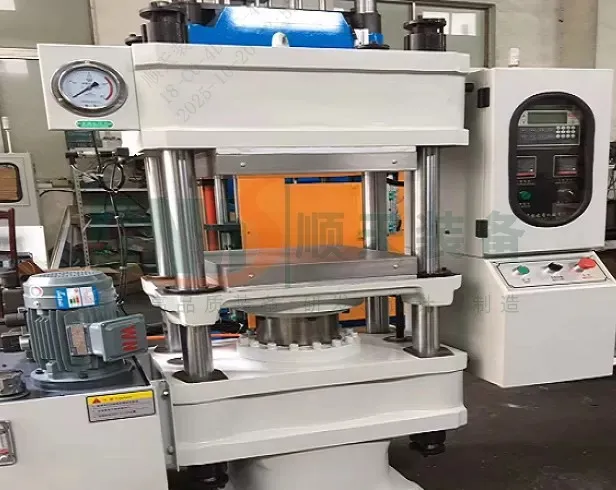
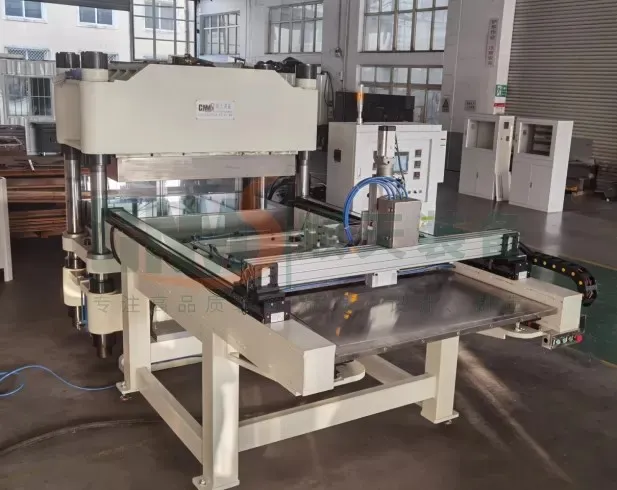
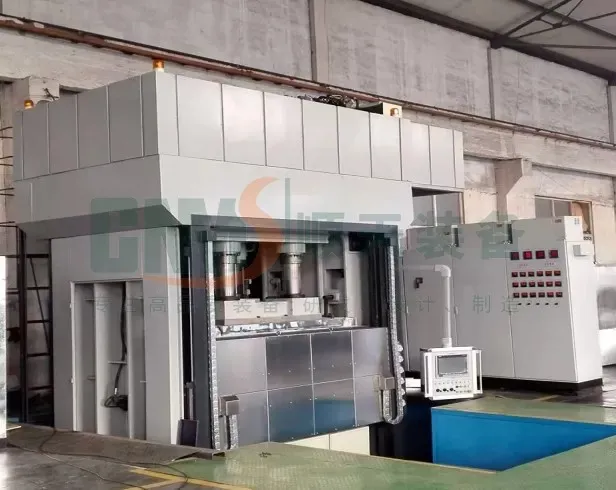
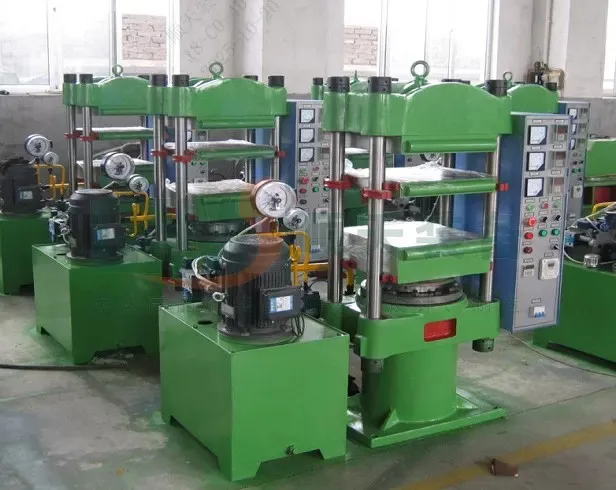
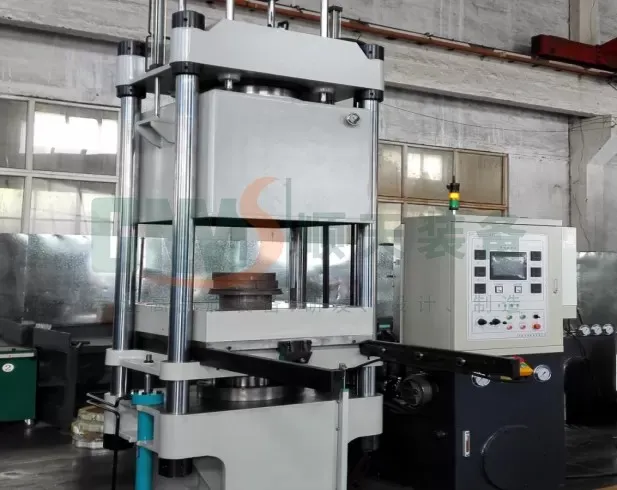
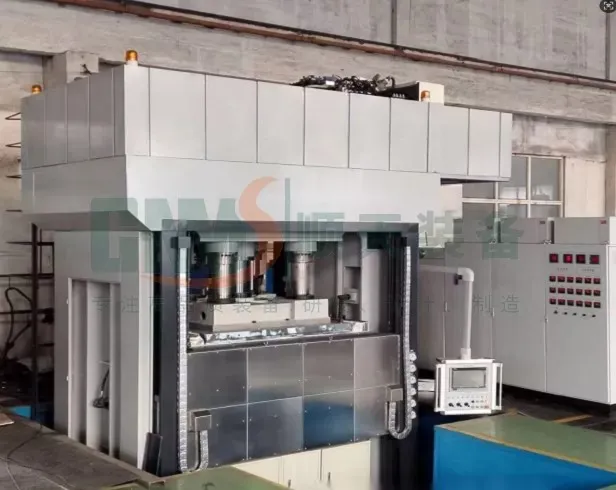
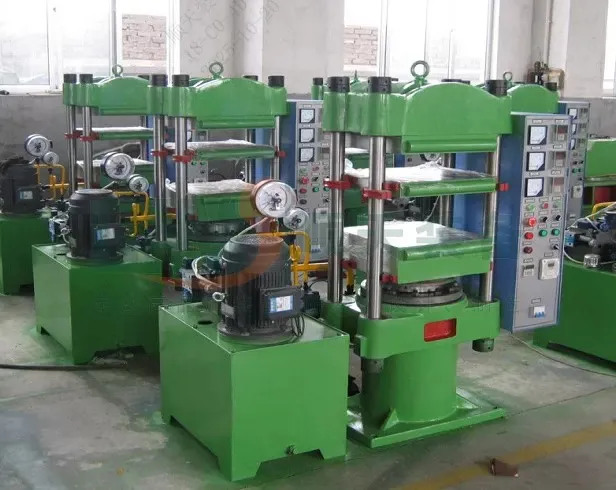
A Hot Press Machine is a type of hydraulic press that utilizes both heat and pressure to bond materials together. In industrial terms, this process is known as thermocompression. The machine usually combines two actions: the controlled application of pressure and the heating of materials to a specific temperature, ensuring optimal material flow and bonding.
Common terms associated with Hot Press Machines include:
Thermoplastic: A type of plastic that becomes moldable above a specific temperature and solidifies upon cooling.
Composite Materials: Materials made from two or more constituent materials with significantly different physical or chemical properties.
Servo Press: A modern variant that offers higher accuracy and efficiency compared to traditional mechanical presses.
Hot Press Machines find their applications across various industries, including:
Aerospace: Producing lightweight components that require high strength-to-weight ratios.
Automotive: Fabricating parts with superior durability for better vehicle performance.
Construction: Manufacturing engineered wood products that require consistent dimensions.
Electronics: Creating circuit boards and components that necessitate high precision.
Each field benefits uniquely from the capabilities of Hot Press Machines, which can cater to varying production requirements, from small batch runs to large-scale manufacturing.
The significance of employing a Hot Press Machine in the manufacturing process lies in its numerous advantages. According to industry studies, using a Hot Press Machine can reduce production time by up to 40%. Here are some essential benefits:
Consistency: The accurate temperature control results in uniform material properties, reducing waste by 25%.
Versatility: Capable of processing a wide range of materials, from composites to thermoplastics, which enhances product diversity.
Cost-efficiency: Not only does it shorten the production cycle time, but it also minimizes energy consumption due to optimized thermal characteristics, potentially lowering operational costs by 30%.
For those considering integrating a Hot Press Machine into your manufacturing process, it’s crucial to understand your specific application needs. Reading the user guide provided by manufacturers such as Shuntian offers valuable insights into proper usage, maintenance, and optimization of this equipment.
1. What types of materials can be processed with a Hot Press Machine?
Hot Press Machines can handle a variety of materials, including thermoplastics, thermosets, and composite materials.
2. How does a Hot Press Machine differ from a traditional mechanical press?
Hot Press Machines utilize both heat and pressure, while mechanical presses typically rely solely on mechanical force. This allows Hot Press Machines to achieve a stronger bond in various materials.
3. What are the maintenance requirements for a Hot Press Machine?
Regular maintenance includes lubrication of moving parts, routine inspection of heating elements, and calibration to ensure optimal performance.
If you are interested in experimenting with a Hot Press Machine, consider reaching out to brands like Shuntian for demonstrations. They provide a hands-on experience, showcasing the technology's capabilities and benefits in real-world applications. Additionally, accessing the latest reports from industry resources such as CoinDesk can keep you updated on technological advancements and market trends.
By exploring the immense potential of the Hot Press Machine, manufacturers can not only solve present challenges but also innovate for the future.


 中文
中文